
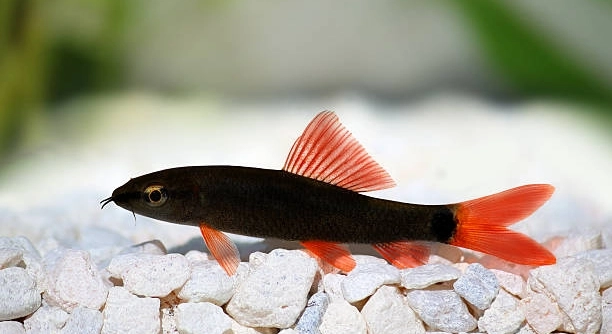
Keeping a rainbow shark in a home aquarium can be rewarding but sometimes challenging. These fish often show territorial behavior that can disrupt tank harmony. Understanding how to manage this behavior helps create a peaceful environment for all your aquatic pets.
Territorial behavior in rainbow sharks can be reduced through proper tank size, providing plenty of hiding spots, and carefully choosing tank mates. Regular maintenance and a balanced diet also support calmer fish and minimize aggressive interactions.
Learning these tips will help improve your fish’s well-being and promote a more balanced aquarium community.
Providing Enough Space for Your Rainbow Shark
A spacious tank is essential for reducing territorial behavior in rainbow sharks. These fish naturally roam large areas in their habitat, so a small tank can make them feel cramped and stressed. When they feel confined, they are more likely to become aggressive toward other fish. Ideally, a tank should be at least 30 gallons for a single rainbow shark. Adding more space allows the fish to swim freely and avoid constant encounters with others. This helps lower stress and aggression. Also, a bigger tank means you can create distinct zones with decorations or plants, which helps the fish claim their own areas. The extra room encourages healthier behavior and less fighting. Avoid overcrowding, as too many fish will increase competition for space and resources. Providing enough swimming room supports their natural instincts and keeps your tank peaceful.
A roomy tank reduces tension and makes rainbow sharks less aggressive overall. Space is a key factor in fish behavior.
Creating zones with plants or rocks gives each fish a personal space. This helps prevent conflicts by making boundaries clear, so your rainbow shark feels secure without having to fight.
Introducing Tank Mates Carefully
Choosing the right tank mates is critical to maintaining peace in your aquarium. Rainbow sharks can be territorial but usually tolerate other fish if they are not too similar or aggressive. Avoid housing them with fish that have the same body shape or color because this can trigger fights over territory. Instead, select peaceful species that occupy different tank levels or swim patterns. Fish like danios, tetras, or bottom dwellers like corydoras often coexist well with rainbow sharks. Introduce new fish slowly and monitor their interactions to prevent stress or aggression. When tank mates get along, the whole aquarium environment becomes calmer.
Tank mate selection can influence how territorial your rainbow shark behaves. Choosing compatible species helps keep the peace.
Careful selection of companions helps rainbow sharks feel less threatened. Fish with different habits and space needs avoid unnecessary competition. Introducing new fish gradually gives everyone time to adjust, reducing the chance of territorial disputes. With patience and observation, you can create a community where your rainbow shark shares the space comfortably.
Adding Plenty of Hiding Spots
Providing hiding places helps rainbow sharks feel safe and reduces territorial fights. Plants, caves, and decorations create spaces where fish can retreat and rest without stress.
Hiding spots break the tank into smaller territories. This reduces direct confrontations by allowing rainbow sharks to claim their own space without constant challenges. Using natural decorations like driftwood or dense plants works well. These areas give shy or stressed fish places to escape aggressive behavior. Without enough hiding spots, territorial disputes increase because fish feel exposed and threatened. It’s important to arrange these spaces thoughtfully to avoid overcrowding one side of the tank. Balanced placement lets all fish access shelters evenly, creating a peaceful atmosphere. Hiding spots also make the environment more natural and interesting for your rainbow shark.
When rainbow sharks feel secure in their environment, they are calmer and less likely to display aggression. It also encourages healthier behaviors like exploring and resting, which supports overall tank harmony.
Maintaining Clean Water and Stable Conditions
Clean, stable water conditions reduce stress, which helps keep territorial behavior in check. Regular water changes and monitoring parameters are essential for a healthy aquarium.
Water quality affects fish health and mood. Poor water conditions cause discomfort, making rainbow sharks more aggressive. Maintaining ideal temperature, pH, and ammonia levels supports calm behavior. Frequent partial water changes remove toxins and waste that build up quickly. Using a good filtration system also helps maintain clarity and oxygen levels. Consistency in tank conditions prevents sudden stress triggers. Avoid overcrowding, which worsens water quality and fish stress. Keeping the environment stable and clean promotes natural, less aggressive behavior. A calm fish is less likely to defend territory aggressively, resulting in a more peaceful tank overall.
Feeding a Balanced Diet
Feeding your rainbow shark a balanced diet helps reduce aggression. Well-fed fish are less likely to compete over food and territory.
Offering a variety of foods like pellets, flakes, and occasional live or frozen treats keeps your fish healthy and satisfied. Hunger can increase territorial behavior, so regular meals are important.
Avoiding Overcrowding
Overcrowding creates stress and competition, which often leads to more aggressive behavior. Keep your tank population appropriate for its size to maintain peace.
Monitoring Behavior Regularly
Watch your rainbow shark’s behavior closely. Early signs of aggression or stress allow you to act before problems worsen. Adjusting tank conditions or separating fish when needed helps keep the environment calm.
Using Visual Barriers
Adding visual barriers like plants or decorations reduces direct line of sight between fish. This can help minimize territorial disputes and promote peace in the tank.
FAQ
Why does my rainbow shark act territorial?
Rainbow sharks are naturally territorial fish. In the wild, they claim specific areas to find food and shelter. In a home aquarium, limited space can make them feel crowded and threatened, causing them to defend their territory aggressively. This behavior helps them survive but can create conflicts in a tank.
How can I tell if my rainbow shark is too aggressive?
Signs of aggression include chasing other fish, nipping fins, and guarding specific areas intensely. You might notice damaged fins on tank mates or your rainbow shark acting restless. These behaviors indicate stress or discomfort and often mean the tank environment needs adjustments.
What tank size is best to reduce territorial behavior?
A tank of at least 30 gallons is recommended for a single rainbow shark. Larger tanks help reduce conflicts by providing more space to swim and establish territories. Bigger tanks also allow for better decoration and hiding spots, which decrease aggression.
Can I keep more than one rainbow shark together?
Keeping multiple rainbow sharks in the same tank can be challenging due to their territorial nature. If you want more than one, ensure the tank is very large—50 gallons or more—and has plenty of hiding spots and decorations to separate territories. Close monitoring is essential to prevent fights.
What tank mates work well with rainbow sharks?
Peaceful fish that swim in different parts of the tank, such as tetras, danios, or corydoras catfish, usually coexist well. Avoid fish that look similar or have aggressive tendencies, as this can trigger territorial fights. Tank mates should be hardy and able to tolerate similar water conditions.
How often should I clean the tank to keep my rainbow shark calm?
Regular water changes, about 25% weekly, help maintain water quality and reduce stress. Clean water keeps fish healthy and less prone to aggression. Make sure the filter is working well and check water parameters regularly to ensure stability.
Does diet affect territorial behavior?
Yes, a well-balanced diet reduces stress and aggression. Hungry fish may compete more aggressively for food. Feed your rainbow shark a mix of pellets, flakes, and occasional live or frozen foods to keep it satisfied and healthy.
What decorations help reduce territorial behavior?
Use plants, caves, rocks, and driftwood to create hiding spots and break up the tank into smaller zones. These barriers help fish establish their own space and reduce direct conflicts. Avoid overcrowding decorations to keep swimming space open.
Can changing water temperature affect behavior?
Sudden or extreme changes in water temperature can stress fish and increase aggression. Keep the temperature stable, ideally between 72–79°F (22–26°C). Using a reliable heater and thermometer helps maintain a consistent environment.
Should I separate aggressive fish?
If aggression becomes severe and threatens the health of other fish, separating the aggressive individual may be necessary. Use a separate tank or a divider to keep the fish apart until they calm down. This prevents injury and stress in your main tank.
How long does it take for territorial behavior to decrease?
Behavior changes depend on tank size, setup, and fish personalities. With proper care, aggression may decrease in a few weeks as fish adjust to their environment. Patience and consistent maintenance are key to long-term peace.
Is it normal for rainbow sharks to chase other fish?
Some chasing is normal because rainbow sharks are naturally active and territorial. However, excessive chasing that injures other fish or causes stress should be addressed by improving tank conditions or adding more hiding spots.
Can lighting affect territorial behavior?
Bright lighting can make fish more visible and increase stress. Providing shaded areas with plants or decorations allows fish to retreat from intense light. Adjusting lighting to a moderate level supports calmer behavior.
Do rainbow sharks need companions?
Rainbow sharks can live alone but benefit from compatible tank mates to reduce boredom and aggression. However, too many fish or incompatible species increase stress. Balance is important to create a peaceful community tank.
What is the best way to introduce new fish to the tank?
Introduce new fish slowly, ideally quarantining them first to avoid disease. Add new fish during feeding times to distract the rainbow shark. Monitor interactions closely to catch any signs of aggression early.
How important is water flow for rainbow sharks?
Moderate water flow mimics their natural environment and keeps the tank healthy. Too strong a current can stress fish, while too little flow can reduce oxygen levels. Adjust your filter or add a powerhead to create gentle circulation.
Are there signs my rainbow shark is stressed besides aggression?
Stressed fish may hide more, lose color, or refuse food. They might also stay still at the bottom or gasp at the surface. These signs show that the tank environment or water quality needs attention.
What should I do if my rainbow shark is constantly hiding?
Hiding often can mean stress or illness. Check water parameters and tank setup first. Ensure there are enough hiding spots but also open swimming areas. If hiding continues, consider consulting a vet experienced with fish.
Can overfeeding cause aggression?
Overfeeding can harm water quality, increasing stress and aggression indirectly. Feed small amounts once or twice daily and remove uneaten food. Clean water helps keep behavior calm and fish healthy.
Is it okay to rearrange the tank decorations?
Rearranging decorations occasionally can help reset territories and reduce fighting. Do this carefully and not too often to avoid stressing the fish. Gradual changes give fish time to adapt to new boundaries.
How do I know if my rainbow shark is happy?
A calm, active rainbow shark that eats well and explores its tank usually indicates good health and comfort. Bright colors and smooth swimming also suggest your fish is content with its environment.
Maintaining a peaceful aquarium with a rainbow shark takes some effort but is definitely doable. Understanding the natural behavior of these fish helps a lot. Rainbow sharks tend to be territorial because of their instincts, but by giving them enough space and proper tank conditions, you can reduce most of the aggressive behavior. It’s important to remember that these fish need room to swim freely and places where they can hide or feel safe. When these needs are met, they are calmer and less likely to cause trouble with other fish in the tank.
Setting up your tank thoughtfully plays a big role in how your rainbow shark behaves. Choosing the right tank size is a good first step. A tank that is too small will stress the fish and lead to more fighting. Adding decorations like plants, caves, and rocks not only makes the tank look nicer but also helps create separate areas for your fish. This division lowers tension because the fish do not have to compete for every inch of space. It is also important to pick peaceful tank mates that are different in shape or swimming level, so they do not feel threatened or confused by your rainbow shark.
Keeping the water clean and stable also helps reduce territorial behavior. Poor water quality can make fish uncomfortable and more aggressive. Doing regular water changes, checking water parameters, and maintaining a good filter system keeps your tank healthy. Feeding your rainbow shark a balanced diet prevents hunger-driven aggression. Watching your fish regularly for signs of stress or fighting allows you to take action early before things get worse. With patience and care, you can create a calm environment where your rainbow shark and its tank mates live comfortably together.

Hello,
If you enjoy the content that we create, please consider saying a "Thank You!" by leaving a tip.
Every little bit helps us continue crafting quality advice that supports the health, happiness, and well-being of pets around the world, for pets of all shapes, sizes, and species.
We really appreciate the kindness and support that you show us!