
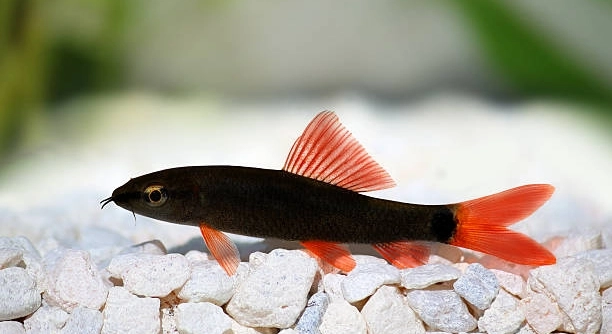
Rainbow sharks are popular aquarium fish known for their vibrant colors and active swimming. Sometimes, they can show signs of aggression that may worry fish owners. Understanding what causes this behavior is important for keeping a peaceful tank environment.
Aggression in rainbow sharks often results from territorial disputes, overcrowding, or lack of hiding spaces. Ensuring proper tank size, maintaining compatible tank mates, and providing adequate shelter can reduce aggressive behavior effectively. Monitoring water quality and diet also plays a critical role.
Learning how to manage your rainbow shark’s aggression will help maintain harmony in your aquarium and promote the well-being of all your fish. The following tips offer practical ways to address this common issue.
Provide Adequate Tank Space
Rainbow sharks need enough room to swim and claim their territory. A small tank can increase stress and aggression because the fish feel cramped and threatened by others nearby. A minimum of 40 gallons is recommended for a single rainbow shark, with larger tanks required if you have more fish. Make sure the tank has plenty of open swimming space along with hiding spots created by plants, rocks, or decorations. This balance helps the shark feel secure without feeling boxed in. When space is limited, territorial behavior tends to rise, leading to more aggressive displays or chasing. It’s important to plan your aquarium size carefully before adding a rainbow shark. This step can prevent many problems and keep your fish calmer.
Keeping the tank clean and maintaining good water quality is also essential for reducing aggression. Poor water conditions can increase stress levels and cause fish to act out.
A well-sized tank with proper decoration encourages natural behavior and reduces conflicts. It lets your rainbow shark establish its own space peacefully.
Choose Compatible Tank Mates
When adding other fish, it is important to pick species that will not provoke your rainbow shark. Avoid slow-moving or long-finned fish that might attract unwanted attention or cause territorial disputes. Fast swimmers that occupy different parts of the tank tend to do better with rainbow sharks. Species like danios, barbs, or certain catfish can coexist peacefully if the tank is large enough. Avoid overcrowding, as it raises stress and aggression in all fish. Introducing new fish gradually also helps your rainbow shark adjust to changes without becoming hostile. Observing behavior after adding tank mates will let you react early if problems occur.
Compatibility depends on species behavior, tank size, and hiding options. Research and plan before mixing fish.
Properly chosen companions reduce aggression and create a balanced aquarium environment. The right community makes a noticeable difference.
Rainbow sharks are territorial by nature but can live peacefully with others if conditions are suitable. Selecting companions that respect their space prevents constant fighting. The goal is a harmonious tank where each fish has room to thrive. Providing a variety of swimming zones and hiding places helps all fish avoid conflict and stress. Sometimes minor adjustments like rearranging decorations or changing tank mates can improve relationships in the aquarium. Patience and attention to detail are key when managing a mixed-species tank. Knowing which fish naturally get along reduces the risk of injury and allows your rainbow shark to express its natural behavior without aggression.
Maintain Proper Water Conditions
Consistent water quality is vital to keep your rainbow shark calm. Poor water can stress fish and increase aggression.
Test water regularly for ammonia, nitrites, and nitrates. Keep temperature steady between 72°F and 79°F. Perform weekly water changes of 20-30% to remove toxins and replenish minerals. Clean filters often to maintain good circulation and oxygen levels. Proper water conditions support fish health and reduce irritability, helping your rainbow shark stay relaxed and less aggressive.
Stress from fluctuating water parameters can cause erratic behavior. Maintaining a stable environment minimizes discomfort and prevents aggressive outbursts. Regular monitoring and maintenance protect your aquarium’s balance and ensure your rainbow shark’s well-being.
Provide Plenty of Hiding Places
Rainbow sharks need hiding spots to feel secure and reduce stress. Without places to retreat, they can become more aggressive. Use decorations like caves, plants, and driftwood to create safe areas. These spaces help your fish escape confrontations and establish territories peacefully. Hiding places break up sightlines in the tank, reducing constant visual contact with other fish. This can lower aggression levels significantly and create a calmer atmosphere.
Adding a variety of hiding options encourages natural behavior and reduces stress. Consider dense plant clusters and rocks to create complex environments. Rearrange decorations occasionally to keep the tank interesting and help fish adjust. A well-structured habitat benefits all tank inhabitants by offering comfort and security, which limits aggressive encounters. Ensuring your rainbow shark has enough places to hide will improve its overall behavior and tank harmony.
Feed a Balanced Diet
Feeding your rainbow shark properly reduces aggression caused by hunger or competition. Offer a varied diet including pellets, flakes, and occasional live or frozen foods. Avoid overfeeding, which can harm water quality.
Feeding smaller amounts multiple times a day keeps your fish satisfied and less likely to fight over food.
Separate Aggressive Fish if Needed
If aggression continues despite changes, separating the aggressive rainbow shark can protect other fish. Use a divider or move the shark to a quarantine tank temporarily. This helps reduce stress for all fish while you observe behavior. Separation can prevent injuries and allow time to find long-term solutions.
Monitor Behavior Regularly
Keep a close eye on your rainbow shark’s behavior daily. Early signs of aggression include chasing, nipping, or hiding. Monitoring helps catch problems before they escalate. Note any changes after adjusting tank conditions or adding new fish. Staying aware allows you to act quickly and maintain a peaceful aquarium.
Why is my rainbow shark aggressive all of a sudden?
Sudden aggression in a rainbow shark often happens because of changes in its environment. This could be new fish added to the tank, a shift in water temperature, or rearranging decorations. These changes disrupt the fish’s established territory and cause stress. Illness or poor water quality can also make your rainbow shark more irritable. Monitoring water parameters and checking for signs of disease can help identify the cause. If everything else seems normal, the shark might just be defending its space as it grows or adjusts to new tankmates.
Can overcrowding cause aggression in rainbow sharks?
Yes, overcrowding is a common reason for aggressive behavior. Rainbow sharks are territorial and need enough space to establish their own areas. When there are too many fish in a small tank, competition for space increases, leading to chasing and fin-nipping. It is best to keep only one rainbow shark per tank unless the tank is very large. Also, avoid adding fish that require similar territories. Keeping a balanced number of fish helps reduce stress and aggression.
How can I tell if my rainbow shark is stressed?
Signs of stress include hiding more than usual, loss of appetite, rapid breathing, or faded colors. Aggressive actions like chasing other fish or frequent fin-nipping also indicate stress. Stress often results from poor water quality, inadequate tank size, or bullying from tankmates. Regular water testing and observing fish behavior can catch stress early. When you see these signs, it’s important to check tank conditions and make adjustments to improve the environment.
Is it normal for rainbow sharks to chase other fish?
Rainbow sharks do chase other fish sometimes, but frequent or aggressive chasing is a problem. Chasing is part of their territorial behavior but can cause injury or stress to other fish. If chasing is constant, it might mean the tank is too small or lacks enough hiding spots. Providing more space and decorations often reduces this behavior. Sometimes choosing calmer or faster tankmates helps, too.
What kind of tank mates work best with rainbow sharks?
Good tank mates are fast-moving fish that stay in different tank areas. Danios, barbs, and some catfish are often compatible. Avoid slow swimmers or long-finned fish, as they can become targets of aggression. Also, avoid other territorial bottom dwellers. Selecting peaceful but active fish helps create a balanced community where everyone has space.
How often should I clean my tank to reduce aggression?
Cleaning should be done weekly, with water changes of about 20-30%. Regular cleaning keeps harmful chemicals low and supports healthy water parameters. Dirty or polluted water stresses fish, increasing aggression and illness. In addition to water changes, clean filters monthly and remove leftover food or debris daily. A clean tank creates a calm and stable environment for your rainbow shark.
Can rearranging decorations help reduce aggression?
Yes, rearranging tank decorations can break up territories and reduce fighting. When fish become too familiar with the layout, they might defend the same spots aggressively. Changing hiding places and adding new decorations can disrupt established boundaries and lower territorial disputes. However, do this carefully to avoid causing too much stress. Gradual changes are best for your fish’s comfort.
Should I separate an aggressive rainbow shark permanently?
Permanent separation is usually a last resort. It can protect other fish but limits natural behaviors and space for your rainbow shark. Try improving tank size, hiding spots, diet, and tank mates first. If aggression continues despite these steps, separating temporarily or moving the shark to a species-only tank might be necessary. Always monitor closely if you choose to separate fish.
Does diet affect aggression in rainbow sharks?
A poor diet can increase aggression because hungry fish become competitive and stressed. Feeding a balanced diet with pellets, flakes, and occasional live or frozen foods keeps your rainbow shark healthy and satisfied. Avoid overfeeding, as excess food can harm water quality and increase stress. Consistent feeding schedules and quality nutrition reduce irritability and help maintain calm behavior.
How do I know if aggression is causing injury?
Look for torn fins, missing scales, or red marks on your fish. Injuries from aggression can get infected if untreated. If you notice wounds, increase hiding places, check water quality, and consider separating the aggressive fish. Injuries often appear where chasing or nipping occurs. Early treatment and prevention help your fish heal and prevent further harm.
These frequently asked questions address common concerns about rainbow shark aggression. Understanding their behavior and tank needs is essential to keeping a peaceful aquarium. Regular observation and care go a long way in reducing conflicts and promoting healthy interactions among your fish.
When your rainbow shark shows signs of aggression, it can be frustrating to manage. However, understanding the reasons behind this behavior helps a lot. Aggression often comes from natural instincts like defending territory or competition for resources. By providing a proper tank size, compatible tank mates, and plenty of hiding spots, you create an environment that reduces stress and aggressive acts. Maintaining good water quality and feeding a balanced diet also plays a major role. These steps work together to keep your rainbow shark healthy and calmer in its home.
It is important to be patient when dealing with aggression. Sometimes it takes time for your rainbow shark to adjust to changes, like new tankmates or rearranged decorations. Observing your fish regularly allows you to notice early signs of stress or conflict. If problems continue despite your efforts, separating the aggressive fish temporarily might be necessary to protect others. Remember that each aquarium is unique, and what works for one setup may need adjustments in another. Keeping a peaceful aquarium often requires a combination of care, observation, and small changes.
Overall, the key to managing aggression is creating a stable and comfortable environment for your rainbow shark. Meeting their needs for space, hiding places, and proper nutrition helps reduce tension. Avoid overcrowding and choose tank mates wisely to prevent unnecessary conflicts. Regular maintenance and water testing keep the tank conditions optimal. By staying attentive and proactive, you give your rainbow shark the best chance to live peacefully with other fish. This makes your aquarium a more enjoyable and balanced place for all its inhabitants.

Hello,
If you enjoy the content that we create, please consider saying a "Thank You!" by leaving a tip.
Every little bit helps us continue crafting quality advice that supports the health, happiness, and well-being of pets around the world, for pets of all shapes, sizes, and species.
We really appreciate the kindness and support that you show us!