
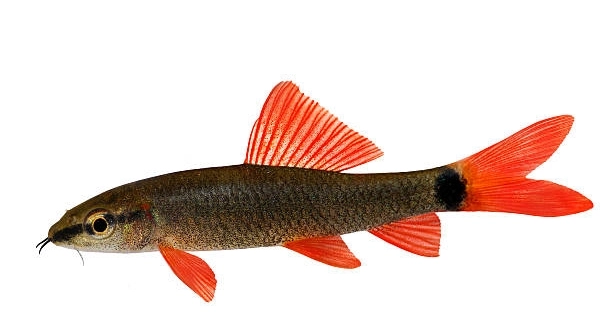
Keeping a rainbow shark healthy starts with understanding its unique feeding needs. Proper nutrition supports its vibrant colors and active behavior. Feeding the right foods in appropriate amounts helps prevent common health problems in this popular aquarium fish.
Proper feeding practices for rainbow sharks involve providing a balanced diet rich in protein and vegetables while avoiding overfeeding. Maintaining consistent feeding schedules and offering suitable food types contribute significantly to the fish’s overall health and longevity.
Following these feeding guidelines will help your rainbow shark thrive and stay vibrant in your aquarium for years to come.
Choosing the Right Food for Your Rainbow Shark
Selecting the proper food is essential for the health of your rainbow shark. These fish are omnivores and need a diet that includes both protein and plant matter. High-quality sinking pellets designed for bottom feeders are a great staple because they reach the shark easily. Supplementing with live or frozen foods like bloodworms and brine shrimp provides protein variety and keeps their diet balanced. Vegetables such as blanched zucchini or spinach also help maintain good digestion. Avoid feeding flakes, as rainbow sharks tend to stay near the tank bottom. Feeding different types of food ensures your fish get the nutrients necessary to stay active and colorful. Feeding small amounts multiple times a day is better than one large feeding to avoid leftover food and water pollution.
Feeding a balanced diet keeps your rainbow shark energetic and healthy over time.
A varied and well-balanced diet not only supports growth but also strengthens the immune system. Offering food that sinks quickly allows the fish to eat naturally near the bottom of the tank, which reduces competition and stress. Including vegetables promotes digestive health, while proteins support muscle development and vibrant coloring. Observing your fish during feeding times helps you adjust the quantity and type of food to meet their needs better.
Avoiding Overfeeding
Overfeeding is a common problem that can harm your rainbow shark’s health.
Too much food leads to water quality issues and can cause obesity in your fish.
Maintaining a consistent feeding schedule and only offering what the fish can consume in a few minutes helps prevent these problems. Excess food decomposes quickly, increasing toxins like ammonia in the tank, which is harmful to all aquatic life. Overweight fish may become less active and more prone to diseases. Regularly clean the tank and monitor your feeding habits to keep the environment safe. Using a feeding ring or measuring food amounts before feeding ensures portion control. Controlling feeding amounts also helps reduce algae growth, as leftover nutrients contribute to its spread. This care helps your rainbow shark remain vibrant and lively.
Feeding Frequency and Timing
Feeding your rainbow shark at the right frequency is crucial for its health.
Feeding small amounts two to three times daily mimics their natural feeding habits and prevents overfeeding. Consistent feeding times help regulate their metabolism and reduce stress, promoting better digestion and growth. Skipping feedings or feeding irregularly can cause aggression or lethargy.
Feeding in the morning and evening is ideal since these fish are most active during these times. Providing food that sinks quickly allows the shark to feed comfortably at the bottom. Avoid feeding late at night to prevent uneaten food from decomposing and harming water quality. Proper timing keeps your fish energetic and healthy.
Monitoring Food Intake and Behavior
Keeping an eye on how much your rainbow shark eats is important to maintain good health.
Watch for changes in appetite or eating habits, as they can indicate stress or illness. If your fish suddenly stops eating or becomes aggressive during feeding, check water conditions and tank mates. Adjust feeding amounts based on activity level and tank size to avoid leftover food.
Observing your fish during feeding helps you notice subtle changes early. A healthy rainbow shark eagerly feeds without hesitation and shows vibrant colors. If food intake decreases, test water parameters for ammonia or nitrite spikes. Regular monitoring helps you intervene before health issues develop, keeping your fish thriving.
Providing Variety in Diet
Offering a variety of foods prevents nutritional deficiencies and keeps your rainbow shark interested in eating.
Mixing pellets, live foods, and vegetables ensures a balanced intake of essential nutrients and mimics their natural diet.
Using Supplements to Boost Health
Supplements like vitamins and minerals can improve your rainbow shark’s immune system and coloration. Adding liquid vitamins to their food or water supports overall vitality and helps prevent common diseases. Use supplements sparingly and follow recommended dosages to avoid harming your fish.
Avoiding Harmful Foods
Certain foods, such as fatty or processed items, can harm your rainbow shark and should be avoided.
Feeding natural, wholesome foods helps maintain digestive health and prevents water pollution from uneaten leftovers.
FAQ
What is the best food for rainbow sharks?
The best food for rainbow sharks includes sinking pellets made specifically for bottom feeders. These pellets provide balanced nutrition and are easy for the fish to eat. Supplementing with live or frozen foods like bloodworms and brine shrimp adds protein variety. Including blanched vegetables such as zucchini or spinach supports digestion and overall health. Avoid flakes since rainbow sharks feed near the tank bottom.
How often should I feed my rainbow shark?
Feeding your rainbow shark two to three times a day in small amounts works well. This frequency mimics their natural feeding habits and prevents overfeeding. Providing food consistently at the same times helps regulate their metabolism and reduces stress.
Can I overfeed my rainbow shark?
Yes, overfeeding is harmful. It leads to excess waste, poor water quality, and can cause obesity. Overfed fish may become less active and more prone to illness. Always feed only what your fish can consume within a few minutes and remove leftover food.
What happens if my rainbow shark doesn’t eat?
If your rainbow shark stops eating, it might be stressed or sick. Check water conditions and tank mates for issues. Poor water quality or aggressive tank mates can reduce appetite. Sometimes, changes in temperature or lighting also affect feeding. Observe your fish closely and test the water regularly.
Is it necessary to provide live food?
Live food is not required but highly beneficial. It adds variety and encourages natural hunting behavior. Live or frozen foods like bloodworms improve protein intake and keep your fish engaged. Always offer live food in moderation alongside pellets and vegetables.
What vegetables are safe for rainbow sharks?
Blanched vegetables like zucchini, spinach, and peas are safe and good for digestion. Vegetables provide fiber and essential nutrients. Always blanch them to soften and avoid any tough parts that could cause choking.
Can I feed rainbow sharks with flakes?
Feeding flakes is not recommended because rainbow sharks feed near the bottom, and flakes tend to float. Flakes often get wasted and pollute the tank, leading to poor water quality. Sinking pellets are better suited for their feeding habits.
Should I use supplements in their diet?
Using supplements can help improve health and coloration. Vitamins and minerals added to food or water boost the immune system and vitality. Use them sparingly and follow the dosage instructions to avoid overdosing, which could harm your fish.
How do I know if I’m feeding enough?
Your fish should eat all the food offered within a few minutes without leftovers. If food remains, reduce the amount next feeding. If your rainbow shark is eager and finishes meals quickly, feeding amounts are likely sufficient. Watch for consistent appetite and healthy behavior.
What are signs of poor nutrition in rainbow sharks?
Signs include faded colors, sluggish movement, weight loss, or bloating. Poor nutrition weakens the immune system, making fish more vulnerable to illness. If these signs appear, review your feeding routine and food quality immediately.
Can feeding impact tank cleanliness?
Yes, uneaten food breaks down and pollutes the water. This can raise ammonia levels, stressing fish and encouraging algae growth. Feeding appropriate amounts and removing leftovers helps keep the tank clean and water healthy.
Is it okay to feed treats?
Occasional treats like live or frozen foods are fine and enrich the diet. Treats should not replace staple foods and be given in moderation. Too many treats can unbalance the diet and cause water quality issues.
How do feeding habits change as the fish grows?
Young rainbow sharks may need smaller, more frequent feedings to support growth. Adult fish usually eat less frequently but still benefit from balanced meals. Adjust the amount based on size, age, and activity level.
Can poor feeding cause aggression?
Improper feeding, especially irregular schedules or insufficient food, can increase aggression. Hungry fish may compete aggressively. Keeping feeding consistent and sufficient reduces this behavior.
What is the ideal feeding environment?
Feed rainbow sharks in a calm tank environment. Avoid feeding near aggressive fish or during stressful times. Use sinking food to allow the shark to feed naturally at the bottom without competition.
How should I handle leftover food?
Remove any leftover food after feeding time to prevent water pollution. Use a siphon or net to clean up uneaten bits. Regular tank maintenance supports healthy water conditions and fish well-being.
Proper feeding plays a vital role in keeping your rainbow shark healthy and vibrant. Feeding the right type of food, in the right amounts, ensures your fish gets the nutrients it needs without harming the tank environment. Rainbow sharks benefit from a balanced diet that includes sinking pellets, live or frozen protein sources, and vegetables. Providing variety in their diet helps prevent nutritional gaps and keeps them interested in their food. Sticking to a regular feeding schedule supports their natural habits and reduces stress, which contributes to overall well-being.
Controlling the amount of food is just as important as choosing the right types. Overfeeding can lead to poor water quality, which is harmful to your fish and other tank inhabitants. Leftover food decomposes quickly, increasing toxins and encouraging algae growth. By feeding only what your rainbow shark can eat in a few minutes, you maintain cleaner water and reduce health risks. Observing your fish during feeding times allows you to notice changes in appetite or behavior that might indicate illness or stress. Early attention to these signs can prevent bigger problems and help your fish live a longer, healthier life.
In summary, careful feeding is essential to the health of your rainbow shark. A well-balanced diet, consistent feeding times, and proper portion control support their growth, coloration, and activity levels. Avoiding harmful foods and including supplements when necessary can further boost their immune system. Regularly monitoring your fish’s eating habits and tank conditions ensures a safe and comfortable environment. With these simple but effective feeding practices, your rainbow shark will remain a beautiful and lively addition to your aquarium for years.

Hello,
If you enjoy the content that we create, please consider saying a "Thank You!" by leaving a tip.
Every little bit helps us continue crafting quality advice that supports the health, happiness, and well-being of pets around the world, for pets of all shapes, sizes, and species.
We really appreciate the kindness and support that you show us!