
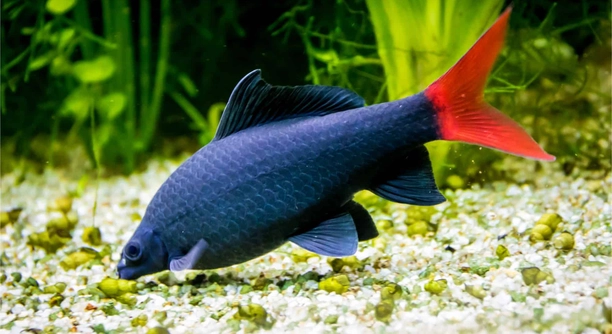
Is your rainbow shark struggling to thrive in a community tank, leaving you concerned about its long-term health and comfort?
The best way to help your rainbow shark stay healthy in a community tank is to manage stress, maintain water quality, and choose peaceful tank mates. These factors greatly impact their behavior, immune system, and overall lifespan.
With the right care and a few small changes, your rainbow shark can thrive peacefully alongside its tank companions.
Maintain Clean and Stable Water Conditions
Rainbow sharks are sensitive to poor water quality, especially when kept in a community tank. Keeping the water clean and stable is essential for their long-term health. Perform regular water changes—at least 25% weekly—and monitor ammonia, nitrite, and nitrate levels closely. Aim to keep ammonia and nitrites at zero and nitrates below 20 ppm. Use a reliable filter that offers both mechanical and biological filtration. A heater is also necessary to maintain a steady temperature between 75°F and 81°F. Avoid sudden temperature or pH changes, as these can stress your rainbow shark. Test the water regularly using a liquid test kit and address any imbalances quickly. Stability is more important than chasing perfect numbers. Good water quality not only prevents diseases but also reduces aggressive behavior, which is common when rainbow sharks are stressed or uncomfortable. A well-maintained tank supports a balanced environment for all fish inside.
Clean water helps prevent stress-related illnesses and keeps your rainbow shark active and alert. Avoid overfeeding and overcrowding to support a healthy tank balance.
Focus on slow, consistent maintenance instead of overcorrecting or cleaning too much at once. Simple habits like wiping down algae or rinsing the filter in tank water make a big difference.
Choose Compatible Tank Mates
Avoid keeping rainbow sharks with other bottom dwellers or similarly shaped fish, as they may become territorial and aggressive.
Community tanks work best when they’re stocked with mid-to-top swimming fish that won’t trigger your rainbow shark’s instincts to chase or defend territory. Ideal companions include barbs, rasboras, danios, and certain tetras. These species are fast, social, and tend to stay out of the shark’s way. Avoid slow or long-finned fish like angelfish or guppies, as they may become targets. Also, refrain from adding other sharks or similarly colored fish, since they can trigger territorial behavior. Monitor your tank’s dynamics regularly. Even with good planning, behavior can change over time as fish mature. Make adjustments if you notice increased aggression or injuries. Rearranging tank décor or creating more hiding spots can help reduce tension and keep fish out of sight when needed. Adding tall plants, driftwood, and rock caves creates boundaries and lessens competition for space. With proper selection and spacing, your rainbow shark can live comfortably alongside other peaceful species.
Provide Hiding Spots and Defined Territories
Rainbow sharks are territorial and need places to retreat when they feel threatened or stressed. Caves, tunnels, driftwood, and thick plants help define their space and reduce aggressive behavior toward tank mates.
Give your rainbow shark at least one dedicated hiding place that other fish rarely use. This will help reduce anxiety and keep it from chasing others unnecessarily. Use materials like smooth rocks, clay pots, or aquarium-safe decorations to build caves or arches. Arrange plants to break the line of sight in the tank, helping reduce territorial disputes. Keep the layout consistent once the shark has claimed its space. Sudden changes can disrupt its sense of security and lead to more aggression. If you notice constant chasing, add extra hiding areas to distract or redirect attention. Creating zones in the tank gives your shark a sense of control and makes the entire tank feel more balanced and calm.
Make sure the hiding areas are large enough for your shark to fit in comfortably but not so big that other fish use them too often. Avoid placing caves too close together, or your rainbow shark might try to control the entire bottom of the tank. Strategic placement can make a clear difference in behavior.
Feed a Balanced and Consistent Diet
Rainbow sharks need a mix of protein and plant-based foods to stay healthy. Offer sinking pellets as their staple food, and occasionally supplement with bloodworms, brine shrimp, algae wafers, or blanched vegetables like zucchini or spinach.
Avoid overfeeding, as uneaten food can pollute the tank and raise ammonia levels. Feed your shark once or twice a day in small amounts it can finish within two minutes. Stick to a consistent schedule to support digestion and reduce food-related stress or aggression. Monitor behavior after feeding to ensure other fish aren’t stealing its food.
Keep the Tank Size Appropriate
Rainbow sharks need plenty of swimming space to stay calm and healthy. A minimum of 55 gallons is recommended for one rainbow shark in a community tank. Smaller tanks can lead to stress, poor health, and territorial aggression. More space helps reduce competition and supports stable water quality.
Monitor Behavior Closely
Watch for signs of stress, like hiding all day or sudden aggression. Small changes in behavior often point to bigger problems.
FAQ
Can rainbow sharks live with other rainbow sharks?
No, rainbow sharks should not be kept with their own kind unless the tank is extremely large and heavily decorated to break up territories. In most home aquariums, keeping more than one leads to aggressive behavior and fights, especially as they mature. They are naturally territorial, even more so with fish that look or behave similarly. If two are housed together in a small space, one will usually dominate and cause constant stress to the other, sometimes resulting in injury or death. It’s safer to keep only one rainbow shark per tank.
Why is my rainbow shark chasing other fish?
Chasing often happens when the shark feels its space is being invaded. It could also be due to poor tank layout or overcrowding. Make sure your tank is large enough and has clear hiding spots and boundaries. Aggression can also increase during feeding if food is scarce or not evenly distributed. Try feeding in different areas and adding more visual barriers like tall plants or rock walls. If chasing becomes constant, watch for injuries and consider rearranging the décor or even rehoming the rainbow shark if it doesn’t calm down.
How can I tell if my rainbow shark is stressed?
Look for signs like hiding more than usual, faded colors, erratic swimming, or not eating. Stressed rainbow sharks may also become overly aggressive or unusually shy. Stress usually comes from poor water conditions, tank size, or incompatible tank mates. Test the water, observe how other fish interact with the shark, and check that the tank setup supports its need for territory. Fixing stress early helps prevent illness. Don’t ignore small signs, as rainbow sharks tend to hide symptoms until the problem becomes more serious.
What should I do if my rainbow shark stops eating?
Start by checking the water quality to make sure everything is within safe limits. Poor water conditions are a common reason for appetite loss. Next, look at the food you’re offering—make sure it’s fresh and varied. Try switching up the diet with live or frozen options like bloodworms or brine shrimp to spark interest. If the shark is being bullied or outcompeted, try feeding at different times or using a feeding ring. Watch closely for other signs of illness like spots, bloating, or unusual behavior. If appetite doesn’t return within a few days, consider consulting a vet.
Can rainbow sharks live in planted tanks?
Yes, rainbow sharks do well in planted tanks and often benefit from the natural cover plants provide. Plants like java fern, anubias, and vallisneria are good choices since they’re hardy and can handle the shark’s activity. Planted tanks also help improve water quality by absorbing excess nutrients and reducing nitrate levels. Just make sure the plants are rooted securely, as rainbow sharks may disturb the substrate while swimming along the bottom. Live plants also create visual boundaries, which can help minimize chasing and give other fish safe spots to rest or hide.
Do rainbow sharks need tank mates to stay happy?
No, rainbow sharks don’t require other fish to feel content. In fact, they often do better alone or in tanks with carefully selected tank mates. If paired with peaceful, fast-swimming species that occupy other areas of the tank, they can coexist well. Avoid bottom dwellers or slow fish that may trigger aggression. Some rainbow sharks become territorial as they age, so even if things seem fine now, be prepared to adjust your setup. Monitor their behavior over time and prioritize the well-being of all fish in the tank, not just the rainbow shark.
Final Thoughts
Caring for a rainbow shark in a community tank takes planning, patience, and regular attention. These fish are known for their bold appearance and active behavior, but they can become aggressive if the tank conditions aren’t right. A large tank, stable water quality, proper hiding spots, and compatible tank mates all help reduce stress and allow your rainbow shark to thrive. When these needs are met, rainbow sharks are interesting and rewarding to watch. They patrol their space confidently and often interact with their environment in playful, curious ways. But they do best when left with enough room to feel secure.
Always take the time to observe your tank. Small changes in your rainbow shark’s behavior can be early signs of stress or illness. If you notice increased hiding, loss of color, or refusal to eat, check the tank conditions right away. Test the water, observe other fish, and check for signs of injury or bullying. Make gradual changes and give your rainbow shark time to adjust. Feeding a variety of food, offering a well-structured tank layout, and avoiding overcrowding all support its long-term health. Keeping your rainbow shark healthy also means protecting the balance of the tank and meeting the needs of its tank mates.
With proper care, rainbow sharks can live up to 6–10 years in a home aquarium. Their strong personality makes them a standout in community setups, but only if their environment is carefully managed. Avoid rushing to add new fish or change the tank setup without considering how your shark may react. Even small changes can impact its behavior. Focus on consistency, quality care, and routine maintenance. A little effort goes a long way in preventing problems and supporting a peaceful tank. Whether you’re just starting or have experience, taking time to understand your rainbow shark’s needs will lead to a healthier, more enjoyable aquarium.

Hello,
If you enjoy the content that we create, please consider saying a "Thank You!" by leaving a tip.
Every little bit helps us continue crafting quality advice that supports the health, happiness, and well-being of pets around the world, for pets of all shapes, sizes, and species.
We really appreciate the kindness and support that you show us!