
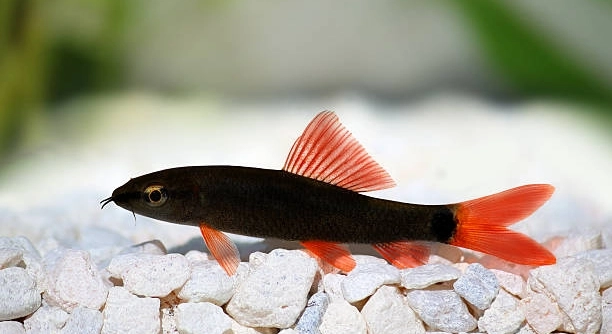
Keeping a rainbow shark active in a small tank can be challenging but rewarding. These fish need stimulation and proper care to thrive in limited spaces. Providing the right environment helps maintain their health and lively behavior.
To keep a rainbow shark active in a small tank, ensure regular water changes, maintain appropriate temperature and oxygen levels, offer varied diet options, create hiding spots, provide gentle water flow, introduce tank mates carefully, and engage them with occasional enrichment activities.
These simple yet effective methods can improve your rainbow shark’s activity and overall well-being in a smaller home.
Maintain Clean Water and Proper Filtration
Keeping the water clean is the most important part of caring for a rainbow shark, especially in a small tank. These fish produce waste quickly, and poor water quality can make them stressed or sick. Changing about 20-30% of the water weekly helps keep the tank healthy. Use a good filter that fits your tank size to remove debris and toxins. Make sure the filter does not create a strong current, as rainbow sharks prefer gentle water flow. Testing the water regularly for ammonia, nitrites, and nitrates ensures safe living conditions. Clean water helps the fish stay active and happy. Neglecting water changes can cause illness, so a steady routine is key.
A reliable filtration system supports the tank’s balance and promotes oxygen circulation, which keeps the rainbow shark lively and healthy in a small environment.
Understanding and maintaining water quality helps prevent health problems and encourages your fish to explore and swim freely in their limited space.
Provide Hiding Spots and Decorations
Rainbow sharks feel safer when they have places to hide. In a small tank, adding caves, rocks, or plants can create secure spots. These hideouts reduce stress and encourage natural behavior. Live plants also improve water quality by absorbing waste. Choose decorations that don’t overcrowd the tank but offer enough shelter. Avoid sharp edges that could harm the fish. Position decorations to create open swimming areas and cozy corners. Rearranging them occasionally can keep the environment interesting. A well-decorated tank supports the fish’s mental and physical activity by mimicking their natural habitat and offering places to rest or explore safely.
Feed a Varied and Balanced Diet
Rainbow sharks need different foods to stay healthy and active. A mix of flakes, pellets, and live or frozen foods gives them the nutrients they need. Avoid feeding only one type of food, as this can cause deficiencies.
Providing a balanced diet is key to maintaining your rainbow shark’s energy and color. Include high-quality sinking pellets designed for bottom feeders since rainbow sharks often eat near the tank floor. Supplement their diet with occasional treats like bloodworms, brine shrimp, or daphnia to add protein and variety. Vegetables such as blanched zucchini or spinach are also good for them. Feeding small amounts twice daily helps prevent overfeeding and keeps the tank clean.
Avoid overfeeding as it can reduce water quality and lead to obesity or illness. Consistent feeding times and portion control help keep your rainbow shark healthy and lively in its small tank.
Monitor Water Temperature and Oxygen Levels
Rainbow sharks prefer temperatures between 75°F and 79°F (24°C to 26°C). Maintaining this range prevents stress and encourages activity. Use an aquarium heater to keep temperature stable, especially in cooler climates. Sudden changes can cause health problems.
Proper oxygen levels are also important. Make sure your filter or air pump creates enough water movement for oxygen exchange without strong currents that stress the fish. Adding live plants can improve oxygen naturally. Using a thermometer and testing equipment helps you keep the tank conditions ideal for your rainbow shark’s energy and well-being.
Provide Gentle Water Flow
Rainbow sharks prefer gentle water currents. Strong flow can tire them out and cause stress. Adjust your filter or add a flow diffuser to keep the water moving softly. This mimics their natural habitat and encourages swimming without exhaustion.
A calm environment with steady but gentle water movement helps your fish stay active and comfortable in a small tank.
Introduce Compatible Tank Mates
Rainbow sharks can be territorial, especially in small tanks. Choose peaceful, non-aggressive species that won’t compete for space or food. Avoid other bottom dwellers to reduce stress and fighting. Good tank mates include small schooling fish or mid-level swimmers that keep a respectful distance.
Introducing the right companions helps balance tank dynamics and supports your rainbow shark’s activity without conflict.
Engage Your Rainbow Shark with Enrichment
Changing the tank layout occasionally or adding new decorations can keep your fish curious. Using feeding puzzles or floating food encourages natural foraging behavior. These small changes stimulate your rainbow shark mentally and physically.
Enrichment supports ongoing activity and prevents boredom in confined spaces.
FAQ
How often should I feed my rainbow shark?
Feeding your rainbow shark twice a day is ideal. Offer small portions that they can finish within a few minutes. Overfeeding can pollute the water and harm their health. If leftovers remain, reduce the amount next time to avoid waste buildup in the tank.
Can rainbow sharks live happily in tanks smaller than 30 gallons?
Rainbow sharks are active fish that prefer spacious tanks. While they can survive in smaller tanks, less than 30 gallons is not ideal. Small spaces limit their swimming and increase stress. A larger tank improves their health and allows more natural behavior.
What types of food do rainbow sharks enjoy most?
Rainbow sharks like a mix of sinking pellets, flakes, and live or frozen foods. Protein-rich options like bloodworms or brine shrimp are great treats. Vegetables such as blanched zucchini or spinach add necessary nutrients and variety to their diet.
How can I tell if my rainbow shark is stressed?
Signs of stress include hiding constantly, loss of color, lethargy, or unusual swimming patterns like erratic movements or staying at the surface. Poor water quality, overcrowding, or aggressive tank mates often cause stress. Regular tank maintenance and suitable companions help reduce these issues.
Is it okay to keep multiple rainbow sharks together?
Keeping multiple rainbow sharks in the same tank can lead to territorial fights, especially in small tanks. If you want more than one, a tank larger than 55 gallons with plenty of hiding spots is necessary. Otherwise, it’s better to keep just one to avoid stress and injuries.
What is the best temperature range for rainbow sharks?
Rainbow sharks thrive between 75°F and 79°F (24°C to 26°C). Maintaining this temperature helps them stay active and healthy. Avoid sudden temperature changes by using a reliable heater and monitoring with a thermometer.
How do I improve oxygen levels in a small tank?
To improve oxygen, ensure your filter or air pump creates gentle water movement without strong currents. Adding live plants helps naturally oxygenate the water. Regular partial water changes also maintain good oxygen levels and water quality.
Can I use artificial plants for hiding spots?
Yes, artificial plants can provide hiding places, but they don’t help water quality like live plants do. Make sure artificial plants are soft and free of sharp edges to avoid injuring your rainbow shark.
What type of substrate is best for a rainbow shark?
Soft, smooth substrates like sand or fine gravel are best. Rainbow sharks like to swim near the bottom, so rough or sharp gravel can harm their delicate undersides.
How often should I clean the tank to keep my rainbow shark active?
Cleaning about 20-30% of the water weekly helps keep the tank healthy and your fish active. Regularly rinse the filter media with tank water to avoid killing beneficial bacteria. Keeping the environment clean reduces stress and promotes natural behavior.
Why is my rainbow shark hiding all the time?
Hiding often can mean stress, illness, or feeling threatened. Check water parameters, temperature, and tank mates. Providing enough hiding spots helps, but if hiding continues, it might need closer attention or veterinary advice.
Are rainbow sharks aggressive?
They can be territorial, especially with other bottom dwellers or their own kind in small tanks. However, with proper space and compatible tank mates, aggression can be minimized.
Can rainbow sharks live with goldfish?
Goldfish have different temperature needs and behaviors. Rainbow sharks prefer warmer water, and goldfish prefer cooler. Keeping them together is generally not recommended because it can cause stress and health problems.
How do I know if my rainbow shark is healthy?
A healthy rainbow shark is active, has bright colors, clear eyes, and smooth fins. They swim around the tank, explore, and eat well. Sudden changes in behavior or appearance can signal illness or poor conditions.
What should I do if my rainbow shark stops eating?
Check water quality and temperature first. Stress or illness can cause loss of appetite. Try offering live or frozen food to stimulate feeding. If it continues not to eat, consult an expert for diagnosis and treatment.
Is it necessary to rearrange tank decorations?
Occasionally moving decorations or adding new ones keeps the environment interesting for your fish. This encourages exploration and reduces boredom, especially in small tanks where space is limited.
How long do rainbow sharks live?
Rainbow sharks can live 5 to 8 years with proper care. Maintaining clean water, a balanced diet, and suitable tank conditions helps maximize their lifespan.
Keeping a rainbow shark active in a small tank takes some effort and attention, but it is very doable. The key is to create a stable and comfortable environment that meets their basic needs. Clean water, the right temperature, gentle water flow, and good hiding spots are all important parts of this. When these conditions are met, rainbow sharks feel safer and show more natural behavior. This helps them stay active and healthy even in a limited space.
Feeding your rainbow shark a balanced diet is also important for their activity levels. They need a mix of sinking pellets, live or frozen foods, and some vegetables to get all the nutrients they require. Avoid overfeeding, as leftover food can quickly harm water quality. Keeping a feeding schedule and controlling portions will prevent many common problems. Adding small treats and occasional changes in diet also encourages the fish to be more curious and energetic. This simple step supports their overall well-being and keeps them moving.
Finally, providing mental stimulation helps keep a rainbow shark from becoming bored in a small tank. Rearranging decorations or adding new hiding places gives them something to explore. Using feeding puzzles or occasionally changing how food is given encourages natural foraging. It is easy to overlook how important these small enrichments are, but they can make a big difference in your fish’s activity. With the right care, even a small tank can be a happy home where a rainbow shark thrives and stays lively for years.

Hello,
If you enjoy the content that we create, please consider saying a "Thank You!" by leaving a tip.
Every little bit helps us continue crafting quality advice that supports the health, happiness, and well-being of pets around the world, for pets of all shapes, sizes, and species.
We really appreciate the kindness and support that you show us!