
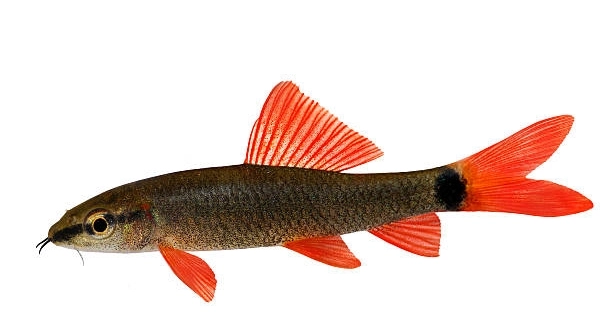
Keeping a rainbow shark in a tank can be rewarding, but sometimes these fish show signs of aggression. Understanding their behavior and environment helps prevent fights and stress in your aquarium. This article offers practical advice for peaceful fishkeeping.
Aggression in rainbow shark tanks often arises from overcrowding, insufficient hiding spaces, or incompatible tank mates. Maintaining proper tank size, providing adequate shelter, and selecting compatible species reduce stress and territorial disputes among the fish.
Knowing these basics can make your aquarium a calmer place for your rainbow sharks and other fish alike. The following tips focus on creating a balanced and peaceful aquatic environment.
Provide Enough Space for Your Rainbow Sharks
Rainbow sharks need plenty of room to swim and establish their territory. A cramped tank can quickly lead to stress and aggression. Ideally, a minimum of 30 gallons is recommended for one rainbow shark. If you want more than one, increase the tank size accordingly. Overcrowding can cause fish to compete for space, leading to more fighting. Make sure your tank has enough swimming areas and separate zones where each fish can feel secure. Adding decorations like plants and rocks helps break up open areas, so your fish won’t feel forced to confront each other. By creating distinct territories within the tank, you reduce stress and minimize aggressive behavior.
A larger tank allows your rainbow sharks to swim freely and reduces the chances of conflicts.
Setting up a spacious aquarium requires careful planning. You should consider the adult size of your rainbow sharks, which can grow up to 6 inches long. Tanks smaller than 30 gallons don’t provide enough room for their activity level or territorial needs. Adding plants and hiding spots is essential to give them privacy and reduce visibility between fish. Avoid placing them in tanks with very active or aggressive species. Regular water changes and maintaining good filtration also improve their overall well-being, making them less likely to act aggressively. With the right space and environment, your rainbow sharks will be calmer and healthier.
Choose Compatible Tank Mates
Not all fish live peacefully with rainbow sharks. Selecting compatible tank mates helps reduce aggression. Avoid other bottom dwellers that occupy the same space or overly aggressive species. Instead, opt for peaceful mid- or top-level swimmers that won’t compete for territory.
When choosing tank mates, consider their size and temperament. Avoid small fish that might become targets, and aggressive species that might provoke your rainbow sharks. Suitable companions include larger tetras, danios, or peaceful gouramis. Mixing species that occupy different tank levels reduces conflict. Always observe fish interactions closely after introducing new tank mates. If aggression starts, be prepared to separate the fish to prevent harm. Choosing the right companions ensures a balanced aquarium where all species can thrive without stress or injury.
Maintain Clean Water Conditions
Clean water is essential to keep your rainbow sharks healthy and calm. Dirty water stresses fish and can trigger aggression.
Regular water changes and good filtration remove waste and toxins. Test water parameters often to keep ammonia, nitrite, and nitrate levels safe. Keeping water clean reduces disease risk and aggressive behavior caused by stress.
Besides changing 20-30% of the water weekly, avoid overfeeding to prevent leftover food buildup. Use a reliable filter that matches your tank size and clean it regularly. Clear water helps your fish feel comfortable and reduces their urge to fight over territory or resources.
Create Hiding Spots and Visual Barriers
Hiding spots are crucial for rainbow sharks to feel safe and reduce aggression. Use plants, rocks, or decorations to build shelters.
Providing places to hide allows fish to escape if threatened, which lowers stress and fighting. Visual barriers break the line of sight, reducing territorial disputes. Use tall plants or caves to divide the tank space naturally. This helps shy or stressed fish avoid direct confrontations.
Try arranging decorations to create multiple hiding spots and sections within the tank. This setup encourages peaceful coexistence by letting each fish claim a small area without constant challenges. Visual breaks help maintain calm and improve the overall health of your rainbow sharks and tank mates.
Feed a Balanced Diet
A balanced diet keeps your rainbow sharks healthy and less aggressive. Proper nutrition reduces stress and competition during feeding time.
Feed high-quality sinking pellets designed for bottom feeders. Supplement their diet with occasional vegetables or live foods to keep them satisfied and healthy.
Avoid Overcrowding
Too many fish in one tank increases stress and fighting. Stick to recommended stocking levels to maintain peace.
Overcrowding forces rainbow sharks to compete for space and resources, which can quickly lead to aggressive behavior. Keeping a proper fish count helps maintain a calm environment.
Monitor Behavior Regularly
Watch your rainbow sharks’ interactions daily. Early signs of aggression allow quick action before fights escalate.
Spotting unusual chasing, nipping, or hiding helps you intervene early by rearranging the tank or separating aggressive fish.
FAQ
How can I tell if my rainbow shark is being aggressive?
Aggressive behavior in rainbow sharks usually shows through chasing, nipping, or territorial displays. You might see one fish repeatedly chasing another or biting its fins. Sometimes fish flare their fins or change color when stressed. Watching how your fish interact daily helps you spot these signs early.
What causes rainbow sharks to become aggressive?
Aggression often results from overcrowding, lack of hiding spots, or incompatible tank mates. Poor water quality and insufficient food can also stress fish, leading to fights. Rainbow sharks are territorial by nature, so limited space or unclear territories increase conflict risks.
Can aggression harm my fish?
Yes, aggression can cause injuries like torn fins, stress, or even death. Stressed fish are more prone to disease and have weakened immune systems. It’s important to reduce aggression quickly to protect your fish’s health and maintain a peaceful tank.
Is it normal for rainbow sharks to be aggressive sometimes?
Some aggression is natural because rainbow sharks defend their territory. However, constant or severe aggression is a problem. Mild displays often calm down once fish establish their space, but frequent fights need intervention.
How many rainbow sharks can I keep in one tank?
It’s best to keep one rainbow shark per tank under 40 gallons. For larger tanks, you can keep two or three if you provide plenty of space and hiding spots. Overcrowding increases stress and aggression, so always size your tank accordingly.
What tank mates work well with rainbow sharks?
Peaceful mid- and top-swimming fish like tetras, danios, or gouramis generally work well. Avoid other bottom dwellers or aggressive species that compete for space. Fish that swim at different tank levels reduce territorial disputes and stress.
How often should I clean my tank to reduce aggression?
Regular maintenance is key. Change 20-30% of the water every week or two to keep water quality high. Clean filters and remove leftover food to reduce stress-causing toxins. Clean water helps fish stay healthy and calm.
What decorations help reduce aggression?
Plants, rocks, caves, and other decorations create hiding places and visual barriers. These help fish feel secure and break up the tank space, reducing territorial fights. Aim to create several small territories within the tank.
Can diet affect my rainbow shark’s aggression?
Yes, poor or irregular feeding can increase aggression as fish compete for food. Feeding a balanced diet with quality sinking pellets and occasional treats keeps fish healthy and less stressed during mealtime.
What should I do if aggression continues despite changes?
If aggression persists, consider separating the aggressive fish into another tank. Sometimes rearranging tank decorations or upgrading to a larger aquarium helps. Consulting a local aquarium expert can also provide tailored advice for your situation.
Are rainbow sharks aggressive only to their own species?
Rainbow sharks can be aggressive to their own kind and to other species that share similar territories. Aggression usually increases if the tank is too small or if there is competition for food or hiding spots.
Do rainbow sharks calm down as they get older?
Some rainbow sharks may become less aggressive with age, but many remain territorial throughout their lives. Providing enough space and hiding places is always important, no matter the fish’s age.
Can lighting or tank setup affect aggression?
Yes, strong lighting or a bare tank with no cover can increase stress and aggression. Using dimmer lights or floating plants can create a more comfortable environment. A well-decorated tank reduces stress and helps keep peace among fish.
How long does it take for rainbow sharks to settle after introducing them to a new tank?
It may take several days to a few weeks for your rainbow sharks to settle in and establish territories. During this time, some chasing or mild aggression is normal. After territories are set, behavior usually calms down.
Is it okay to keep rainbow sharks with aggressive fish?
Mixing rainbow sharks with aggressive fish is risky. Aggressive tank mates can provoke fights or cause injury. Stick to peaceful species to ensure a calm and healthy tank environment.
Taking care of rainbow sharks means understanding their natural behavior and needs. Aggression can be a common problem, but it can usually be managed with the right steps. Giving your fish enough space, keeping the water clean, and choosing peaceful tank mates are important ways to reduce fights. Rainbow sharks need room to swim and hide, so setting up the tank properly helps them feel safe. When fish feel secure, they are less likely to show aggression.
Feeding your rainbow sharks well is another key part of keeping them calm. A balanced diet helps prevent competition during feeding times, which can sometimes cause stress and fighting. Watching your fish every day lets you catch signs of aggression early. If you notice one fish bullying another, you can make changes before it gets worse. Sometimes changing the decorations or adding plants gives the fish places to escape and lowers their stress.
Overall, preventing aggression is about paying close attention to your rainbow sharks’ environment and behavior. Each tank is different, so you may need to try different methods to see what works best. Taking the time to care for your fish properly will create a peaceful tank where they can thrive. A calm and healthy aquarium makes the experience more enjoyable for both you and your fish. With a little patience and care, your rainbow sharks can live happily together without constant fighting.

Hello,
If you enjoy the content that we create, please consider saying a "Thank You!" by leaving a tip.
Every little bit helps us continue crafting quality advice that supports the health, happiness, and well-being of pets around the world, for pets of all shapes, sizes, and species.
We really appreciate the kindness and support that you show us!