
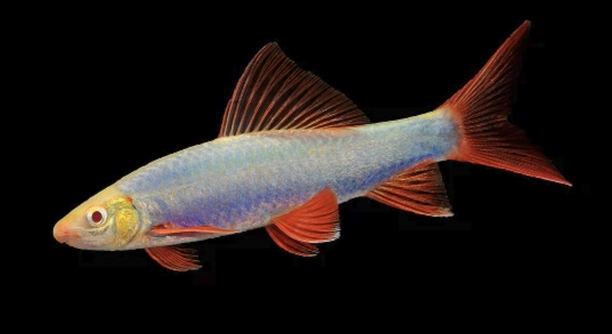
Many fish owners enjoy keeping Rainbow Sharks for their vibrant colors and lively nature. Maintaining a calm, stress-free environment is important to keep these fish healthy and happy. Proper care helps them thrive in home aquariums.
Creating a stress-free environment for Rainbow Sharks involves maintaining clean water, providing enough space, ensuring proper diet, avoiding aggressive tank mates, and monitoring water parameters regularly. These factors collectively promote their well-being and reduce stress.
Following these simple tips can improve your Rainbow Shark’s quality of life and keep your aquarium peaceful and balanced. Understanding their needs is key to successful fishkeeping.
Keep the Water Clean and Well-Filtered
Rainbow Sharks need clean water to stay healthy and stress-free. Regular water changes help remove waste and toxins that can build up quickly. Using a good quality filter is important because it keeps the water clear and oxygen-rich. Make sure the filter is suitable for the size of your tank. Testing the water often for ammonia, nitrites, and nitrates ensures the environment stays safe for your fish. A clean tank also prevents diseases, which can cause stress and harm to your Rainbow Shark. Cleaning the gravel and removing leftover food during water changes will keep the tank fresh. Aim to change 20-30% of the water weekly. Avoid strong water currents because Rainbow Sharks prefer calm waters. This balance creates a comfortable place where your fish can swim freely and feel secure.
Water quality directly impacts the health and stress levels of your Rainbow Shark.
Maintaining consistent water parameters such as pH (6.5 to 7.5), temperature (72-79°F), and hardness keeps your Rainbow Shark comfortable. Fluctuations can cause stress and weaken its immune system. Monitoring these factors regularly with simple test kits helps prevent problems early. Gentle water flow and stable conditions reduce stress and promote natural behavior. Proper care of the aquarium filter, including regular cleaning, supports a healthy environment. Avoid overfeeding as leftover food can pollute the water quickly. Keeping the tank clean and balanced supports your Rainbow Shark’s well-being and longevity.
Provide Adequate Space and Hiding Spots
Rainbow Sharks need enough space to swim and feel safe. A tank size of at least 30 gallons is recommended to prevent overcrowding. Adding plants, rocks, or decorations creates hiding spots where they can retreat when feeling threatened. These places reduce stress and encourage natural behavior. Avoid sharp decorations that could harm your fish. Hiding spots also break the line of sight, which helps reduce aggression between fish. Remember, a comfortable environment keeps your Rainbow Shark calm and happy.
A spacious tank with well-placed hiding areas supports your fish’s mental and physical health.
Ensuring your Rainbow Shark has room to explore is essential for reducing stress. A cramped tank can make them feel trapped and anxious, leading to aggressive behavior or health problems. The tank layout should include plenty of swimming space alongside cozy shelters. Live plants are a great choice because they improve water quality and provide natural cover. Position hiding spots in quiet areas of the tank away from constant disturbance. These shelters let your Rainbow Shark rest and feel secure during stressful moments. Keeping an uncluttered open area allows for exercise and proper swimming patterns. With the right space and hiding places, your Rainbow Shark will feel more at ease and thrive in its environment.
Choose Compatible Tank Mates
Rainbow Sharks can be territorial, so choosing the right tank mates is important. Avoid aggressive or very small fish that might become targets. Peaceful, medium-sized fish usually work best to keep the tank calm.
Tank mates should be chosen carefully to prevent stress and fighting. Species like Corydoras catfish, danios, and larger tetras tend to coexist well with Rainbow Sharks. Avoid keeping multiple Rainbow Sharks together in small tanks, as they can become aggressive toward each other. Introduce new fish slowly and monitor interactions closely to ensure harmony. Keeping a peaceful community tank helps reduce stress for all fish and maintains balance.
Providing plenty of space and hiding spots also helps reduce territorial disputes. Observing your fish regularly lets you spot early signs of aggression and take action quickly. A calm tank atmosphere benefits your Rainbow Shark’s health and happiness over time.
Maintain a Balanced Diet
Rainbow Sharks need a balanced diet to stay healthy and reduce stress. Feed them a mix of high-quality flakes, pellets, and occasional live or frozen foods. This variety ensures they get proper nutrition.
A balanced diet supports good growth, bright colors, and strong immune systems. Include foods like bloodworms, brine shrimp, and vegetable matter such as spirulina flakes. Feed small amounts twice daily, avoiding overfeeding which can pollute the tank. Removing uneaten food promptly helps maintain water quality. Proper nutrition is essential for energy and overall well-being.
Supplementing their diet with occasional treats keeps your Rainbow Shark interested and active. Providing a varied menu mimics their natural diet and encourages natural feeding behaviors. Balanced feeding habits contribute greatly to their long-term health and stress reduction.
Monitor Water Temperature Closely
Rainbow Sharks thrive in temperatures between 72°F and 79°F. Keeping the water temperature stable within this range helps prevent stress and illness.
Use a reliable aquarium heater and thermometer to maintain consistent temperature. Avoid sudden changes that can shock your fish and weaken their immune system.
Avoid Overcrowding Your Tank
Overcrowding leads to poor water quality and increases stress among Rainbow Sharks. Ensure your tank size matches the number of fish you keep.
Too many fish compete for space and resources, causing aggressive behavior and health issues. Maintain recommended stocking levels to create a peaceful environment for all inhabitants.
Regularly Check Water Parameters
Testing for ammonia, nitrites, nitrates, and pH is vital for Rainbow Shark health. Keep ammonia and nitrites at zero and nitrates below 20 ppm.
Stable water parameters reduce stress and prevent common diseases. Use aquarium test kits weekly to monitor these values. Adjust water changes and filtration as needed to maintain ideal conditions.
Keep Noise and Vibrations Low
Loud noises and vibrations can stress Rainbow Sharks. Place your aquarium in a quiet area away from heavy foot traffic or loud appliances.
FAQ
How often should I change the water in my Rainbow Shark tank?
Changing 20-30% of the water weekly is recommended to keep the environment clean and healthy. Regular water changes remove waste, toxins, and excess nutrients that can harm your Rainbow Shark. If you notice cloudy water or an ammonia spike, increase the frequency or amount of water changed. Always treat tap water with a dechlorinator before adding it to the tank.
What tank size is best for a Rainbow Shark?
A minimum tank size of 30 gallons is ideal for one Rainbow Shark. They are active swimmers and need space to move around comfortably. Larger tanks help reduce aggression and stress by providing enough territory. If keeping multiple Rainbow Sharks, a much larger tank is necessary to prevent fighting.
Can Rainbow Sharks live with other fish?
Yes, but careful selection is important. Choose peaceful, medium-sized fish that won’t compete aggressively for territory. Avoid small fish that could be seen as prey or other bottom dwellers that may cause conflict. Good companions include Corydoras catfish, danios, and some tetras. Avoid keeping multiple Rainbow Sharks in small tanks.
What is the best diet for a Rainbow Shark?
A varied diet including high-quality flakes or pellets, plus live or frozen foods like bloodworms and brine shrimp, works best. Supplementing with vegetable matter, such as spirulina flakes, supports their health. Feed small amounts twice daily and avoid overfeeding to maintain water quality.
Why is my Rainbow Shark hiding a lot?
Hiding is normal behavior, especially if the tank lacks enough hiding spots or the fish feels stressed. Provide plants, rocks, and decorations for secure retreats. Hiding may also indicate poor water conditions or illness, so check water parameters regularly and observe for other signs of stress or disease.
How do I reduce aggression in Rainbow Sharks?
Provide enough space, hiding places, and compatible tank mates to reduce territorial disputes. Avoid overcrowding and keep water conditions stable. Introducing fish slowly and monitoring interactions can prevent aggression. If fights occur, separating the fish may be necessary.
What water temperature is best for Rainbow Sharks?
Keep the water between 72°F and 79°F. Consistent temperature within this range reduces stress and keeps your fish healthy. Use a reliable heater and thermometer to monitor and maintain temperature.
How do I know if my Rainbow Shark is stressed?
Signs of stress include hiding excessively, loss of color, loss of appetite, erratic swimming, or aggression. Poor water quality, wrong tank mates, or sudden changes in the environment can cause these symptoms. Regular tank maintenance and careful monitoring help prevent stress.
How long do Rainbow Sharks typically live?
With proper care, Rainbow Sharks can live between 5 to 8 years. Maintaining clean water, good diet, and a stress-free environment contributes to their longevity.
Can I keep multiple Rainbow Sharks together?
It is generally not recommended in tanks smaller than 75 gallons. They are territorial and may fight when space is limited. If you want more than one, ensure a large tank with many hiding places and monitor their behavior closely.
What should I do if my Rainbow Shark shows signs of illness?
Test water quality first, as poor conditions often cause health issues. Quarantine the fish if possible and seek advice on treatments based on symptoms. Common problems include fungal or bacterial infections, often treatable with aquarium medications when caught early.
Taking good care of a Rainbow Shark means paying attention to its environment and daily needs. Keeping the water clean and well-filtered is one of the most important steps. Regular water changes and testing water quality help keep harmful substances away. This simple routine helps prevent stress and illness in your fish. Maintaining a stable water temperature and proper pH levels also plays a big role. When the water conditions are right, your Rainbow Shark can swim actively and show its bright colors.
Space and tank mates matter just as much as water quality. A tank that is too small or crowded can cause stress and aggression. Providing enough room for your Rainbow Shark to explore helps it stay calm and healthy. Adding plants, rocks, and hiding spots gives your fish safe places to rest. Choosing peaceful tank mates that don’t compete for territory reduces fighting and creates a balanced community. Watching your fish regularly lets you notice any behavior changes early, so you can make adjustments as needed.
Feeding your Rainbow Shark a varied and balanced diet supports its overall well-being. High-quality flakes or pellets combined with live or frozen foods give them the nutrients they need. Avoid overfeeding, as leftover food can pollute the water and cause stress. By following these care tips, you create a peaceful, healthy environment for your Rainbow Shark. Paying close attention to their needs will help your fish live a longer, happier life and brighten your aquarium.

Hello,
If you enjoy the content that we create, please consider saying a "Thank You!" by leaving a tip.
Every little bit helps us continue crafting quality advice that supports the health, happiness, and well-being of pets around the world, for pets of all shapes, sizes, and species.
We really appreciate the kindness and support that you show us!