
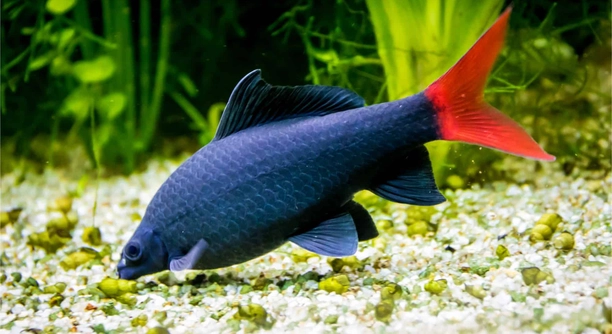
Are you trying to create a peaceful, comfortable space for your rainbow shark but aren’t sure where to begin with setup?
The key to creating the perfect habitat for a rainbow shark is to mimic its natural environment. This involves providing enough space, appropriate tank mates, hiding spots, and maintaining clean water with proper filtration and pH levels.
Each of these seven steps is simple to follow and helps support your rainbow shark’s health, behavior, and overall well-being in the tank.
Choose the Right Tank Size
Rainbow sharks need more room than most people think. A single adult rainbow shark should be kept in a tank that holds at least 50 gallons of water. This helps reduce aggression and gives them enough space to swim freely. If the tank is too small, the fish can become territorial and stressed. A larger tank also allows for better water stability and filtration. Keep in mind that rainbow sharks are active swimmers and enjoy exploring their surroundings. Smaller tanks limit their movement, which may impact their health over time. When setting up, make sure the tank has a secure lid, as these fish can sometimes jump. A longer tank, rather than a taller one, is more suitable because they prefer horizontal swimming space. Think about where the tank will go in your home so it stays away from direct sunlight and drafts. Placement matters for temperature control and algae prevention.
Make sure your tank size matches your fish’s needs from the beginning.
Choosing a tank that is too small may lead to behavior issues and poor health. A 50-gallon tank is the best starting point for one adult rainbow shark. If you’re adding tank mates, consider upgrading the size to reduce conflict.
Provide Proper Substrate and Decorations
Fine gravel or smooth sand works best for rainbow sharks because they enjoy exploring the bottom of the tank. Avoid sharp gravel that can scratch their bodies. Choose a dark substrate to bring out their colors and reduce stress.
Decorating the tank is more than just adding visual interest—it supports your fish’s behavior. Rainbow sharks need hiding spots to feel safe, especially when they are young or adjusting to a new tank. Use driftwood, smooth rocks, and sturdy caves to create a natural setting. Make sure there’s enough space between objects so they can swim freely without getting trapped. Live or artificial plants are also helpful. Choose hardy plants like Java fern or Anubias that won’t be easily uprooted. Place decorations in a way that creates territories and breaks line of sight, which helps reduce aggression. Avoid overcrowding the tank with too many items, as this limits swimming space. Creating a well-balanced layout supports healthy behavior, lowers stress, and helps your rainbow shark feel more at ease in its environment.
Maintain Ideal Water Conditions
Rainbow sharks need clean, stable water to stay healthy. The water temperature should be between 75°F and 81°F, with a pH level between 6.5 and 7.5. Keep ammonia, nitrite, and nitrate levels as low as possible through regular water changes.
Use a reliable water testing kit to monitor the tank each week. A strong filtration system helps remove waste and maintain clarity. Avoid sudden temperature shifts, as rainbow sharks are sensitive to changes. When adding water during changes, always match the temperature. Chlorine and chloramine in tap water can harm fish, so use a water conditioner. Change about 25% of the water weekly to keep the environment balanced. Overfeeding can lead to poor water quality, so feed in small amounts. Clean the substrate with a siphon to remove debris without disturbing decorations. Consistent care will prevent stress and support long-term health.
If your water quality drops, your rainbow shark may become sluggish or lose color. Poor conditions can also weaken their immune system. Use a heater and thermometer to maintain proper temperature and consider a sponge filter to reduce flow. If you see any signs of distress, test the water right away and take action quickly.
Select Peaceful Tank Mates
Not all fish get along with rainbow sharks. They can be territorial, especially with similar-looking bottom dwellers. Avoid housing them with red-tailed sharks, other rainbow sharks, or aggressive species. Peaceful mid-to-top swimmers are a safer choice.
Good tank mates include barbs, danios, rasboras, and rainbowfish. These fish usually stay in the middle or upper parts of the tank and don’t compete for the same space. Avoid slow-moving or long-finned fish, as they may be chased. Always introduce new fish with care, observing behavior closely for signs of stress or aggression. Add hiding spaces and break the line of sight with decorations to reduce tension. If your rainbow shark becomes too aggressive, rearranging the tank layout can help reset territorial behavior. Keep only one rainbow shark per tank to avoid territorial disputes. A calm tank environment will make all your fish feel more secure and healthy.
Feed a Balanced Diet
Rainbow sharks are omnivores and need a mix of plant and protein-based foods. Offer high-quality sinking pellets as their main diet.
Supplement meals with vegetables like blanched spinach or zucchini. Occasional treats like bloodworms or brine shrimp provide extra protein.
Monitor Behavior Regularly
Watching your rainbow shark’s behavior helps catch problems early. Healthy fish are active and curious but may hide when stressed.
Aggression or lethargy can indicate poor water quality or illness. Take notes on any changes and act quickly to fix issues. Regular observation ensures your fish stays happy and healthy.
Perform Routine Tank Maintenance
Regular tank cleaning prevents harmful buildup. Change 25% of the water weekly and vacuum the substrate carefully.
Keep the filter clean but avoid over-cleaning, which can disrupt beneficial bacteria. Consistent maintenance keeps water quality stable and fish healthy.
How big should my tank be for a rainbow shark?
A tank of at least 50 gallons is recommended for one adult rainbow shark. This size provides enough swimming space to reduce stress and territorial behavior. If you plan to keep other fish with your rainbow shark, consider a larger tank to accommodate everyone comfortably.
What water temperature is best for rainbow sharks?
Rainbow sharks thrive in water temperatures between 75°F and 81°F. Maintaining a stable temperature within this range helps keep their metabolism steady and reduces stress. Use a reliable aquarium heater and thermometer to monitor and adjust the temperature as needed.
Can rainbow sharks live with other fish?
Yes, but careful selection is important. Rainbow sharks can be territorial, especially with similar species or bottom dwellers. Peaceful mid-to-top swimming fish like barbs, danios, or rasboras usually coexist well. Avoid keeping multiple rainbow sharks together, as they may fight.
What should I feed my rainbow shark?
Feed high-quality sinking pellets designed for omnivores as the main diet. Supplement with blanched vegetables such as spinach or zucchini and occasional protein treats like bloodworms or brine shrimp. Feed small amounts twice a day to avoid overfeeding and maintain water quality.
How often should I change the water?
Perform a 25% water change once a week to maintain clean, healthy water. Regular changes remove waste and toxins that build up over time. Use a water conditioner to neutralize chlorine and chloramine in tap water before adding it to the tank.
What type of substrate is best?
Fine gravel or smooth sand works best for rainbow sharks because they like to explore the bottom. Avoid sharp or rough gravel that can injure their bodies. Darker substrate helps reduce stress and enhances their colors.
How do I prevent aggression in my rainbow shark?
Provide plenty of hiding spots and break the line of sight with decorations like rocks and plants. Avoid overcrowding the tank and keep only one rainbow shark per aquarium. Introducing peaceful tank mates and maintaining proper tank size also helps reduce aggressive behavior.
What are common signs of illness in rainbow sharks?
Look for changes in behavior such as lethargy, loss of appetite, or hiding more than usual. Physical signs include faded colors, damaged fins, or white spots on the body. Poor water quality often causes illness, so regular testing and maintenance are essential.
Can rainbow sharks jump out of the tank?
Yes, rainbow sharks are known to jump, especially when stressed or startled. Use a secure lid on your tank to prevent escapes and injuries. Make sure there are no gaps where the fish can jump out.
How important is filtration for rainbow sharks?
Filtration is very important to keep the water clean and oxygen-rich. A strong filter removes waste and toxins, helping to maintain a healthy environment. Clean the filter regularly but avoid over-cleaning to preserve beneficial bacteria essential for breaking down fish waste.
Do rainbow sharks need live plants?
Live plants are not necessary but can improve the tank environment. They provide hiding spots and help absorb excess nutrients, reducing algae growth. Choose hardy plants like Java fern or Anubias, which can tolerate the activity of rainbow sharks.
How long do rainbow sharks typically live?
With proper care, rainbow sharks can live up to 8 to 10 years in captivity. Maintaining good water quality, providing a suitable diet, and reducing stress through proper tank setup all contribute to their lifespan.
Is it okay to keep multiple rainbow sharks together?
It’s best to avoid keeping multiple rainbow sharks in the same tank. They are territorial and may fight, causing injury or stress. If you want more than one, a very large tank with plenty of hiding spots is necessary, but even then, risks remain high.
What is the best way to introduce new fish to a rainbow shark tank?
Introduce new fish slowly and observe their interactions carefully. Quarantine new fish for at least two weeks to avoid spreading disease. Add new fish during the rainbow shark’s active time so it can become familiar with their presence gradually. Rearranging decorations before adding new fish can also help reduce territorial behavior.
How do I clean the substrate without disturbing the tank too much?
Use a siphon vacuum to gently remove debris from the substrate during water changes. Focus on areas where waste tends to collect, but avoid stirring up the entire substrate at once. This helps maintain beneficial bacteria while keeping the tank clean.
What should I do if my rainbow shark becomes aggressive suddenly?
Check water quality immediately, as poor conditions can increase aggression. Rearrange decorations to break up territories, and make sure there are enough hiding spots. Reducing feeding frequency or adjusting tank mates may also help calm your fish. If aggression persists, consider separating the fish.
Creating the perfect habitat for your rainbow shark takes some effort, but it is worth it for the health and happiness of your fish. Starting with the right tank size is important because it gives your rainbow shark room to swim and explore. Using the proper substrate and decorations helps mimic their natural environment and reduces stress. Keeping the water clean and stable with regular changes and good filtration supports their well-being. Feeding a balanced diet and choosing peaceful tank mates will also keep your fish healthy and active. Paying attention to these details makes a big difference in how your rainbow shark behaves and lives.
Regular maintenance and monitoring of your tank are key parts of caring for your rainbow shark. Checking water parameters often prevents problems before they start. Watching your fish’s behavior lets you spot early signs of illness or stress. Cleaning the tank and filter carefully keeps the environment safe without harming helpful bacteria. Taking the time to observe and care for your rainbow shark creates a peaceful tank where your fish can thrive. Even small changes in water quality or tank setup can affect your fish, so staying consistent is important.
Overall, providing a proper habitat requires patience and attention to detail, but it is very rewarding. A well-maintained tank helps your rainbow shark live a long and healthy life. The right setup supports their natural behaviors and reduces aggression. When your fish is comfortable and cared for, it shows in their color, energy, and interactions with other fish. Keeping these key points in mind will help you create an environment that meets your rainbow shark’s needs. With ongoing care and dedication, your rainbow shark can be a beautiful and lively addition to your aquarium for years to come.

Hello,
If you enjoy the content that we create, please consider saying a "Thank You!" by leaving a tip.
Every little bit helps us continue crafting quality advice that supports the health, happiness, and well-being of pets around the world, for pets of all shapes, sizes, and species.
We really appreciate the kindness and support that you show us!