
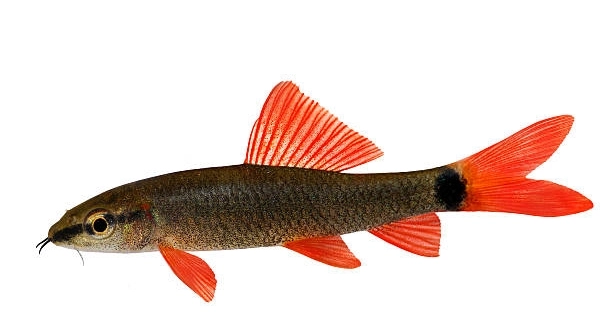
Rainbow sharks are popular aquarium fish known for their vibrant colors and active nature. Keeping their environment just right is important for their health. One key factor is water temperature, which can affect their behavior and well-being.
Rainbow sharks show signs of being too cold through slowed movement, loss of appetite, hiding more than usual, and faded coloration. These symptoms indicate that the fish’s metabolism is affected by low temperatures, potentially leading to health issues if not addressed.
Recognizing these signs early helps maintain a healthy environment for your rainbow shark. Proper temperature control ensures your fish stays lively and vibrant in your aquarium.
Signs Your Rainbow Shark Is Too Cold
When a rainbow shark’s tank water temperature drops below its ideal range of 75-79°F (24-26°C), the fish begins to react noticeably. Cold water slows its metabolism, making it less active and more lethargic. You might notice it staying near the bottom or hiding more often. Its vibrant colors may also fade, appearing dull or washed out. Loss of appetite is another clear sign that the temperature isn’t right. These changes indicate stress, which can weaken its immune system and lead to illness if not corrected quickly.
Behavioral changes are often the first warning signs of low temperature stress in rainbow sharks.
If these signs appear, it’s important to check your tank’s temperature immediately and adjust the heater as needed. Keeping water within the correct range supports your fish’s natural activity and coloration. Regular monitoring helps prevent long-term health problems and keeps your rainbow shark thriving in its environment.
How to Maintain Proper Tank Temperature
Maintaining a steady temperature requires reliable equipment and routine checks. A quality aquarium heater with a thermostat is essential. This device ensures the water stays consistent, even if room temperatures fluctuate. Use a separate thermometer to monitor the tank regularly rather than relying on the heater’s built-in gauge alone.
Aquarium heaters come in various sizes to match tank volume, so select one appropriate for your setup. Position the heater where water circulation is good to spread heat evenly. Frequent temperature checks throughout the day are useful, especially in cooler seasons or if your room temperature changes. Avoid sudden temperature shifts, as these can shock your fish. Consistency is key to supporting the rainbow shark’s health and comfort in the tank.
Maintaining proper temperature promotes natural behavior and reduces stress. It also lowers the risk of disease by keeping the immune system strong. Ensuring the environment is stable means your rainbow shark will remain colorful, active, and healthy for years to come.
Adjusting Temperature Safely
Sudden temperature changes can stress rainbow sharks and harm their health. It is important to raise or lower the temperature gradually to avoid shocking the fish. Aim to adjust no more than 1-2°F per day.
When increasing tank temperature, use a reliable heater with a thermostat to control changes precisely. Avoid placing the heater too close to the fish or in areas with poor water circulation. Monitoring temperature daily allows for small adjustments without rapid swings. This gradual approach helps the fish acclimate comfortably to the new conditions.
Lowering the temperature should also be done carefully. If the room is cold, consider using a tank cover to retain heat. Avoid cooling the tank too quickly by not replacing large amounts of water at once with cooler water. Keeping temperature changes slow supports your rainbow shark’s health and reduces stress.
Monitoring Tank Environment
Regularly checking the tank environment is crucial for your rainbow shark’s well-being. Besides temperature, water quality plays a major role. Test for ammonia, nitrites, and nitrates often to ensure safe conditions. Maintaining a clean tank reduces stress and promotes healing.
Keep track of the water temperature with a thermometer placed in a consistent spot. Avoid relying only on the heater’s reading. Observe your fish’s behavior daily for any signs of discomfort or illness related to temperature issues. Timely action based on these observations prevents bigger problems.
Routine water changes and proper filtration help maintain a stable environment. A stable environment means fewer surprises and a healthier fish. Consistency in monitoring gives you control and confidence in caring for your rainbow shark.
Importance of Proper Lighting
Proper lighting supports your rainbow shark’s natural behavior and overall health. Light helps regulate their daily activity and supports the aquarium’s ecosystem. Avoid harsh or overly bright lighting, which can stress the fish and make temperature management more difficult.
Use a timer to maintain a consistent light schedule, ideally 8-10 hours per day. This balance mimics natural conditions and helps stabilize tank temperature by preventing excessive heat from lights.
Feeding Habits and Temperature
Cold water slows a rainbow shark’s metabolism, which can reduce its appetite. Feeding smaller amounts more frequently helps avoid uneaten food, which can pollute the tank. Adjust feeding based on the fish’s activity and appetite changes related to temperature.
Tank Size and Temperature Stability
Larger tanks tend to have more stable temperatures because water volume buffers against quick fluctuations. Smaller tanks are more vulnerable to rapid temperature changes, which can stress fish. Choosing an appropriately sized tank can support better temperature control.
Using Aquarium Heaters Correctly
Heaters should be sized correctly for your tank and placed where water circulates well. Avoid placing them near decorations that block heat flow. Regularly check the heater’s function to prevent temperature drops that could affect your rainbow shark’s health.
FAQ
How cold is too cold for a rainbow shark?
Rainbow sharks thrive best between 75°F and 79°F (24°C to 26°C). Temperatures below 72°F (22°C) can cause stress and slow their metabolism, leading to health problems. Maintaining water within the ideal range ensures your fish remains active and healthy.
What are the first signs that my rainbow shark is too cold?
Early signs include sluggish movement, hiding more often, and faded colors. You might also notice a reduced appetite. These symptoms suggest the fish is uncomfortable and struggling to maintain normal bodily functions due to low temperature.
Can a rainbow shark recover if the tank gets too cold temporarily?
If the temperature drop is brief and corrected quickly, your rainbow shark can recover. However, prolonged exposure to cold water weakens its immune system and can lead to illness. It’s important to act fast to restore the proper temperature.
How do I safely raise the temperature in my tank?
Increase the water temperature gradually, no more than 1-2°F per day. Use a reliable aquarium heater with a thermostat and monitor with a separate thermometer. This slow adjustment prevents shocking the fish and helps it acclimate smoothly.
Is it safe to use a heater all year round?
Yes, especially if room temperature drops below the rainbow shark’s preferred range. A heater maintains a stable environment, which is crucial for their health. Ensure the heater is appropriately sized for your tank and regularly checked for proper function.
What happens if the temperature fluctuates a lot?
Frequent temperature swings stress rainbow sharks and disrupt their metabolism. This increases vulnerability to infections and can cause behavioral changes such as hiding and loss of appetite. Keeping temperature stable is essential for their well-being.
Can lighting affect my rainbow shark’s temperature?
Yes, strong lighting can raise the tank temperature, especially in smaller tanks. Use moderate lighting and a timer to maintain a consistent light schedule. This balance helps regulate temperature and supports your fish’s natural rhythm.
How often should I check the tank temperature?
Daily temperature checks are recommended. Use a separate thermometer to verify the heater’s setting. Regular monitoring helps catch any drops or spikes early, preventing stress and health issues for your rainbow shark.
Can small tanks cause temperature problems?
Smaller tanks heat and cool faster, making it harder to keep a steady temperature. Larger tanks offer more stability due to higher water volume. If you have a small tank, careful monitoring and a reliable heater are even more important.
What water temperature is best for baby rainbow sharks?
Baby rainbow sharks are more sensitive to temperature changes and should be kept between 77°F and 79°F (25°C to 26°C). Keeping their environment stable supports healthy growth and development.
Are there other ways to keep the tank warm besides a heater?
Using a tank cover helps retain heat, especially in cooler rooms. Keeping the tank away from drafts or cold windows also helps maintain temperature. However, a quality heater remains the most effective method for consistent warmth.
What should I do if my rainbow shark shows signs of being too cold?
Check the water temperature immediately. If it’s low, increase it gradually using a heater. Observe your fish for improvement in behavior and appetite. Clean the tank and maintain good water quality to support recovery.
Can temperature issues cause disease in rainbow sharks?
Yes, cold stress weakens the immune system, making fish more prone to infections such as fin rot or ich. Maintaining proper temperature reduces this risk and supports overall health.
Is it normal for rainbow sharks to hide when cold?
Hiding is a natural response to stress, including cold water. When uncomfortable, rainbow sharks seek shelter to conserve energy and avoid threats. If hiding persists, check the temperature and other tank conditions.
How do I know if my heater is working correctly?
Use a reliable thermometer to compare water temperature against the heater’s setting. If the water is colder or fluctuates significantly, the heater may be malfunctioning or improperly sized. Replace or repair faulty heaters promptly.
Can other tank inhabitants affect the temperature needs of rainbow sharks?
Different species have different temperature requirements. When mixing fish, set the tank temperature to meet the needs of all inhabitants, prioritizing the most sensitive species like rainbow sharks. This helps keep the entire tank healthy.
Is it harmful if the temperature goes slightly above the ideal range?
Temperatures up to about 82°F (28°C) are usually safe for short periods. However, prolonged exposure to higher temperatures can stress your fish and reduce oxygen levels in the water. Maintain temperature within the recommended range for best health.
How does temperature affect rainbow shark breeding?
Stable, slightly warmer water encourages breeding behavior in rainbow sharks. Sudden changes or cold temperatures can inhibit spawning. Maintaining proper temperature supports successful reproduction.
What equipment helps maintain stable temperature?
A heater with an adjustable thermostat, a quality thermometer, and possibly a tank cover help maintain stable temperatures. Avoid placing the tank near windows, vents, or direct sunlight to reduce fluctuations.
Can I use a heater with a built-in thermometer?
Heaters with built-in thermometers can be convenient but are not always accurate. It’s best to use a separate, reliable thermometer to monitor tank temperature independently. This ensures you get precise readings.
How do I acclimate a new rainbow shark to my tank temperature?
Float the sealed bag in the tank water for about 15-20 minutes to match temperatures. Gradually mix tank water into the bag over 30-60 minutes before releasing the fish. This prevents temperature shock and helps the fish adjust smoothly.
What if my rainbow shark refuses to eat because of the cold?
A reduced appetite is common in cold water. Focus on warming the tank slowly to improve metabolism. Offer high-quality food in small amounts and be patient, as appetite usually returns once the temperature stabilizes.
Final Thoughts
Maintaining the right temperature for your rainbow shark is essential for its health and happiness. These fish are sensitive to cold water, which can slow their metabolism and cause changes in behavior and appearance. When the temperature drops below their ideal range, they become less active, hide more, and may lose their vibrant colors. Paying attention to these signs early on helps prevent serious health problems. Consistent care and monitoring of tank conditions make a big difference in keeping your rainbow shark comfortable and healthy.
Using a reliable aquarium heater and thermometer is one of the best ways to keep the tank temperature stable. It is important to avoid sudden temperature changes because rapid shifts can shock the fish and weaken its immune system. Gradually adjusting the water temperature and regularly checking it helps your rainbow shark adjust better. Besides temperature, other factors like water quality and lighting also play a role in your fish’s well-being. Clean water and a proper light cycle support its natural behavior and reduce stress. A balanced environment allows your rainbow shark to stay active and show its beautiful colors.
Taking care of a rainbow shark means understanding its needs and being attentive to changes in the tank. Monitoring the temperature daily, feeding appropriately, and maintaining good water quality create the right conditions for your fish to thrive. If you notice signs of cold stress, taking quick action to adjust the temperature will help your rainbow shark recover and stay healthy. With steady care and attention, your rainbow shark can live a long and vibrant life in your aquarium.

Hello,
If you enjoy the content that we create, please consider saying a "Thank You!" by leaving a tip.
Every little bit helps us continue crafting quality advice that supports the health, happiness, and well-being of pets around the world, for pets of all shapes, sizes, and species.
We really appreciate the kindness and support that you show us!