
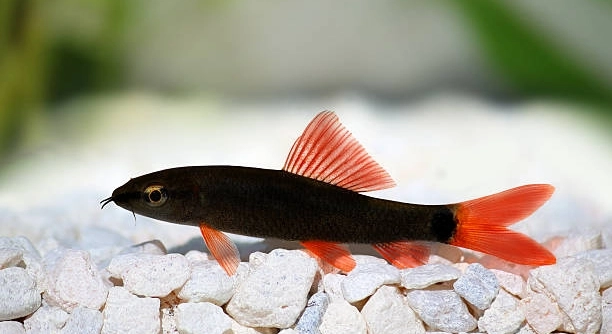
Rainbow sharks are popular freshwater fish known for their vibrant colors and active behavior. Many owners enjoy their unique appearance, but these fish can experience stress in captivity. Understanding what causes stress is important for their care.
Several factors can cause stress in rainbow sharks, including poor water quality, overcrowding, improper diet, sudden changes in environment, aggressive tank mates, inadequate hiding places, and inconsistent lighting. These stressors can negatively impact their health and behavior if not properly managed.
Knowing the common causes of stress helps improve your rainbow shark’s well-being and creates a healthier environment for them to thrive in.
Poor Water Quality
Maintaining clean water is essential for rainbow sharks. These fish are sensitive to ammonia, nitrites, and nitrates, which can build up quickly in an unfiltered or poorly maintained tank. High levels of these substances cause stress and weaken their immune systems. Regular water changes and testing help keep water parameters safe. Temperature fluctuations can also add stress, so it’s important to keep the water stable between 72 and 79 degrees Fahrenheit. A well-functioning filter and a proper cycling process before adding fish are critical steps. Without these, the fish may become lethargic or show signs of illness. Keeping water clean supports their natural behavior and vibrant colors.
Regular testing and water changes can prevent many health problems for your rainbow shark.
Taking time to monitor water conditions and using a reliable filter system keeps your fish comfortable. Adding plants and decorations can also improve water quality by providing oxygen and reducing stress. Remember, a healthy tank means a happier rainbow shark.
Overcrowding and Aggressive Tank Mates
Too many fish in one tank or aggressive companions can increase stress levels for rainbow sharks. These fish are territorial and need space to swim freely. Overcrowding leads to competition for food and hiding spots, causing anxiety. Aggressive tank mates may chase or nip at rainbow sharks, harming them physically and mentally. Choosing peaceful, compatible species and providing enough space helps reduce these conflicts. Each rainbow shark needs at least 30 gallons of space. Proper tank size and careful selection of tank mates create a calm environment and encourage natural behavior.
Improper Diet
Feeding your rainbow shark the wrong food can cause stress and health problems. They need a balanced diet rich in protein and nutrients to stay healthy and active.
A poor diet lacking essential nutrients weakens their immune system and affects their growth. Overfeeding or giving too many flakes can lead to obesity and poor water quality due to leftover food. It’s best to offer high-quality sinking pellets, occasional live or frozen foods, and fresh vegetables like zucchini or cucumber. Feeding small amounts two to three times daily helps maintain their energy levels and natural behavior. A varied diet supports their vibrant colors and overall well-being.
Avoid feeding only one type of food, as it can cause nutritional deficiencies. Observing your rainbow shark’s eating habits and adjusting portions prevents stress and promotes long-term health. Consistency in diet is key to keeping your fish thriving.
Sudden Changes in Environment
Sudden changes, like moving the tank or switching water sources, can upset your rainbow shark. They rely on stable conditions to feel secure.
Stress from abrupt changes may lead to hiding, loss of appetite, or increased aggression. Gradual acclimation to new water or rearranged tank elements reduces this stress. When moving fish or changing water, introduce new conditions slowly over several days. Use temperature-matched water and test for pH and hardness to minimize shock. Maintaining a consistent routine in feeding and lighting also helps the fish adjust comfortably to changes. Being mindful of these details keeps your rainbow shark calm and healthy.
Inadequate Hiding Places
Rainbow sharks need places to hide to feel safe and reduce stress. Without enough shelters, they may become anxious or aggressive.
Adding caves, plants, and decorations helps create a secure environment. These hiding spots allow your fish to rest and escape when needed.
Inconsistent Lighting
Lighting affects rainbow sharks’ behavior and stress levels. Sudden changes or overly bright lights can disturb their natural rhythm.
Use a timer to maintain a consistent light cycle, around 10 to 12 hours per day. Soft, indirect lighting is best to mimic their natural habitat and keep them comfortable.
Tank Size
Rainbow sharks require sufficient space to swim and establish territory. Small tanks cause stress and limit their movement, leading to health issues.
FAQ
What signs show my rainbow shark is stressed?
Stress in rainbow sharks often appears as hiding more than usual, loss of appetite, dull coloration, or erratic swimming. They may also show aggression or stay at the bottom of the tank. Observing these changes early can help prevent health problems.
How often should I change the water?
Changing about 20-30% of the water every week helps maintain good water quality. Regular changes reduce harmful chemicals and keep the environment stable. Avoid changing too much water at once, as this can shock your fish.
Can I keep rainbow sharks with other fish?
Yes, but choose peaceful tank mates that won’t compete aggressively for space. Avoid small, slow fish or other territorial species. Good companions include certain tetras, danios, and peaceful bottom dwellers. Always watch for signs of aggression.
What is the best diet for a rainbow shark?
A balanced diet includes high-quality sinking pellets as a staple, supplemented with live or frozen foods like bloodworms and brine shrimp. Adding vegetables like zucchini or peas supports their health. Feed small amounts twice daily.
How big should the tank be?
At least 30 gallons is recommended for one rainbow shark. Larger tanks provide more swimming space and reduce territorial stress. If keeping more than one, increase tank size accordingly to avoid overcrowding.
How do I keep the water temperature stable?
Use a reliable aquarium heater and thermometer to maintain temperatures between 72 and 79°F. Avoid placing the tank near windows or drafts to prevent fluctuations. Stable temperature helps reduce stress and supports immune function.
What causes water quality to decline quickly?
Overfeeding, overcrowding, and inadequate filtration lead to rapid buildup of ammonia and nitrates. Uneaten food and waste decompose, harming fish. Regular maintenance and appropriate stocking levels help keep water clean.
How can I reduce aggression in the tank?
Provide plenty of hiding places and sufficient space for each fish. Avoid mixing overly aggressive species. Feeding regularly and maintaining good water quality also reduces stress that can trigger aggression.
Why is my rainbow shark hiding all the time?
Hiding often indicates stress or illness. It may be due to poor water conditions, aggressive tank mates, or lack of shelter. Check water parameters and tank setup, and consider a health check if behavior persists.
Can lighting affect my fish’s stress?
Yes, harsh or irregular lighting can upset rainbow sharks. Using a timer to provide consistent light and dark periods mimics natural cycles and keeps fish calm. Soft lighting is preferable to bright or direct light.
Is it normal for rainbow sharks to nip fins?
Sometimes they nip fins when stressed or competing for territory. This behavior increases with overcrowding or incompatible tank mates. Addressing tank conditions and providing hiding spaces helps minimize fin nipping.
How do I acclimate a new rainbow shark to my tank?
Introduce new fish slowly by floating the bag in the tank to equalize temperature, then gradually mix tank water into the bag over an hour. This reduces shock from water differences and helps the fish adjust comfortably.
What should I do if my rainbow shark shows signs of illness?
Test water quality immediately and correct any issues. Quarantine the fish if possible, and consult a vet or aquarium specialist for treatment options. Early intervention improves recovery chances.
How can I maintain a healthy environment long-term?
Regular water testing, consistent feeding, proper filtration, and tank cleaning are key. Observing your fish daily for changes in behavior or appearance helps catch problems early. A stable environment supports a healthy, stress-free rainbow shark.
Final Thoughts
Taking care of a rainbow shark means paying close attention to its environment and needs. These fish are sensitive to many factors, such as water quality, tank size, and the behavior of other fish around them. When any of these are not ideal, the rainbow shark can become stressed, which affects its health and lifespan. Regular maintenance of the tank, including water changes and monitoring water parameters, is essential. This helps keep the fish comfortable and reduces the risk of illness caused by poor conditions.
It is also important to consider the space your rainbow shark has. A small or overcrowded tank can lead to stress and aggressive behavior. These fish need room to swim and establish their territory. Providing enough hiding spots and choosing peaceful tank mates helps create a more balanced and calm environment. Feeding your rainbow shark a varied and nutritious diet supports its overall well-being and bright colors. Paying attention to how your fish behaves and eats will help you notice any signs of trouble early.
Being mindful of these factors improves the quality of life for your rainbow shark. Stability in lighting, water temperature, and the tank setup contributes to reducing stress. Small changes or sudden moves can disturb them, so it is best to make adjustments gradually. Watching your rainbow shark closely and responding to its needs creates a healthier and happier fish. With proper care and attention, your rainbow shark can thrive and remain a beautiful, active part of your aquarium.

Hello,
If you enjoy the content that we create, please consider saying a "Thank You!" by leaving a tip.
Every little bit helps us continue crafting quality advice that supports the health, happiness, and well-being of pets around the world, for pets of all shapes, sizes, and species.
We really appreciate the kindness and support that you show us!