
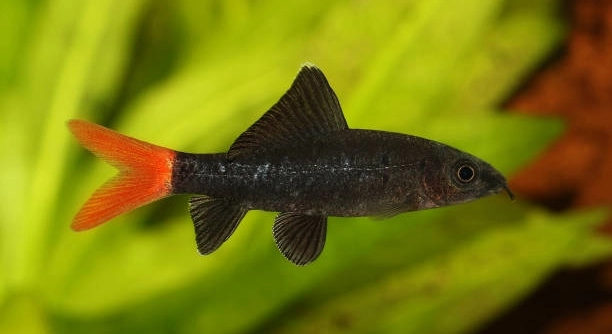
Many aquarium owners enjoy keeping rainbow sharks for their active nature and striking appearance. Changes in their tank environment can be stressful for these fish. Knowing how to help them adjust smoothly is important for their well-being and longevity.
Helping your rainbow shark adjust to tank changes involves maintaining stable water conditions, gradually introducing new elements, and minimizing sudden disturbances. Proper acclimation techniques and monitoring their behavior closely can reduce stress and promote a healthy transition in their habitat.
Understanding these tips can improve your fish’s comfort during tank changes. This knowledge supports a healthier environment and a happier rainbow shark.
Prepare the Tank in Advance
Preparing the tank before introducing any changes is essential for your rainbow shark’s comfort. Start by cleaning the tank thoroughly to remove debris and waste that could cause stress or health problems. Check the water parameters such as temperature, pH, ammonia, nitrites, and nitrates to ensure they are within the optimal range for rainbow sharks. Setting up proper filtration and aeration will help maintain a stable environment. Adding hiding spots like plants or decorations can give your fish a sense of security. Avoid making multiple changes at once; introduce one adjustment at a time to help your rainbow shark adapt more easily. Preparing the tank carefully reduces the risk of shock and allows your fish to feel more secure in their habitat.
Tank preparation helps prevent sudden stress and supports your rainbow shark’s health during changes.
Careful preparation is key to creating a safe environment. A well-maintained tank reduces harmful toxins and sudden shifts in water conditions. When your rainbow shark finds familiar surroundings with clean water and adequate hiding places, it is more likely to explore confidently. This sense of security can lessen aggressive or shy behavior that sometimes occurs with changes. Taking the time to set up the tank properly also means fewer surprises later, such as algae blooms or illness. Gradual and planned adjustments show respect for your fish’s natural needs and contribute to a smooth transition.
Gradual Introduction of New Elements
Introducing new decorations, plants, or tank mates should be done slowly. Sudden additions can overwhelm your rainbow shark and increase stress levels. Start by placing new items outside the tank so the fish can observe them without feeling threatened. After a few days, add one item at a time, allowing your fish to explore and adjust. Monitor their behavior closely for signs of stress or aggression. Avoid rearranging the tank layout completely in one go, as this can confuse your fish. Gradual changes help maintain a stable environment and reduce anxiety during transitions.
Monitor Water Quality Consistently
Maintaining consistent water quality is crucial for your rainbow shark’s health. Regular testing ensures the environment stays stable and free from harmful chemicals. Changes in water parameters can cause stress or illness quickly.
Use a reliable test kit to check temperature, pH, ammonia, nitrite, and nitrate levels weekly. Keep the temperature steady between 74°F and 80°F, and pH around 6.5 to 7.5. Frequent water changes, about 20-30% weekly, help remove toxins and keep the water clean. Avoid overfeeding as leftover food can pollute the tank and worsen water quality. Consistency in water care supports your rainbow shark’s immune system and reduces stress.
Keeping a log of your water tests helps track trends and catch problems early. If parameters shift suddenly, take immediate action to correct them. This attention to detail improves your fish’s overall well-being and promotes a smooth adjustment to any tank changes.
Provide Hiding Places and Comfort
Hiding spots reduce stress by offering security when your rainbow shark feels uneasy. Decorations, caves, or dense plants serve as retreats from bright light or tank mates. Position these in quiet areas to encourage natural behavior.
Choose sturdy, smooth decorations that won’t injure your fish. Live plants improve water quality and create a natural environment. Regularly check hiding spots for cleanliness and safety. Comfortable spaces help your rainbow shark relax, making adaptation easier after changes. The more secure your fish feels, the healthier and more active it will be over time.
Control Lighting Changes
Sudden shifts in lighting can unsettle your rainbow shark. Adjust lighting gradually to avoid stress. Use a timer to keep a consistent day-night cycle.
Avoid bright or flashing lights near the tank. Soft, stable lighting encourages natural behavior and helps your fish feel secure.
Maintain a Stable Temperature
Keep the water temperature steady between 74°F and 80°F. Rapid temperature changes cause stress and can weaken your fish’s immune system. Use a reliable heater with a thermostat to regulate the tank temperature consistently.
Observe Behavior Regularly
Watch your rainbow shark daily for changes in activity or appetite. Early detection of stress or illness allows for timely intervention, which improves outcomes and supports recovery.
FAQ
How long does it take for a rainbow shark to adjust to tank changes?
Adjustment time varies depending on the severity of the changes and the individual fish’s temperament. Generally, it can take from a few days up to two weeks. Minor changes like adding a decoration may cause little stress, while major changes such as new tank mates or water parameter shifts may require longer. Patience during this period is important. Keeping the environment stable and monitoring your fish’s behavior helps ensure a smooth transition. Avoid rushing further changes until your rainbow shark appears calm and active again.
What signs show that my rainbow shark is stressed from tank changes?
Stress signs include hiding more than usual, loss of appetite, erratic swimming, or staying near the surface or bottom without moving much. Color fading and clamped fins are also indicators. Stress weakens their immune system, making them more vulnerable to disease. If these signs appear, check water quality immediately and reduce any further disturbances. Providing hiding places and maintaining stable conditions can help your fish regain comfort and confidence in the new environment.
Can sudden water changes harm my rainbow shark?
Yes, sudden changes in water parameters such as temperature, pH, or chemical levels can shock your fish. This shock may lead to stress, illness, or even death. Always perform gradual water changes by mixing tank water with new water slowly, and test parameters beforehand. Use a dechlorinator and match temperature closely. Keeping changes gradual allows your rainbow shark’s body to adjust without harm, reducing the risk of shock and helping maintain good health.
How often should I clean the tank when making changes?
Regular cleaning is important but should not be excessive. During changes, cleaning once a week is usually sufficient unless there are visible waste or algae buildups. Over-cleaning can remove beneficial bacteria, disrupting the tank’s balance. Focus on removing debris and performing partial water changes of 20-30%. Maintaining filter media is crucial but avoid complete replacement to keep the biological filter intact. This balance supports a healthy environment and helps your rainbow shark settle after changes.
Are tank mates necessary for rainbow sharks, and do they affect adjustment?
Rainbow sharks are semi-aggressive and territorial, so careful selection of tank mates is necessary. Compatible species can reduce stress by preventing loneliness, but overcrowding or aggressive tank mates increase stress during changes. Introducing new fish should be done slowly, with monitoring. Avoid housing rainbow sharks with small or slow-moving species that may be bullied. The right companions can encourage natural behavior and reduce stress, but poor tank mate choices make adaptation harder.
What should I feed my rainbow shark during tank transitions?
During transitions, offer a varied diet rich in protein to support immune health. High-quality pellets, frozen or live foods such as bloodworms and brine shrimp are good choices. Feed small amounts two to three times daily to encourage appetite without polluting the tank. If stress causes a temporary loss of appetite, reduce feeding slightly but do not starve the fish. A balanced diet helps your rainbow shark stay strong and better able to cope with environmental changes.
Is it necessary to quarantine a rainbow shark before introducing it to a changed tank?
Quarantining new or returning fish before adding them to an established tank is highly recommended. This prevents spreading diseases that can occur during changes when fish are more vulnerable. A separate quarantine tank for two to four weeks allows observation and treatment if needed. This practice protects your rainbow shark and other tank inhabitants by reducing the risk of infection and stress. Proper quarantine is a good precaution during any tank transition.
How can I reduce aggression in a rainbow shark after tank changes?
Aggression often increases when the environment changes suddenly. Providing ample hiding spaces and visual barriers can reduce territorial disputes. Avoid overcrowding and keep similar-sized fish together. Gradually introduce new tank mates and rearrange decorations slowly to minimize stress-induced aggression. If aggression persists, consider increasing tank size or separating aggressive individuals temporarily. Reducing stressors and promoting a stable environment helps keep your rainbow shark calmer and more sociable.
What role does lighting play in a rainbow shark’s adjustment?
Lighting affects your rainbow shark’s behavior and stress levels. Sudden bright lights or inconsistent lighting cycles can cause anxiety and erratic swimming. Using a timer to maintain a regular day and night cycle helps regulate their internal clock. Soft, diffused lighting mimics natural conditions and encourages normal activity. Gradual changes to lighting conditions prevent shocks and support your fish’s adaptation to a changing tank environment.
Should I handle my rainbow shark during tank changes?
Handling fish causes stress and should be avoided unless absolutely necessary. During tank changes, try to limit disturbances by not netting or moving your rainbow shark unless it is for health reasons. Let the fish acclimate naturally to the new environment with minimal interference. If handling is needed, do so gently and quickly to reduce stress. Minimizing contact supports a smoother adjustment and better overall health.
Helping your rainbow shark adjust to changes in its tank is an important part of keeping this fish healthy and happy. Rainbow sharks are sensitive to sudden changes in their environment, which can cause stress and affect their well-being. Taking the time to prepare the tank properly, maintain stable water conditions, and introduce new elements slowly can make a big difference. When these steps are followed, your fish is more likely to feel secure and comfortable, which supports its overall health.
Consistency in care is essential during any transition. Monitoring water quality regularly, keeping the temperature steady, and providing places for your rainbow shark to hide help reduce stress. Observing your fish’s behavior is also important to detect any signs of discomfort or illness early. When a problem is noticed, quick action can prevent it from worsening. Feeding a balanced diet and avoiding overfeeding support the immune system, helping your rainbow shark better handle changes. Small, gradual adjustments in lighting and tank layout can also contribute to a calmer fish.
Overall, patience and attention to detail will make the adjustment period easier for your rainbow shark. Avoid rushing changes or making multiple adjustments at once. Each fish responds differently, so allow time for your rainbow shark to adapt at its own pace. Keeping the environment clean, stable, and comfortable will promote a healthy and active fish. These simple but important steps can ensure that your rainbow shark continues to thrive even when its tank environment changes.

Hello,
If you enjoy the content that we create, please consider saying a "Thank You!" by leaving a tip.
Every little bit helps us continue crafting quality advice that supports the health, happiness, and well-being of pets around the world, for pets of all shapes, sizes, and species.
We really appreciate the kindness and support that you show us!