
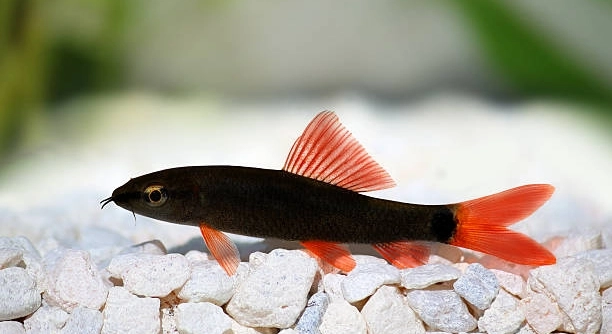
Managing the territory of a Rainbow Shark can be challenging for many aquarium owners. These fish are known for their active behavior and territorial nature. Proper management helps maintain harmony in the tank and promotes the well-being of all fish.
Effective management of a Rainbow Shark’s territory involves understanding its natural behaviors and providing enough space, hiding spots, and compatible tank mates. Establishing clear boundaries reduces aggression and stress, ensuring a stable environment for the fish to thrive.
Knowing how to handle territorial issues can improve the overall health of your aquarium. These tips will help create a peaceful and balanced aquatic environment for your Rainbow Shark.
Understanding Rainbow Shark Behavior
Rainbow Sharks are naturally territorial fish that prefer to claim specific areas in the aquarium. Their behavior includes chasing other fish away from their space, especially those with similar shapes or colors. This territorial instinct helps them feel secure but can lead to aggression if the tank is too small or overcrowded. They are most active during the day and tend to patrol the borders of the tank or around decorations. Knowing these patterns is essential for managing their territory effectively. Providing plenty of hiding spots and visual barriers helps reduce stress and conflicts. When the environment meets their needs, Rainbow Sharks are less likely to be aggressive and more likely to display natural, healthy behavior. Observing your fish regularly will help you notice when territorial disputes arise and allow you to adjust the tank setup accordingly.
Controlling tank size and decoration is key to reducing territorial disputes among Rainbow Sharks.
Proper tank conditions ensure a balanced environment, which lowers aggression and encourages peaceful coexistence with other fish.
Setting Up the Right Aquarium Environment
Creating a suitable aquarium environment is critical for managing Rainbow Shark territory. A tank of at least 30 gallons is recommended, with plenty of swimming space and areas to retreat. Use rocks, plants, and driftwood to break sightlines and establish natural boundaries. These decorations provide shelter and reduce direct confrontations by limiting open areas. Substrate choice also matters; soft sand or fine gravel is preferred to mimic their natural habitat. Water parameters should be stable, with temperatures between 72-79°F and pH around 6.5-7.5. Regular maintenance keeps water quality high, which helps reduce stress. Introducing tank mates that are non-aggressive and different in shape can minimize competition. Avoid overcrowding, as this increases tension. By creating a well-structured environment, you support the Rainbow Shark’s natural behavior and prevent territorial disputes from escalating.
Proper tank setup balances space and hiding spots, making it easier to manage your fish’s territory.
Choosing Compatible Tank Mates
Rainbow Sharks can be aggressive, so selecting peaceful and fast-swimming tank mates reduces conflicts. Avoid slow or similarly shaped fish that may trigger territorial behavior.
Tank mates like danios, barbs, and larger tetras work well. They stay active and keep to different tank areas, which limits direct competition for space. Avoid housing multiple Rainbow Sharks together unless the tank is very large, as they tend to fight for territory. Proper selection of tank mates supports a balanced community and lowers stress on all fish. This helps maintain a calm environment where each fish can thrive without frequent disputes.
Feeding Practices to Reduce Aggression
Feeding Rainbow Sharks properly helps limit aggression. Provide a varied diet including pellets, flakes, and occasional live or frozen foods. Feed small amounts multiple times daily rather than one large feeding. This reduces competition during meal times and decreases aggressive chasing. Uneaten food should be removed promptly to maintain water quality.
Inadequate feeding or inconsistent schedules may cause territorial disputes during feeding times. Keeping a regular feeding routine ensures the Rainbow Shark feels secure and less likely to guard its territory aggressively. Proper nutrition also supports overall health, making the fish less irritable and more tolerant of tank mates. This balanced feeding approach is key for managing territorial behavior effectively.
Monitoring Territory Signs
Pay close attention to signs of aggression like chasing, fin nipping, or hiding. Early detection allows you to take action before stress builds.
Regular observation helps identify which fish are causing tension. This can guide changes in tank layout or fish selection to ease conflicts and improve harmony.
Adjusting Tank Layout
Rearranging decorations and plants disrupts established territories. This reduces aggression by forcing Rainbow Sharks to establish new boundaries. Change the layout periodically to keep the environment dynamic. Adding more hiding spots and visual barriers can also help fish feel safer and less competitive.
Providing Adequate Space
A crowded tank increases territorial disputes and stress. Ensure your Rainbow Shark has enough room to swim freely and claim its own space.
Proper space prevents constant competition and promotes healthier behavior among all fish.
How large should my tank be for a Rainbow Shark?
A minimum tank size of 30 gallons is recommended for one Rainbow Shark. This provides enough swimming space and room to establish territory. Larger tanks help reduce aggression and allow for proper separation if keeping multiple fish or tank mates.
Can I keep more than one Rainbow Shark together?
Keeping more than one Rainbow Shark in a small tank often leads to fighting. If you want multiple Rainbow Sharks, a very large tank (75 gallons or more) with plenty of hiding places and visual barriers is necessary. Even then, monitor for aggressive behavior regularly.
What tank mates are best for Rainbow Sharks?
Peaceful, fast-swimming fish like danios, barbs, and larger tetras make good tank mates. Avoid slow or bottom-dwelling fish that resemble Rainbow Sharks in shape or color. These can trigger territorial behavior and cause fights.
How often should I feed my Rainbow Shark?
Feeding small amounts two to three times daily works best. This prevents competition over food and keeps the fish healthy. A varied diet with pellets, flakes, and occasional live or frozen foods is ideal.
What signs show my Rainbow Shark is stressed or aggressive?
Signs include constant chasing, fin nipping, hiding, or damaged fins. These behaviors indicate territorial disputes or poor tank conditions. Observing these early helps prevent serious injuries and reduces stress.
How do I reduce aggression in my tank?
Provide enough space, hiding spots, and visual barriers. Choose compatible tank mates and maintain good water quality. Rearranging tank decorations periodically can break up established territories and reduce fights.
Is it necessary to rearrange the tank decorations often?
Yes, occasionally changing the layout disrupts territorial boundaries. This forces Rainbow Sharks to establish new territories, which can lower aggressive behavior and help balance the tank’s social dynamics.
What water parameters are ideal for Rainbow Sharks?
Keep the temperature between 72-79°F and pH around 6.5-7.5. Stable water conditions with regular maintenance reduce stress and support the fish’s health, making territorial disputes less frequent.
Can Rainbow Sharks live with bottom-dwelling fish?
Rainbow Sharks are territorial about the bottom areas of the tank. It’s best to avoid keeping them with bottom dwellers that need similar space, as this often leads to conflict and stress.
How do I know if my tank is overcrowded?
If you see constant chasing, hiding, or frequent aggressive encounters, overcrowding might be the issue. A general rule is one inch of fish per gallon of water, but active territorial fish like Rainbow Sharks need more space.
What should I do if my Rainbow Shark is injured?
Isolate the injured fish in a quarantine tank if possible. Treat wounds with aquarium-safe antiseptics and maintain excellent water quality. Addressing aggression causes in the main tank helps prevent further injuries.
Are live plants helpful in managing territory?
Live plants provide natural hiding spots and help break lines of sight. This reduces direct confrontations and gives Rainbow Sharks places to retreat, which decreases territorial aggression.
How long does it take for Rainbow Sharks to establish territory?
Typically, Rainbow Sharks begin establishing territory within a few days of introduction to a new tank. Allowing the fish time to settle before adding new tank mates or rearranging decorations helps reduce stress.
What if my Rainbow Shark continues to be aggressive despite changes?
If aggression persists, consider increasing tank size, adding more hiding spots, or rehoming some fish. Sometimes, aggressive behavior is due to individual temperament and may require separate housing.
Can I keep Rainbow Sharks with other territorial fish?
It’s not recommended to keep multiple territorial fish together unless the tank is very large and heavily decorated. Overlapping territories often lead to fights and stress, affecting all fish involved.
This FAQ covers common concerns about managing Rainbow Shark territory. Proper tank size, compatible tank mates, feeding routines, and environment adjustments all contribute to a healthier and calmer aquarium.
Managing a Rainbow Shark’s territory requires attention to their natural behavior and needs. These fish are known for being territorial and sometimes aggressive, especially in smaller or crowded tanks. Providing enough space, suitable tank mates, and plenty of hiding places helps reduce stress and aggression. Observing their behavior regularly allows for timely adjustments that promote harmony in the aquarium. With proper care, Rainbow Sharks can live comfortably alongside other fish without constant conflict.
It is important to maintain stable water conditions and feed your Rainbow Shark a balanced diet on a regular schedule. Unstable water quality or irregular feeding can increase stress and cause more territorial disputes. Rearranging tank decorations from time to time can disrupt established territories, helping to reduce fighting. Choosing compatible tank mates that do not compete for the same space or look similar to Rainbow Sharks also minimizes aggression. These steps create a more peaceful environment for all fish.
Managing a Rainbow Shark’s territory is a continuous process that takes patience and attention. Small changes in tank setup or fish selection can make a significant difference in how your fish behave. By providing the right environment, keeping an eye on behavior, and responding to issues early, you can enjoy a healthier and calmer aquarium. This careful approach benefits not only the Rainbow Shark but all tank inhabitants, leading to a more balanced and enjoyable aquatic environment.

Hello,
If you enjoy the content that we create, please consider saying a "Thank You!" by leaving a tip.
Every little bit helps us continue crafting quality advice that supports the health, happiness, and well-being of pets around the world, for pets of all shapes, sizes, and species.
We really appreciate the kindness and support that you show us!