
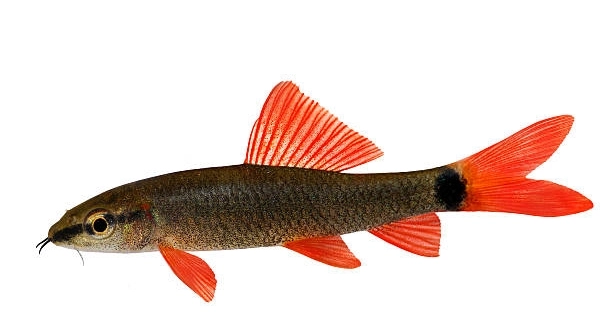
Rainbow sharks are popular aquarium fish known for their striking colors and active behavior. They can become lonely without proper care, which affects their well-being. Many owners want to ensure their fish remain healthy and content in their tanks.
Rainbow sharks require environmental enrichment, social compatibility, and proper tank conditions to prevent loneliness. Providing hiding spots, suitable companions, and maintaining clean water are essential for their mental and physical health.
Understanding how to meet these needs will help keep your rainbow shark thriving and reduce stress-related behaviors. This article explores practical ways to support your fish’s social and environmental needs.
Creating a Comfortable Habitat
A comfortable habitat is key to preventing your rainbow shark from feeling lonely. Start by providing plenty of hiding spots with plants, caves, or decorations. These offer your fish places to retreat and feel safe. Make sure the tank is large enough, ideally at least 30 gallons, to give your shark room to swim and explore. Proper water quality is essential, so keep the tank clean with regular water changes and good filtration. Rainbow sharks prefer dim lighting, so avoid overly bright tanks. The substrate should be smooth and soft to protect their delicate undersides. Maintaining a stable temperature around 72 to 79 degrees Fahrenheit helps keep your fish calm and healthy. By setting up a habitat that feels secure and stimulating, your rainbow shark will be less likely to exhibit signs of loneliness or stress.
A well-maintained habitat reduces stress, which is often linked to loneliness in rainbow sharks. They feel more at ease in a clean and safe environment.
A calm and secure tank environment helps the rainbow shark stay active and interact naturally. Hiding places reduce anxiety, while enough space allows for exploration and exercise. Keeping water parameters stable avoids health problems that might worsen behavioral issues. These factors combined support the shark’s overall well-being and decrease loneliness.
Choosing Compatible Tank Mates
Tank mates should be chosen carefully to avoid conflict with your rainbow shark. Ideal companions are peaceful fish that occupy different areas of the tank, such as mid or top swimmers. Avoid aggressive species or fish that are similar in size and shape, which may cause territorial disputes. Schools of small fish like tetras can provide social interaction without stress. Adding bottom-dwellers like Corydoras catfish can also complement the rainbow shark’s activity. Introducing new fish slowly and monitoring their behavior helps prevent aggression. Compatibility minimizes stress and supports a more natural social environment for your shark.
Selecting appropriate tank mates improves your rainbow shark’s social experience and reduces isolation.
Properly matched tank mates can create a balanced community where all fish coexist peacefully. Rainbow sharks can be territorial but thrive when sharing space with non-aggressive species. Schools of active fish provide movement and stimulation, keeping your shark engaged. Bottom-dwelling fish avoid competition for space, reducing tension. It’s important to avoid overcrowding, which increases stress and aggression. Gradual introductions allow your rainbow shark to adjust to new companions without feeling threatened. Observing interactions helps identify any problems early on. When done correctly, the right mix of fish helps your rainbow shark feel less lonely and more secure.
Feeding Routine Consistency
Keeping a consistent feeding routine helps your rainbow shark feel secure and reduces stress. Feeding at the same times each day supports their natural rhythm and prevents anxiety linked to hunger or unpredictability.
A steady feeding schedule allows your rainbow shark to anticipate food, which creates a sense of normalcy in their environment. Offering high-quality sinking pellets or wafers designed for bottom feeders ensures proper nutrition. Supplement their diet occasionally with live or frozen foods like bloodworms or brine shrimp for variety and added health benefits. Avoid overfeeding, as excess food can pollute the tank and harm water quality. Maintaining clean water is crucial to avoid stress and illness. A reliable feeding routine promotes both physical health and emotional well-being for your fish.
Consistent feeding supports natural behavior and keeps your rainbow shark active. When fish feel secure about food availability, they display fewer signs of nervousness or loneliness. Balancing nutrition with cleanliness helps create a healthy, stable habitat.
Environmental Enrichment
Adding environmental enrichment encourages natural activity and reduces boredom in your rainbow shark. Objects such as plants, rocks, and driftwood provide places to explore and interact with their surroundings.
Changing tank decorations periodically can refresh your fish’s interest without causing stress. Floating plants or gentle water currents simulate natural habitats, which promote mental stimulation. Environmental variety reduces repetitive behaviors often linked to loneliness or boredom. Introducing small rearrangements gives your rainbow shark new areas to investigate, supporting its curiosity and overall happiness. These simple adjustments help keep your fish engaged and healthy over time.
Monitoring Behavior Regularly
Watching your rainbow shark’s behavior helps detect signs of loneliness early. Look for changes like hiding, reduced activity, or aggression, which may indicate stress or boredom.
Regular observation allows timely adjustments to the tank environment or social setup, improving your fish’s well-being and preventing long-term problems.
Maintaining Water Quality
Consistently clean water is vital for your rainbow shark’s health and mood. Poor water conditions cause stress, which can increase feelings of isolation and anxiety in your fish. Use a reliable filter, test water parameters weekly, and perform partial water changes every one to two weeks. Keeping ammonia, nitrite, and nitrate levels low prevents illness and supports natural behavior. Healthy water encourages active swimming and interaction with the environment, reducing signs of loneliness. A clean tank creates a comfortable habitat where your rainbow shark can thrive.
Providing Adequate Space
Ensure your tank offers enough space to swim freely. Overcrowding increases stress and tension among fish.
A minimum of 30 gallons is recommended for a single rainbow shark to maintain comfort and reduce territorial conflicts.
FAQ
How can I tell if my rainbow shark is lonely?
Signs of loneliness in rainbow sharks include hiding more than usual, swimming erratically, or showing aggression towards tank mates. They may become less active or stop eating properly. These behaviors often point to stress or boredom caused by lack of social interaction or environmental stimulation.
Is it okay to keep more than one rainbow shark together?
Rainbow sharks are territorial and can be aggressive toward each other, especially in smaller tanks. If you want more than one, ensure your tank is large enough—at least 55 gallons—and provide plenty of hiding spots. Introducing them at the same time can sometimes reduce aggression.
What types of fish get along with rainbow sharks?
Peaceful species that occupy different tank levels work best. Tetras, gouramis, and Corydoras catfish are good options. Avoid fish similar in size or shape to rainbow sharks, as this can trigger territorial behavior.
How often should I feed my rainbow shark?
Feed your rainbow shark once or twice a day, offering only as much food as they can eat in 2-3 minutes. Overfeeding can pollute the water and cause health problems, so portion control is important.
What is the ideal tank size for a rainbow shark?
A minimum of 30 gallons is recommended for one rainbow shark. Larger tanks are better, especially if you keep multiple fish or want to add tank mates. Adequate space helps reduce stress and territorial disputes.
How do I maintain good water quality for my rainbow shark?
Use a reliable filter and test water parameters regularly. Perform partial water changes (about 25%) weekly or biweekly. Keep ammonia and nitrite at zero, and nitrate below 20 ppm. Stable water conditions keep your fish healthy and calm.
Can rainbow sharks live alone?
Yes, they can live alone but need environmental enrichment to prevent boredom. Proper tank setup, hiding places, and a consistent routine help them feel secure even without companions.
What should I do if my rainbow shark shows aggression?
Check if the tank is overcrowded or lacks hiding spots. Increasing tank size or rearranging decorations can reduce stress. Separating aggressive fish temporarily may be necessary. Also, review tank mate choices to avoid conflicts.
Are live plants beneficial for rainbow sharks?
Live plants provide hiding spots and improve water quality by absorbing nitrates. They help mimic a natural environment, which can reduce stress and support your fish’s well-being.
How can I enrich my rainbow shark’s environment?
Add decorations like caves, rocks, and plants to create hiding spots. Occasionally rearrange these items to stimulate exploration. Use gentle water currents or floating plants to simulate natural habitats.
Is it normal for rainbow sharks to be shy?
Rainbow sharks can be shy, especially when introduced to a new tank or environment. Providing hiding places and maintaining stable water conditions helps them feel more confident and active over time.
Can rainbow sharks recognize their owners?
While they don’t recognize people like some pets, rainbow sharks may learn to associate feeding times with your presence. This can lead to more interaction during feeding but doesn’t mean they form bonds like mammals.
What temperature is best for rainbow sharks?
Keep the tank temperature between 72 and 79 degrees Fahrenheit. Stable temperature within this range supports their health and reduces stress.
How do I introduce new fish to a tank with a rainbow shark?
Introduce new fish slowly by quarantining them first to prevent disease. Add them to the tank during feeding time to distract your rainbow shark. Monitor interactions closely to ensure there is no aggression.
What causes rainbow sharks to hide constantly?
Constant hiding may result from stress due to poor water quality, aggression from tank mates, or an inadequate environment. Check water parameters and tank setup, and consider adding more hiding spots or changing companions if needed.
Taking good care of your rainbow shark means paying attention to its environment and behavior. These fish need enough space, clean water, and a well-set tank to feel comfortable. Providing hiding places like plants or decorations helps them feel safe and reduces stress. It is important to keep the water quality high by testing regularly and doing water changes. When their home is clean and stable, rainbow sharks are more likely to be active and healthy. This makes it easier for them to avoid feeling lonely or anxious in the tank.
Choosing the right tank mates is another key factor. Rainbow sharks can be territorial, so peaceful fish that swim at different levels work best. Adding too many fish or the wrong type can cause fights or stress. Watching how your fish act every day helps you notice if something is wrong. If your rainbow shark seems shy, aggressive, or withdrawn, it may need changes in its tank or companions. Taking quick action can prevent bigger problems and keep your fish happier over time.
Finally, keeping a routine makes a big difference. Feeding your fish on a regular schedule and adding variety to their diet helps them stay healthy. Changing decorations now and then gives them a chance to explore new places, which reduces boredom. Small things like gentle water flow or dim lighting also improve their well-being. Overall, a rainbow shark needs a balanced environment and proper care to thrive. With attention and patience, you can help your fish avoid loneliness and live a full, healthy life.

Hello,
If you enjoy the content that we create, please consider saying a "Thank You!" by leaving a tip.
Every little bit helps us continue crafting quality advice that supports the health, happiness, and well-being of pets around the world, for pets of all shapes, sizes, and species.
We really appreciate the kindness and support that you show us!