
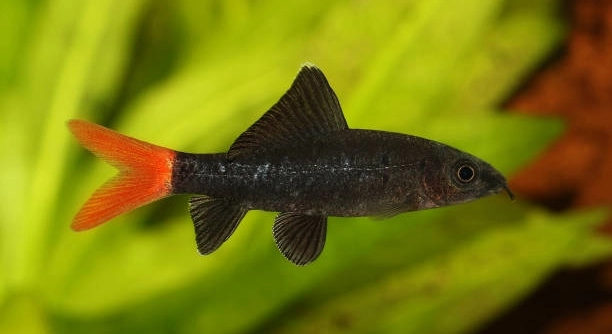
Keeping a rainbow shark in your aquarium can be rewarding, but these fish sometimes show territorial behavior that affects other tank mates. Managing their environment and habits helps maintain harmony in your aquatic community.
Rainbow sharks become territorial due to limited space, inadequate hiding spots, and competition for resources. Providing a spacious tank, plenty of shelters, and balanced feeding reduces aggressive behaviors and helps promote peaceful coexistence among fish.
Learning how to reduce territorial aggression improves your fish’s well-being and creates a calmer tank environment for all its residents.
Provide Enough Space in the Aquarium
Rainbow sharks need plenty of room to swim freely without feeling crowded. A tank smaller than 55 gallons can cause stress and increase territorial behavior. When they have more space, they are less likely to compete aggressively over territory. The ideal tank should include open swimming areas combined with places to hide, so each fish can establish its own space. Avoid overcrowding by limiting the number of fish and choosing compatible tank mates. Proper space reduces stress and aggression, helping your rainbow shark feel secure. Additionally, maintaining clean water with regular changes supports their health and overall calmness. Keeping the environment balanced and spacious is key to preventing territorial disputes among your rainbow sharks and other fish.
Creating a spacious environment is the first step toward a peaceful aquarium. It gives your rainbow shark room to roam and lowers conflict risks.
Carefully planning your tank size and layout ensures that each fish can claim its own area. This setup promotes a calmer and healthier aquarium where rainbow sharks thrive without unnecessary fights.
Add Plenty of Hiding Spots
Providing hiding places helps rainbow sharks feel safe and lowers territorial aggression. Rocks, plants, and decorations create natural barriers that reduce direct encounters. Hiding spots also give fish a break from constant visibility, which can trigger defensive behavior. Make sure to include various hiding options at different levels in the tank, allowing your rainbow shark and other fish to retreat when needed. These spots also help reduce stress, making your fish less likely to act aggressively. You can use smooth stones, caves, or dense plants to create a comfortable environment. Avoid overcrowding the tank with decorations, but place enough to create a balanced space where your rainbow shark feels secure.
Hiding spots break up the tank visually and give fish their own safe zones, reducing tension.
When fish have places to retreat, they are less likely to compete for the same space. This makes your aquarium environment more peaceful, with fewer territorial disputes and calmer behavior from your rainbow shark.
Maintain a Consistent Feeding Schedule
Feeding your rainbow shark regularly helps reduce competition and aggression. When food is scarce or irregular, territorial behavior often increases as fish compete for resources.
Providing food at the same times every day ensures that your rainbow shark knows when to expect meals, which lowers stress and territorial disputes. Use a balanced diet with high-quality pellets and occasional live or frozen foods. Overfeeding can also cause aggression, so avoid excess feeding. Spread the food evenly around the tank to prevent one fish from dominating the feeding area. Consistent feeding routines create a calm atmosphere where your rainbow shark feels less need to defend its space.
Feeding consistency supports your fish’s health and reduces conflicts in the tank. A well-fed rainbow shark is less likely to show territorial aggression, creating a more peaceful environment for all aquatic inhabitants.
Choose Compatible Tank Mates
Rainbow sharks can get territorial when kept with aggressive or slow-moving fish. Selecting tank mates that can coexist peacefully reduces conflict.
Choose fish with similar activity levels and avoid those that are overly aggressive or shy. Fast swimmers like danios or barbs work well with rainbow sharks because they occupy different levels of the tank and don’t compete for territory as much. Avoid small, delicate fish that might become targets for bullying. Introducing new fish gradually and monitoring their behavior helps maintain balance. Compatible tank mates create a less stressful environment where your rainbow shark is less likely to defend aggressively, improving overall harmony in your aquarium.
Keep the Tank Clean
A clean tank lowers stress and reduces aggressive behavior in rainbow sharks. Waste buildup can irritate fish and trigger territorial disputes.
Regular water changes and proper filtration keep the environment healthy. Test water parameters often to ensure safe conditions. Clean tanks promote calm behavior and support your rainbow shark’s well-being.
Monitor Behavior Closely
Watch your rainbow shark’s actions to spot early signs of aggression. Early intervention prevents serious conflicts.
If you notice increased chasing or fin nipping, consider rearranging the tank or adjusting fish numbers. Keeping a close eye helps maintain peace and keeps your fish healthy.
Rearrange Decorations Periodically
Changing the tank layout can reset territorial boundaries. Moving plants and decorations disrupts established dominance areas, reducing fights.
Avoid Overcrowding
Too many fish in one tank causes stress and leads to more aggression. Providing enough space is essential for harmony.
FAQ
Why is my rainbow shark so territorial?
Rainbow sharks are naturally territorial, especially in small or overcrowded tanks. Limited space and competition for hiding spots or food often trigger aggressive behavior. They instinctively defend their area to feel secure, especially if they cannot escape or find adequate shelter.
How big should my tank be to prevent territorial fights?
A tank of at least 55 gallons is recommended for rainbow sharks. This size gives them enough room to swim freely and establish their own territories without constant overlap with other fish. Larger tanks reduce stress and territorial aggression significantly.
Can I keep more than one rainbow shark in the same tank?
Keeping multiple rainbow sharks together can be risky unless the tank is very large and has plenty of hiding spots. They may become aggressive toward each other if they feel their space is threatened. It’s best to limit the number to one or provide ample space and barriers.
What types of tank mates work best with rainbow sharks?
Fast-moving, semi-aggressive fish like danios, barbs, and some tetras are good companions. These fish usually occupy different tank levels and won’t compete for the same territory. Avoid slow or shy fish that might be bullied or stressed by the rainbow shark’s behavior.
How often should I feed my rainbow shark?
Feed your rainbow shark once or twice daily, providing only as much food as they can consume in a few minutes. Overfeeding can cause water quality issues and lead to aggression as fish compete for excess food.
What should I do if my rainbow shark becomes aggressive?
Try rearranging the tank layout to disrupt established territories. Add more hiding spots and decorations to break up the space. If aggression continues, consider separating the aggressive fish or upgrading to a larger tank.
Are there signs my rainbow shark is stressed?
Signs include hiding excessively, loss of color, reduced appetite, and increased aggression. Stress can also weaken their immune system, making them prone to illness. Maintaining good water quality and a suitable environment helps prevent stress.
Can water conditions affect territorial behavior?
Yes, poor water quality or sudden changes in temperature and pH can stress rainbow sharks and increase aggression. Regular testing and maintaining stable conditions help keep your fish calm and healthy.
Is it okay to introduce new fish to an established tank with a rainbow shark?
Introducing new fish requires caution. Add new fish slowly and watch for signs of aggression. Rearranging the tank before adding new fish can help reduce territorial disputes by confusing established boundaries.
How do hiding spots reduce aggression?
Hiding spots provide refuge, allowing fish to avoid confrontations. They create physical barriers that limit direct contact, lowering the chance of fights. Well-placed shelters help rainbow sharks feel secure and reduce their need to defend territory aggressively.
Keeping a rainbow shark in your aquarium can be a rewarding experience, but managing their territorial behavior is important for a peaceful tank. These fish naturally defend their space, especially when the environment feels crowded or stressful. Giving them enough room, hiding spots, and a balanced routine helps lower aggression and keeps the whole tank calm. Paying attention to their needs and adjusting the setup when necessary can prevent many common issues related to territorial disputes.
A clean tank and consistent feeding schedule play a big role in supporting your rainbow shark’s health and behavior. Poor water quality or irregular feeding can increase stress, leading to more aggressive actions. It is essential to maintain good filtration and perform regular water changes to keep the environment safe and comfortable. Feeding the right amount at the same time each day reduces competition for food and helps your fish feel secure. These simple steps create a more stable environment that benefits all your aquatic pets.
Lastly, choosing the right tank mates and watching your fish closely helps maintain balance. Not all fish can live peacefully with a rainbow shark, so selecting compatible species reduces conflict. If problems arise, small changes like rearranging decorations or separating aggressive individuals may be needed. Keeping an eye on behavior and adjusting accordingly supports harmony in your aquarium. Overall, understanding your rainbow shark’s natural tendencies and providing proper care make a big difference in preventing territorial aggression.

Hello,
If you enjoy the content that we create, please consider saying a "Thank You!" by leaving a tip.
Every little bit helps us continue crafting quality advice that supports the health, happiness, and well-being of pets around the world, for pets of all shapes, sizes, and species.
We really appreciate the kindness and support that you show us!