
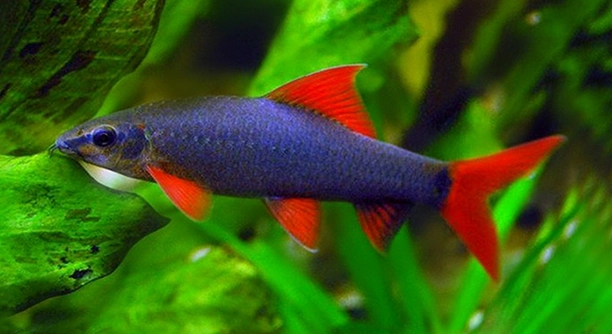
Is your rainbow shark not growing as expected or showing signs of poor appetite, even with regular feeding and a clean tank setup?
Providing the right nutrition for a rainbow shark involves offering a varied diet of high-quality sinking pellets, supplemented with fresh vegetables and occasional protein sources like bloodworms or brine shrimp. Balanced nutrition supports their health, color, and energy levels.
Feeding habits, food quality, and tank dynamics all play a role in your rainbow shark’s overall health—understanding these will help you create a more stable and nutritious environment.
Understand Their Natural Diet
Rainbow sharks are bottom-dwelling fish that feed on a mix of algae, plant matter, and small organisms in the wild. Replicating this in your tank means offering sinking pellets as a base diet, combined with fresh blanched vegetables like zucchini or spinach. Supplementing their meals with protein-rich snacks such as brine shrimp or bloodworms once or twice a week helps mimic their natural intake. Avoid feeding only flakes or floating food, as these don’t suit their feeding style and may leave them hungry. A varied diet supports not just growth but also their immune system and vibrant coloration.
Avoid overfeeding to reduce waste buildup and stress. Feed only what they can eat in two minutes.
Feeding them consistently in the same spot can reduce aggression. Rainbow sharks can become territorial, especially when food is scattered throughout the tank. A consistent routine helps keep things calm and focused during feeding time.
Choose High-Quality Foods
Low-quality fish food can lead to poor health and dull colors. Look for pellet or wafer-based food with a protein content above 35%, made specifically for bottom feeders.
Reading ingredient labels matters. Avoid foods loaded with fillers like wheat or soy, as these can bloat your fish and offer little nutrition. Instead, pick brands that use whole fish, shrimp meal, or spirulina as main ingredients. These support energy, digestion, and proper color development. Keep dry food sealed and stored in a cool area to maintain freshness. Rotate between two or three brands every few weeks to prevent nutritional gaps. Fresh vegetables should be thoroughly washed, lightly blanched, and given in small amounts to avoid cloudy water. Remove leftovers quickly to keep the tank clean.
Feed at the Right Time and Frequency
Rainbow sharks should be fed once or twice a day, depending on their age and activity level. Stick to a consistent schedule and avoid overfeeding, as leftover food can affect water quality and stress the fish.
Feeding in the morning and evening works well for most tanks. Younger, more active sharks may benefit from two smaller feedings a day, while mature fish often do fine with just one. Observe how much they eat in two minutes and adjust accordingly. If food remains after that time, you’re offering too much. Use feeding tongs or drop pellets directly to the tank bottom so the food reaches them easily. Avoid feeding floating foods or allowing food to scatter too much across the tank, which can trigger aggression or leave your rainbow shark underfed. Keep a feeding log if you’re unsure how often they’re eating or how much is being wasted.
Feeding too often can lead to bloating or digestive issues. It’s tempting to offer food every time your fish approaches the glass, but rainbow sharks are active swimmers and may appear hungry even when they’re not. Stick to a measured routine and avoid feeding out of habit. Consistency helps keep both your fish and your water clean.
Include Fresh Vegetables and Greens
Vegetables offer important nutrients that processed food can miss. Blanched zucchini, spinach, cucumber, and shelled peas are all good options. Offer small portions once or twice a week and remove any leftovers within a few hours to avoid clouding the tank water.
Chop vegetables into thin slices so they sink easily to the bottom. Blanch them by boiling for a few minutes and quickly cooling in ice water. This softens the texture without removing the nutrients, making it easier for the rainbow shark to nibble. Some fish prefer certain vegetables over others, so try a variety until you see what’s accepted. Spinach and zucchini are usually popular. Feed only what your fish can finish in a couple of hours and always rinse vegetables thoroughly before use. Uneaten vegetables should never be left overnight, as they can break down and cause ammonia spikes. Greens support digestion, provide fiber, and help maintain color and energy.
Offer Occasional Protein Treats
Bloodworms, brine shrimp, and daphnia can be given once or twice a week. These treats are high in protein and help support growth, especially in younger fish. Use frozen or freeze-dried versions, and avoid overfeeding to maintain tank cleanliness.
Portion size matters. A small pinch is usually enough per feeding. Thaw frozen food before use and avoid feeding live options, as they may introduce disease. These treats should not replace the main diet but act as a supplement for extra energy and variety.
Avoid Feeding Tankmates the Same Way
Rainbow sharks often eat differently from top or mid-level fish. Use sinking foods to make sure they get their share. Floating flakes or pellets may be eaten before the shark gets to them, leading to uneven feeding and stress. Feeding tools can help keep portions targeted.
Keep an Eye on Behavior
Aggression during feeding may mean food isn’t reaching your rainbow shark. Watch how they eat and adjust methods as needed. Stress or hiding after meals could also mean their diet isn’t right.
FAQ
What is the best food for a rainbow shark?
The best food for a rainbow shark is a high-quality sinking pellet or wafer designed for bottom feeders. Look for options with at least 35% protein and minimal fillers. Whole fish, shrimp meal, and spirulina should be among the top ingredients. These provide the nutrition your rainbow shark needs for growth, color, and energy. Supplement this base diet with fresh vegetables and occasional protein-rich treats like frozen bloodworms or brine shrimp. Rotate foods every few weeks to offer variety and prevent nutritional gaps. Stick to sinking foods, as floating ones often don’t reach them in time.
How often should I feed my rainbow shark?
Feed your rainbow shark once or twice daily, depending on their age and activity level. Younger fish may need two smaller meals a day, while mature ones usually do well with just one. Watch how much they eat in two minutes—if food is left behind, you’re feeding too much. Establishing a routine helps reduce stress and encourages predictable behavior. Try feeding at the same time each day and in the same spot to keep aggression low. Avoid feeding more than twice daily, as overfeeding can cause bloating and lead to poor water quality.
Can rainbow sharks eat vegetables?
Yes, rainbow sharks can eat vegetables and benefit from them. Blanched spinach, zucchini, cucumber, and peas are all good options. Slice vegetables thin so they sink and soften them by boiling for a couple of minutes. Feed vegetables once or twice a week in small amounts, and always remove leftovers within a few hours. Vegetables add fiber to their diet, aid digestion, and help support their immune system. Not all fish like the same veggies, so try a few types and see what your rainbow shark prefers. Always rinse vegetables well before use.
Is protein necessary for rainbow sharks?
Yes, but it should be offered in moderation. Protein is essential for healthy growth and maintaining energy levels. Use high-protein pellets as the base of their diet, and supplement with frozen or freeze-dried treats like bloodworms or brine shrimp. These should be fed only once or twice a week, as too much protein can strain their digestion and cause water issues. Stick to small portions and thaw frozen food before feeding. Protein treats are especially helpful for younger or more active fish that are still growing, but mature fish benefit from them as well.
Why is my rainbow shark not eating?
There are a few reasons a rainbow shark might stop eating. It could be stress from tank mates, poor water conditions, illness, or a sudden change in food. First, test your water to make sure everything is stable—ammonia, nitrite, and nitrate should all be in safe ranges. Check if the tank is overcrowded or if other fish are bullying or competing for food. Offer food directly near your shark using feeding tools and try different options like veggies or frozen treats. If nothing works, observe closely for signs of illness like spots, bloating, or unusual behavior.
Can I feed my rainbow shark tropical fish flakes?
While rainbow sharks may nibble on flakes, it’s not ideal. Flakes float and often get eaten by other fish before they reach the bottom. Rainbow sharks are bottom feeders, so they do better with sinking pellets or wafers. Flakes also tend to break down quickly and can cloud the water. If flakes are the only available option, try soaking and sinking them, but it’s best to invest in food made for bottom-dwelling species. Ensuring they get the right type of food helps avoid stress and ensures they receive enough nutrients.
How do I know if my rainbow shark is getting enough food?
Watch your fish during feeding times. If they actively search for food, eat steadily for about two minutes, and don’t lose weight or energy, they’re likely eating enough. On the other hand, if they’re hiding during feeding, look thinner, or become more aggressive, they may not be getting their share. Pay attention to the behavior of other tank mates too—some fish may be eating the food before it reaches the shark. Use sinking food, feed in the same spot, and occasionally hand-feed with feeding tools if necessary. Keeping a simple feeding log can help track patterns.
Final Thoughts
Feeding your rainbow shark the right way doesn’t have to be complicated. It comes down to offering a balanced mix of high-quality sinking pellets, occasional protein treats, and fresh vegetables. These fish are active bottom dwellers that need a steady routine and the right type of food to stay healthy and energetic. Giving them flakes or floating food may leave them underfed, especially in tanks with other fish that eat faster or feed near the surface. Paying attention to how they eat and making sure food reaches them is one of the easiest ways to avoid stress or aggression during feeding.
Stick to a simple routine. Feed once or twice a day, and only offer what they can finish in a couple of minutes. Remove any leftovers, especially vegetables, to keep your tank clean. Frozen treats like brine shrimp or bloodworms are fine once or twice a week, but they should never replace the main diet. Vegetables can be added weekly to boost fiber and give your rainbow shark a bit more variety. Keep an eye on behavior during feeding times—if your shark is hiding, acting more aggressive, or losing weight, it might not be getting enough food. Small changes to your routine can make a big difference.
Consistency is key. When rainbow sharks know when and where to eat, they become calmer and easier to care for. Take a few minutes each week to check your food storage, switch up brands if needed, and make sure you’re not overfeeding. Watch how your fish reacts to different types of food and don’t be afraid to make small adjustments over time. Nutrition plays a big role in your rainbow shark’s health, color, and behavior. With a little effort, you can create a feeding plan that works well for both your fish and your tank. Keeping things simple, clean, and steady will go a long way in supporting a healthy and happy environment for your rainbow shark.

Hello,
If you enjoy the content that we create, please consider saying a "Thank You!" by leaving a tip.
Every little bit helps us continue crafting quality advice that supports the health, happiness, and well-being of pets around the world, for pets of all shapes, sizes, and species.
We really appreciate the kindness and support that you show us!