
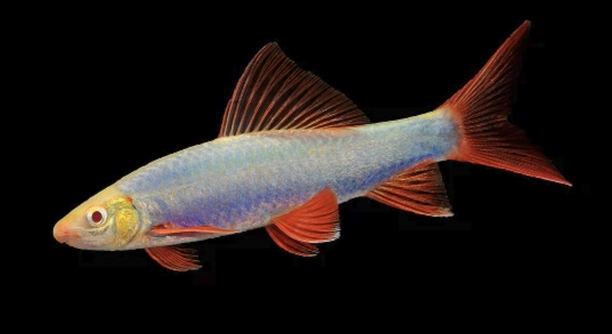
Do you ever find yourself wondering if your rainbow shark feels secure in its tank, especially when it’s hiding more than usual?
The best way to make sure your rainbow shark feels safe is by creating a calm, structured environment with enough hiding spaces, proper tank mates, and stable water conditions. These elements significantly reduce stress and promote healthy behavior.
From tank setup tips to behavioral insights, this article covers the small changes that can make a big difference for your rainbow shark.
Create a Calm Environment
Rainbow sharks can be sensitive to their surroundings, especially when there’s too much activity near their tank. Keeping the tank in a quiet part of your home helps lower their stress levels. Avoid placing it near loud electronics, constant foot traffic, or direct sunlight. These fish thrive in stable, calm spaces where lighting and movement are predictable. A dark or shaded area gives them a sense of security. Adding a background to the tank also helps block out movement outside the tank, giving your shark a chance to relax. You don’t need to keep things completely silent, but sudden noise or bright light changes can make them feel uneasy. Calm surroundings give your rainbow shark the space to settle into its tank, explore without fear, and behave more naturally. It’s an easy first step that makes a big difference in helping your fish feel at home.
Noise, movement, and bright lights can overwhelm rainbow sharks, especially when they are still adjusting. A quiet, low-traffic area can make them feel more secure from the start.
When your rainbow shark feels safe in its environment, it becomes easier to observe its normal behaviors. Calm surroundings give it a chance to come out from hiding and swim confidently across the tank. It may still dart into its favorite cave from time to time, but that’s completely normal. Once it begins to associate its home with safety, the signs are easy to notice—steady swimming, eating regularly, and fewer signs of stress. The more stable your tank’s placement, the better your fish will settle in. Don’t forget that the tank’s exterior environment plays just as much of a role as what’s inside. It may take a little while to see results, but allowing your rainbow shark to live in a peaceful spot is one of the most reliable ways to help it thrive.
Give It Places to Hide
Rainbow sharks feel much safer when they have hiding spots they can claim as their own. This is especially important in tanks with other fish.
Start by adding caves, plants, or tunnels your rainbow shark can retreat to. These hiding places help reduce stress and allow it to feel more in control of its space. A single large cave or a group of stacked rocks will give it a territory to claim, which is very important for this species. Live or artificial plants are also useful. They create cover while allowing your shark to move through them easily. Avoid overcrowding the tank, though. Too many decorations can make it feel boxed in. Try to create balance by leaving open swimming areas. Also, avoid sharp edges that could injure its fins. Think of these hideouts as safe zones your fish can return to anytime it feels uncertain. When your rainbow shark has space to retreat, it’s far more likely to stay calm and healthy.
Maintain Stable Water Conditions
Rainbow sharks do best when the water stays consistent. Sudden shifts in temperature or pH levels can make them anxious and lead to poor health. Keep things steady to help your fish feel safe every day.
Aim to keep the water temperature between 75–80°F and use a reliable heater to avoid fluctuations. The pH level should stay between 6.5 and 7.5. Test your tank water regularly, at least once a week, and do partial water changes to keep it clean. Dirty or unstable water often stresses rainbow sharks and causes them to hide more or lose their appetite. Ammonia and nitrite levels should be at zero, and nitrate should be kept low with regular maintenance. Use a filter that suits your tank size and provides enough water movement without being too strong. Clean the filter media as recommended to keep it running smoothly without disrupting the water balance.
If your rainbow shark seems restless or starts acting differently, check your water conditions right away. Even small changes in pH or temperature can upset them. Make sure to always treat tap water with a water conditioner before adding it to the tank. Use a thermometer and water test kit to keep an eye on everything. Stable conditions keep stress levels low and help prevent illness. If you stay consistent with your tank care routine, your rainbow shark will feel much more secure. A calm and steady environment really does make a difference for this type of fish.
Avoid Aggressive Tank Mates
Rainbow sharks are territorial and can become stressed when housed with aggressive or overly active fish. Choose tank mates that are peaceful and do not compete for space at the bottom of the tank.
Good companions include barbs, danios, or larger tetras. Avoid other bottom-dwellers like red-tailed sharks or other rainbow sharks, as they often lead to fights over space. If your tank is small or has limited hiding spots, even peaceful fish can become a problem. The key is to make sure everyone has enough space to swim freely and retreat when needed. Monitor the group early on and watch for signs of stress, such as chasing or hiding too much. Rearranging tank décor can sometimes help reduce territorial behavior. Always observe closely when adding a new fish, and be prepared to separate them if things don’t work out. Careful planning helps your rainbow shark feel safe and more relaxed.
Limit Reflections and Glass Disturbances
Rainbow sharks sometimes see their reflection in the tank glass and mistake it for another fish. This can cause them to become territorial or stressed. Dimming the lights or adding a background can help reduce reflections.
Tap the glass gently only when necessary. Constant tapping or vibrations can startle your rainbow shark and make it feel unsafe. Try to keep movement around the tank slow and predictable.
Feed a Balanced Diet
A healthy diet helps your rainbow shark feel secure and stay active. Offer a variety of high-quality sinking pellets, along with occasional treats like bloodworms or blanched vegetables. Feed them once or twice a day in small amounts they can finish in a few minutes. Uneaten food can harm water quality, so remove it quickly. Providing a regular feeding schedule builds trust and reduces anxiety, especially in a shared tank. Stick to the same times daily if possible. A balanced diet keeps them nourished and less likely to show signs of stress, such as hiding too much or becoming aggressive.
Keep Handling to a Minimum
Try not to net or move your rainbow shark unless it’s absolutely necessary. Too much handling breaks their sense of safety and may cause them to retreat or act out.
FAQ
How do I know if my rainbow shark feels safe in its tank?
When a rainbow shark feels safe, it swims calmly around the tank and sticks to a routine. It may rest in its favorite hiding spot but won’t stay there all the time. A relaxed shark will eat well, explore its surroundings, and not show sudden bursts of darting or aggression. You’ll notice it staying out in the open more often and moving smoothly through the tank. A stressed rainbow shark, on the other hand, may hide all day, refuse food, or chase tank mates. Consistent behavior is usually a good sign that your shark is settled and comfortable.
Why is my rainbow shark hiding all the time?
Constant hiding can be a sign of stress. It may be caused by poor water conditions, aggressive tank mates, or not enough hiding spots. Rainbow sharks are territorial and need places they can claim as their own. Without proper shelter or when feeling threatened, they will retreat and stay hidden most of the day. It can also happen in tanks that are too bright or placed in noisy areas. Check the setup, reduce distractions around the tank, and test the water quality. Once the issue is fixed, your rainbow shark should slowly become more active again.
Can I keep more than one rainbow shark in the same tank?
Keeping multiple rainbow sharks in one tank is not recommended unless you have a very large aquarium, usually over 125 gallons, with plenty of hiding spots. These fish are territorial and often fight with their own kind. In smaller tanks, this often leads to bullying, stress, or even injury. If you’re determined to try, make sure each fish has its own space and consider adding visual barriers like rocks or plants to block line of sight. Still, it’s usually safer and easier to keep just one rainbow shark per tank to avoid conflict.
Do rainbow sharks need tank mates to feel safe?
Rainbow sharks don’t need tank mates to feel secure. In fact, they sometimes do better on their own, especially if they’re new to a tank or still settling in. If you want to add other fish, choose peaceful mid- or top-level swimmers that won’t bother the shark’s space near the bottom. Avoid other territorial or bottom-dwelling fish. A well-decorated tank with enough room to swim and hide will do more for their sense of safety than adding companions. Always monitor new tank dynamics carefully to make sure the rainbow shark doesn’t act out or withdraw.
How often should I clean the tank to keep my rainbow shark comfortable?
Clean the tank regularly to maintain good water quality, which helps your rainbow shark feel calm and secure. A weekly 20–25% water change is a good routine. Use a gravel vacuum to remove debris from the substrate, and wipe down the glass if needed. Rinse filter media in tank water once a month to keep it working without harming helpful bacteria. Avoid deep cleaning everything at once, as this can upset the tank’s balance. Keeping the environment clean and stable helps reduce stress and supports long-term health.
What should I do if my rainbow shark is acting aggressive?
Aggression can be triggered by cramped space, poor tank layout, or certain tank mates. Try rearranging the decorations to break up territories and create new hiding spots. Remove any aggressive or very active fish that may be causing stress. Make sure the tank is large enough—at least 55 gallons for one rainbow shark—and has enough areas for swimming and retreat. Feeding at different spots can also help reduce competition. If aggression continues despite these changes, it may be best to house the rainbow shark alone. They can thrive solo as long as their environment is well set up.
Final Thoughts
Rainbow sharks are beautiful and active fish, but they need the right environment to feel safe. A calm tank setup with plenty of hiding places helps lower their stress and supports natural behavior. These fish do best when they have space to explore without being chased or disturbed. Simple things like choosing peaceful tank mates, keeping the tank in a quiet spot, and reducing reflections on the glass can go a long way. The more stable and predictable their surroundings are, the more confident they become. A stressed rainbow shark often hides, refuses food, or becomes aggressive. By noticing these signs early and making a few small changes, you can help your fish feel more comfortable in its home.
Taking care of a rainbow shark isn’t hard once you understand what they need. Clean water, a steady feeding schedule, and a good tank layout are key. They also do better when the tank isn’t too crowded or loud. These fish are territorial, so they often like having their own space. If your rainbow shark feels like it can’t claim a spot, it may start acting out. That’s why tank size and decorations matter so much. Giving your fish enough room and structure to feel secure makes a big difference. When their needs are met, rainbow sharks tend to settle down and show off their true colors—both in appearance and personality.
Even if your rainbow shark takes time to adjust, don’t worry. It’s normal for them to be shy at first or react to changes in their environment. Be patient and consistent with your care routine. Small efforts like regular water testing, gentle feeding, and reducing outside noise really do make an impact. Over time, you’ll learn what helps your fish feel safe and what doesn’t. Every rainbow shark is a little different, but most will respond well to calm, steady care. In the end, it’s about creating a space where your fish can live peacefully and show natural behavior. With the right setup and a little attention, your rainbow shark will feel at home—and you’ll enjoy watching it thrive.

Hello,
If you enjoy the content that we create, please consider saying a "Thank You!" by leaving a tip.
Every little bit helps us continue crafting quality advice that supports the health, happiness, and well-being of pets around the world, for pets of all shapes, sizes, and species.
We really appreciate the kindness and support that you show us!