
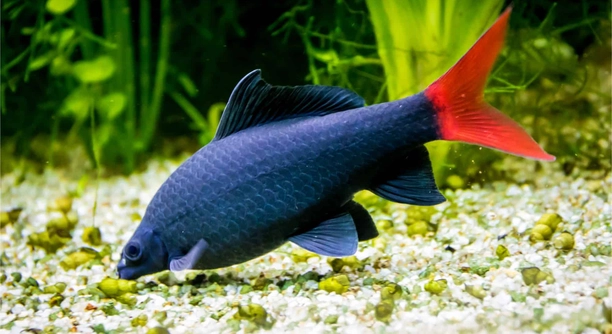
Are your rainbow sharks living in a cramped tank that might stress them out? Many fish owners struggle with overcrowding without realizing the impact on their pets. Ensuring enough space is important for healthy and happy rainbow sharks.
Overcrowding in rainbow shark tanks leads to increased aggression, poor water quality, and stunted growth. Proper tank size, population control, and environmental management are essential to prevent these negative effects and support the well-being of the fish.
Learning how to avoid overcrowding helps your rainbow sharks thrive and keeps their tank balanced and peaceful for everyone.
Choose the Right Tank Size
Selecting an appropriate tank size is the first step to avoid overcrowding your rainbow sharks. These fish need enough room to swim freely because they are active and territorial. A minimum of 30 gallons is recommended for one rainbow shark, with an additional 10 gallons for each extra fish. If the tank is too small, the fish can become stressed, leading to aggressive behavior and poor health. It’s also important to consider the shape of the tank. Longer tanks give more swimming space, which suits rainbow sharks better than tall, narrow tanks. Providing hiding spots with plants or decorations can help reduce territorial fights. Regular water changes and good filtration maintain water quality, which becomes harder to manage in smaller, crowded tanks.
A larger tank not only reduces stress but also helps maintain better water conditions and fish health overall.
Keeping tank size appropriate is a simple way to support your rainbow sharks’ well-being and prevent common problems related to overcrowding.
Monitor Fish Population Closely
Counting your fish regularly helps prevent overcrowding. It’s easy to add more fish than the tank can support if you’re not careful. Rainbow sharks are territorial and don’t do well when there are too many in one tank. Overpopulation leads to fights, stress, and unhealthy water. It’s best to limit the number of rainbow sharks according to tank size. For example, a 30-gallon tank should have only one or two rainbow sharks. Adding other peaceful fish can be okay but keep an eye on the total number to avoid crowding. Regular observation allows you to notice signs of stress early, such as hiding or aggressive chasing. If overcrowding happens, rehoming some fish or upgrading to a larger tank can help restore balance.
Monitoring population regularly keeps your tank peaceful and your fish healthy for longer.
Provide Plenty of Hiding Spaces
Hiding spots help reduce stress and aggression among rainbow sharks. These fish are territorial and need places to retreat.
Adding rocks, plants, and decorations creates natural barriers and private areas. Hiding spaces break up sight lines and help reduce confrontations. Use both live and artificial plants, along with caves or tunnels, to give variety. Make sure the tank layout allows each fish to claim a space, which lowers fighting. These areas also give the fish a sense of security, which improves their overall behavior. Without hiding spots, rainbow sharks can become aggressive or stressed, which harms their health. Creating a well-structured environment helps maintain peace in the tank and keeps the fish active and happy.
Plenty of hiding places are essential to managing territorial behavior and keeping your rainbow sharks calm.
Keep Water Quality High
Good water quality prevents many problems that come from overcrowding. Dirty water stresses fish and causes illness.
Regular water testing and changing at least 25% weekly keeps ammonia, nitrite, and nitrate levels low. Using a powerful filter designed for your tank size helps remove waste and toxins. Overcrowded tanks produce more waste, so cleaning is even more important. Avoid overfeeding, as uneaten food adds to pollution. Aeration improves oxygen levels, which supports fish health. Maintaining stable water parameters like pH and temperature reduces stress on rainbow sharks. Clear, clean water supports their immune system and behavior. When water quality is high, fish show better colors and activity, making the tank more enjoyable to watch.
Maintaining water quality is a key factor in preventing overcrowding-related issues and keeping fish healthy.
Avoid Overfeeding Your Fish
Feeding too much food can quickly pollute the tank and worsen overcrowding effects. Uneaten food breaks down and harms water quality.
Only feed what your rainbow sharks can eat in a few minutes. Overfeeding increases waste and promotes algae growth, making the tank environment unhealthy.
Choose Compatible Tank Mates
Rainbow sharks can be territorial, so choosing peaceful and similarly sized fish helps reduce aggression. Avoid overcrowding by selecting compatible species that share the space without conflict.
Proper tank mates keep the environment calm and reduce stress for all fish.
Regularly Clean the Tank
Cleaning the tank removes waste and prevents buildup of harmful substances. It keeps the tank environment safe for your rainbow sharks.
Routine maintenance includes gravel vacuuming, scrubbing surfaces, and filter cleaning.
Watch for Signs of Stress
Aggression, hiding, or loss of appetite can mean overcrowding or other issues. Recognizing these signs early helps you act quickly to protect your fish.
FAQ
How many rainbow sharks can I keep in one tank?
The ideal number depends on the tank size. For a 30-gallon tank, one rainbow shark is best. If you have a larger tank, add one more shark for every 10 to 15 gallons. Keeping more than this will likely cause overcrowding, leading to aggression and stress. Always consider tank shape and decorations, as these affect swimming space. It’s better to provide extra room than to squeeze too many fish in.
What size tank do rainbow sharks need?
Rainbow sharks need at least 30 gallons each to swim comfortably. Longer tanks are preferable because they provide more horizontal space for movement. Tanks with good filtration and aeration help maintain healthy water conditions, especially if you keep multiple fish. Adding hiding spots reduces territorial disputes and stress.
Can rainbow sharks live with other fish?
Yes, but tank mates must be chosen carefully. Peaceful, similarly sized fish work best. Avoid slow-moving or brightly colored fish, as rainbow sharks may bully them. Bottom-dwelling fish that occupy different parts of the tank can be good companions. Keep the total number of fish low enough to prevent overcrowding and water quality issues.
How do I know if my tank is overcrowded?
Signs include increased aggression, frequent chasing, hiding, and poor water quality like cloudy water or algae blooms. Fish may lose appetite or develop health problems. Regularly monitor fish behavior and test water parameters to catch problems early. If you see multiple signs, consider reducing the number of fish or upgrading your tank.
What should I do if my rainbow sharks fight?
Check if the tank is too small or lacks hiding spots. Rearranging decorations can break up territories. Sometimes, removing the most aggressive fish is necessary. Improving water quality and feeding the right amount also helps reduce stress-related fights. Providing plenty of space and cover usually calms the fish.
How often should I clean the tank?
A partial water change of 20-30% weekly is ideal. Clean the gravel with a vacuum during water changes to remove waste. Filter media should be rinsed in tank water monthly, but replaced less frequently to keep beneficial bacteria. Over-cleaning can harm the tank’s biological balance, so clean just enough to maintain clear water.
What type of filter works best for rainbow sharks?
Use a filter rated for your tank size with strong mechanical and biological filtration. Canister filters or hang-on-back filters are common choices. Good filtration helps manage waste from fish and uneaten food, keeping water clean and oxygenated. Avoid filters that create very strong currents, as rainbow sharks prefer moderate flow.
Can overcrowding affect the growth of my rainbow sharks?
Yes, overcrowded tanks often lead to stunted growth. Stress from fighting and poor water conditions reduces appetite and slows development. Giving your fish enough space and good water quality promotes healthy growth and vibrant colors. Overcrowding also weakens the immune system, making fish more vulnerable to disease.
How do hiding spots help with overcrowding?
Hiding spots break up the tank space, giving each fish a personal area. This reduces direct confrontations and stress. Fish feel safer when they have places to retreat, which lowers aggression. Using plants, caves, and decorations creates a more natural environment, which benefits both fish behavior and tank health.
Is it necessary to monitor water parameters regularly?
Yes, regular testing of ammonia, nitrite, nitrate, pH, and temperature is important. Overcrowded tanks produce more waste, increasing the risk of harmful chemical buildup. Maintaining stable water parameters prevents stress and illness in your rainbow sharks. Keeping a log of test results helps spot changes early and allows for timely intervention.
Taking care of rainbow sharks means paying close attention to their living conditions, especially to avoid overcrowding. Overcrowding can cause many problems, like stress, fights, and poor water quality. These issues affect the health and happiness of your fish. By choosing the right tank size and keeping the number of fish appropriate, you help create a peaceful and balanced environment. Providing enough space allows rainbow sharks to swim freely and behave naturally, which is very important for their well-being.
Creating a tank with plenty of hiding spots is another way to reduce stress and aggression. Rainbow sharks are territorial and need places where they can retreat and feel safe. Adding plants, rocks, or decorations helps break up the tank space and gives each fish its own area. This reduces fighting and makes the tank more comfortable for everyone. Keeping water clean and maintaining good water quality are also essential steps. Regular cleaning and proper filtration help remove waste and keep the water safe for your fish. When the water is healthy, your rainbow sharks will be more active and vibrant.
Finally, monitoring your fish regularly is key to preventing overcrowding problems. Watching their behavior and testing the water often helps catch issues before they become serious. If you notice signs of stress or aggression, it might be time to adjust the number of fish or upgrade your tank. Avoid overfeeding and choose compatible tank mates to maintain a peaceful atmosphere. Taking these simple steps ensures your rainbow sharks live healthier and longer. A well-maintained tank not only benefits your fish but also makes your aquarium more enjoyable to watch and care for.

Hello,
If you enjoy the content that we create, please consider saying a "Thank You!" by leaving a tip.
Every little bit helps us continue crafting quality advice that supports the health, happiness, and well-being of pets around the world, for pets of all shapes, sizes, and species.
We really appreciate the kindness and support that you show us!