
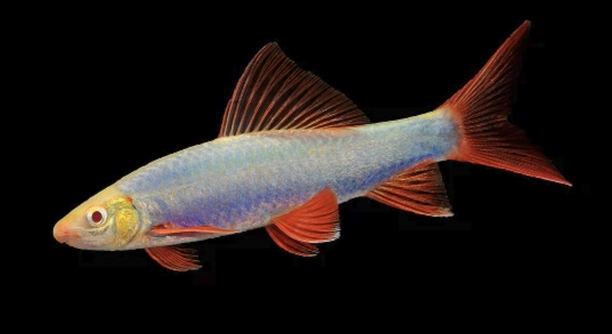
Keeping your Rainbow Shark healthy means paying attention to its diet and activity. These fish can easily gain weight if overfed or kept in a tank without enough space to swim. Proper care helps maintain their vibrant colors and energy.
Overfeeding is the primary cause of overweight Rainbow Sharks. Providing balanced portions and a diet suited to their needs prevents excessive weight gain. Additionally, ensuring they have enough room to swim promotes natural exercise, which supports healthy weight management.
Maintaining the right balance between diet and environment is essential. The following tips will help you care for your Rainbow Shark’s weight effectively.
Understanding Your Rainbow Shark’s Dietary Needs
Rainbow Sharks need a balanced diet that includes protein, vegetables, and occasional treats. Overfeeding, especially with high-protein flakes or pellets, can cause them to gain weight quickly. It’s important to feed them small amounts two to three times a day. Too much food leads to leftover waste, which can harm water quality and fish health. Incorporating vegetables like blanched spinach or zucchini helps provide fiber and prevent constipation. Also, avoid feeding them human food, as it may not suit their digestive system. Observing how much your fish eats in five minutes helps control portion sizes. Adjust feeding amounts if you see uneaten food after this time. Keeping track of feeding habits ensures your Rainbow Shark stays healthy and avoids becoming overweight, maintaining its active nature and vibrant color.
Feeding the right amount prevents most weight problems in Rainbow Sharks. Balanced portions help keep them fit and healthy.
Offering a diet with protein and vegetables keeps your Rainbow Shark energized without excess weight. Avoiding overfeeding protects their health, and providing varied food supports their digestive system. Observing feeding habits and adjusting portions when necessary helps maintain a healthy fish.
Creating an Active Environment
Providing enough space is key for your Rainbow Shark’s exercise. A tank of at least 30 gallons is ideal to allow swimming and exploration. Adding decorations and hiding spots encourages movement and reduces stress. Fish that swim actively burn calories and avoid weight gain. A tank with poor water flow or too crowded conditions limits their movement, causing them to become lethargic. Regular water changes improve water quality, which also supports their overall health. Watching how your Rainbow Shark behaves helps you notice if they are moving less or hiding too much, signs they might be stressed or unhealthy. Keeping the tank clean and spacious promotes an active lifestyle that prevents obesity in your fish.
Tank size and setup influence your Rainbow Shark’s activity level and health.
A well-maintained and spacious tank encourages your Rainbow Shark to swim more. Proper decorations offer mental stimulation and exercise opportunities. Ensuring good water quality and flow creates a healthy environment where your fish can thrive without gaining excess weight.
Monitoring Your Rainbow Shark’s Weight
Regularly checking your Rainbow Shark’s weight helps catch any issues early. Watch for changes in body shape, especially a swollen belly. Overweight fish often become less active and may hide more. Keeping notes on their appearance and behavior allows you to adjust care quickly if needed.
Tracking weight can be tricky without a scale, so use visual cues. A healthy Rainbow Shark has a sleek, streamlined body. If the belly looks rounder or the fish seems sluggish, it’s time to reassess feeding and tank conditions. Sometimes, weight gain is linked to illness, so monitor for other signs like difficulty swimming or loss of color.
If you spot weight changes, reduce feeding amounts gradually. Make sure the tank environment encourages swimming. Consulting with an aquarium specialist can help if the problem continues. Early intervention keeps your fish healthy and prevents long-term issues related to obesity.
Choosing the Right Food
Selecting high-quality food designed for Rainbow Sharks supports their health and weight. Avoid foods high in fat or fillers that contribute to excess calories. Look for pellets or flakes with balanced nutrients and added vitamins.
Feeding variety is important. Incorporate live or frozen foods like bloodworms or brine shrimp to provide protein without excess fat. Vegetables such as peas or spinach offer fiber and help digestion. Rotating food types prevents boredom and promotes balanced nutrition.
Be mindful of feeding schedules. Consistent, measured portions help regulate weight. Avoid frequent treats and snacks that add unnecessary calories. Proper food choice combined with controlled feeding habits maintains your Rainbow Shark’s ideal weight and well-being.
Avoid Overfeeding
Overfeeding is a common reason Rainbow Sharks gain weight quickly. Feeding smaller amounts at set times helps prevent leftover food and keeps the fish healthy.
Too much food can pollute the tank and cause health problems. Stick to feeding just what your fish can eat within a few minutes to avoid waste.
Keep the Tank Clean
A clean tank supports your Rainbow Shark’s health and activity. Remove uneaten food and waste regularly to maintain water quality.
Good water quality encourages swimming and digestion. Dirty water stresses fish, leading to less activity and weight gain. Regular cleaning helps maintain a healthy environment for your fish.
Use Tank Mates Wisely
Choose tank mates that won’t compete aggressively for food. Aggressive fish may cause your Rainbow Shark to overeat in response to stress or competition.
Peaceful tank mates create a calm environment. When fish aren’t stressed, they eat normally and stay active, reducing the risk of weight problems.
Provide Enrichment
Adding plants, rocks, and hiding places encourages natural behaviors. These stimulate your Rainbow Shark to explore and swim more often.
FAQ
How can I tell if my Rainbow Shark is overweight?
An overweight Rainbow Shark usually has a rounded belly that looks fuller than normal. Their body loses the sleek shape typical of healthy fish. They may also swim slower and hide more often than usual. Changes in behavior and appearance are the best clues to weight issues.
What should I do if my Rainbow Shark becomes overweight?
Start by reducing the amount of food you give each day. Cut back gradually to avoid stress. Check the tank size and water quality to ensure the fish has enough space and a clean environment. Encourage activity by adding decorations that promote swimming. If the fish doesn’t improve, consult a fish health expert.
Can feeding too often cause weight gain?
Yes. Feeding small amounts two to three times daily is enough. More frequent feeding can cause overeating and leftover food, which pollutes the water and leads to health problems.
Are certain foods better for controlling weight?
Foods high in fiber and low in fat help maintain a healthy weight. Vegetables like peas and spinach are good choices. Avoid fatty or filler-heavy foods. Live or frozen protein sources like bloodworms can be used occasionally.
How important is tank size in preventing obesity?
Tank size is very important. A minimum of 30 gallons provides enough room for swimming. Fish in cramped tanks tend to be less active, which increases the risk of weight gain. A spacious tank promotes exercise and reduces stress.
Can stress cause a Rainbow Shark to gain weight?
Stress can affect behavior and appetite. Some stressed fish eat less, while others may overeat or become lethargic. A calm environment with peaceful tank mates helps reduce stress and maintain normal eating habits.
Is it safe to skip a feeding if the fish seems full?
Yes, occasionally skipping a feeding is safe and can help prevent overeating. It gives the fish’s digestive system a break. However, don’t skip too often as it could lead to malnutrition.
How often should I clean the tank to support healthy weight?
Cleaning the tank weekly or biweekly is recommended. Remove uneaten food, waste, and do partial water changes to keep the water fresh. Clean water encourages active swimming and healthy digestion.
Can exercise help reduce my Rainbow Shark’s weight?
Encouraging swimming through tank setup and water flow supports weight control. Exercise helps burn calories and keeps muscles strong. Adding plants and hiding spots motivates movement and natural behavior.
Should I avoid treats to prevent weight gain?
Treats should be given sparingly. Too many treats add extra calories and can lead to weight gain. Use treats occasionally and choose healthy options like frozen foods or vegetables.
How do I measure the right portion size?
Feed an amount your fish can finish in about five minutes. If there is leftover food, reduce the portion next time. Keeping portions consistent helps control weight.
What signs show my Rainbow Shark is healthy?
A healthy Rainbow Shark has a streamlined body, bright colors, and active swimming behavior. It eats regularly but not excessively and interacts well with tank mates. Regular observation helps spot problems early.
Can weight issues cause other health problems?
Yes. Overweight fish are at risk for swim bladder problems, reduced lifespan, and weakened immune systems. Keeping your Rainbow Shark at a healthy weight supports overall health.
Is it necessary to consult a vet for weight problems?
If weight gain continues despite care changes or if the fish shows signs of illness, consulting a vet or aquarium specialist is wise. Professional advice can help address underlying issues.
How can I keep track of my Rainbow Shark’s health over time?
Keep a simple journal of feeding amounts, behavior, and appearance. Note any changes in swimming, color, or appetite. Tracking these details helps you notice trends and adjust care as needed.
Taking care of a Rainbow Shark’s weight is an important part of keeping the fish healthy and happy. These fish are active swimmers who need a balanced diet and enough space to move around. Overfeeding or not having a proper tank setup can easily lead to weight gain, which affects their health and behavior. Paying attention to how much and what you feed them, along with providing a good environment, helps keep them at a healthy weight.
It is important to observe your Rainbow Shark regularly. Notice changes in its body shape, swimming habits, and appetite. If the fish looks rounder or less active, it may be gaining too much weight. Adjusting feeding amounts and improving tank conditions can help fix the problem early. Keeping the tank clean and providing enough space encourages natural exercise, which supports weight control. Using good quality food with balanced nutrients and including vegetables in the diet also benefits their digestion and overall health.
By following these basic steps, you can prevent your Rainbow Shark from becoming overweight. This helps avoid health problems such as swim bladder issues or stress-related illnesses. Maintaining a healthy weight allows your fish to live longer and show its beautiful colors and active personality. With proper care, your Rainbow Shark will thrive, making your aquarium a pleasant and lively place. Regular care and attention are simple but effective ways to ensure your fish stays in good shape.

Hello,
If you enjoy the content that we create, please consider saying a "Thank You!" by leaving a tip.
Every little bit helps us continue crafting quality advice that supports the health, happiness, and well-being of pets around the world, for pets of all shapes, sizes, and species.
We really appreciate the kindness and support that you show us!