
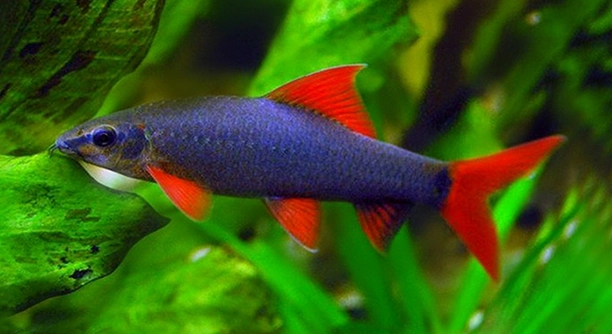
Do you ever find yourself watching your rainbow shark and wondering if it’s showing signs of being ready to breed? These fish can be fascinating to observe, especially when their behavior starts to change.
The clearest signs that your rainbow shark is ready to breed include increased territorial behavior, brightened coloration, and more frequent activity around flat surfaces. These changes are part of their natural spawning process and indicate breeding readiness.
Breeding behavior in rainbow sharks can be subtle at first, but learning what to look for will help you prepare your tank and care for your fish more effectively.
Brighter Coloration Means Readiness
When a rainbow shark is preparing to breed, its colors often become more vivid. Males especially tend to show deeper shades of red on their fins, while the body may look glossier or more intense in tone. This is a natural part of their reproductive display, signaling their strength and health to potential mates. You may also notice subtle shifts in their posture or swimming patterns. These changes typically occur during the fish’s most active hours and are more noticeable in a clean, well-lit tank. If you’re unsure, try comparing their current look with older photos. Lighting and tank conditions can affect how their colors appear, so keeping those steady helps in spotting changes. Color alone doesn’t confirm breeding readiness, but when combined with other behaviors, it becomes a reliable sign. Consistent water quality, proper nutrition, and a peaceful environment all support this stage in their life cycle.
The brightening of fins and body isn’t random. It’s often tied to hormonal shifts that prepare the fish for spawning.
Noticing a clear difference in color can be a helpful first indicator. While not the only sign, it often appears early in the breeding cycle and sets the stage for other changes.
Increased Territorial Behavior
Rainbow sharks may begin guarding specific areas of the tank, especially flat surfaces or caves. This is part of their nesting instinct and a common sign that they are preparing to breed.
When breeding readiness increases, rainbow sharks become more protective of their space. They may chase away other tank mates more often or patrol a chosen area repeatedly. This shift in behavior can appear sudden and may last several days or weeks. Providing enough hiding spots and room to swim can help reduce stress for other fish. Keep an eye out for small scratches or marks from chasing, especially in smaller tanks. It’s important to note that territorial behavior alone doesn’t confirm breeding, but it does signal that something is changing. Combined with physical signs like brighter color and increased activity, this behavior strengthens the case that your shark may be preparing to spawn. Observation and patience are key in identifying patterns.
Spending More Time Near the Bottom
Rainbow sharks getting ready to breed often stay near the bottom of the tank. They may hover over flat rocks, dig lightly in the gravel, or claim a spot and return to it often.
This bottom-dwelling behavior is linked to nesting habits. Flat surfaces and hidden areas are ideal places where they might attempt to lay or guard eggs. If your rainbow shark circles or rubs against these spots frequently, it may be preparing for spawning. This change can happen alongside brighter coloration and more territorial actions. If you see your shark chasing others away from the bottom, it’s usually trying to protect its chosen area. Adding smooth stones, caves, or PVC pipes can encourage this behavior and provide a safer space. Be careful not to overcrowd the tank, as this can increase aggression and stress, especially during breeding times. Keep tank lighting soft to reduce anxiety.
Spending time at the bottom can also help your shark feel more secure. During breeding periods, they prefer areas that mimic the natural hiding places they’d use in the wild. These spots offer privacy and reduce distractions from other fish. A calm, consistent environment supports this instinct, helping your fish stay healthy and more focused on spawning behavior.
Changes in Eating Habits
Rainbow sharks may start eating less or become pickier when they’re close to breeding. Their energy shifts from food to reproduction, which can make them seem distracted or uninterested during feeding.
Reduced appetite doesn’t always mean something is wrong. Hormonal changes that prepare them for breeding can affect their eating patterns. Some may still eat but will do so more slowly or ignore certain foods they normally enjoy. Offering a varied, high-protein diet can help support their health during this time. Frozen or live foods like bloodworms or brine shrimp are often more appealing and useful for boosting energy. Don’t overfeed in an attempt to get them to eat more—it’s better to keep portions small and observe how they respond. If appetite loss lasts too long or the fish looks weak, it’s worth checking water quality and tank conditions. Otherwise, this shift is usually temporary and expected.
Frequent Swimming Patterns
Rainbow sharks may start swimming in short, repeated patterns. This can include quick bursts around specific tank areas or pacing back and forth along the glass. These movements are usually focused and show increased energy.
You might also notice your shark circling rocks or swimming close to other fish more often. These actions often signal breeding-related behavior rather than random activity.
Chasing Without Aggression
During breeding, rainbow sharks may chase other fish without biting or fin nipping. This kind of chasing is less aggressive and more persistent. It’s often their way of showing dominance or trying to court a potential mate.
Female Appears Slightly Rounder
If the shark is female, you may notice her belly looking a bit more rounded. This swelling is subtle and can mean she’s carrying eggs. It’s easier to spot when the fish is viewed from above.
FAQ
Can rainbow sharks breed in a home aquarium?
Yes, but it’s rare. Rainbow sharks are territorial and need very specific conditions to breed successfully. Most breeding happens in commercial fish farms where the environment is carefully controlled. In a home aquarium, even if the fish show breeding behavior, actual spawning may not occur. Factors like tank size, water temperature, pH, and the presence of proper hiding spaces play a major role. If these aren’t ideal, breeding attempts may stop before eggs are laid. So while it’s possible, it’s not something most aquarists will see often unless the setup is just right.
What tank setup helps encourage breeding?
A tank of at least 55 gallons is ideal. Use soft gravel, smooth rocks, and caves or tubes to create hiding areas. Maintain the water temperature between 75°F and 81°F. Keep the lighting low and consistent. Water quality should be excellent, with a pH between 6.5 and 7.5. Add some live plants, but leave enough open space for swimming. Reducing stress is key, so avoid sudden changes in water conditions and don’t overcrowd the tank. Having just one male with one female also lowers aggression and gives the best chance for successful breeding.
How do I know if I have a male and a female?
Male rainbow sharks tend to be slimmer and have more pointed fins, especially the dorsal fin. Their colors may also appear more intense, particularly when trying to breed. Females are usually slightly larger with a more rounded belly, especially when full of eggs. This can be hard to see unless they are side by side. Keep in mind that even with these signs, it’s not always easy to tell without experience or comparison. Some pet stores may mislabel them, so visual differences are the best way to guess.
Do rainbow sharks care for their eggs or fry?
No, they don’t provide parental care. In fact, if eggs are laid, rainbow sharks might eat them. If you’re trying to raise fry, you’ll need to remove the eggs right after spawning. Use a separate breeding tank or place a divider in the main tank to keep the parents away. Fry also need a different setup with softer filtration and smaller food like infusoria or baby brine shrimp. It’s a lot of work, but necessary if you want to raise the babies successfully without losing them.
How long is the breeding process?
The signs of breeding can last several days or even weeks. A female might carry eggs for a while before laying them. If spawning does occur, the eggs usually hatch within 48 to 72 hours. Fry become free-swimming a few days after that. Since rainbow sharks don’t breed often in home tanks, this process is rarely seen. If it happens, act quickly to protect the eggs and adjust the tank to support fry development. Be ready to change feeding routines and water conditions as needed.
Can multiple rainbow sharks be kept together during breeding?
It’s not recommended. These fish are territorial, especially during breeding periods. Keeping more than one can lead to constant chasing, stress, and even injuries. If you plan to try breeding, it’s better to keep just a pair in the tank. Watch them closely to make sure the aggression doesn’t go too far. If one fish starts showing signs of harm or hiding too much, you may need to separate them to keep both safe. Compatibility varies, and some pairs simply won’t get along, even when breeding.
Final Thoughts
Breeding rainbow sharks in a home aquarium is not something that happens often. These fish have strong territorial instincts and need very specific conditions to breed successfully. Even when you start noticing changes in color, swimming patterns, or eating habits, it doesn’t always mean spawning will take place. It’s important to observe their behavior carefully and give them the right space, water quality, and calm environment. A single male and female pair, along with a properly arranged tank, offers the best chance. However, even then, the process may not move forward. That’s just part of how rainbow sharks behave.
If you’re hoping to encourage breeding, take your time. Rushing or making too many changes at once can stress your fish and push them away from any natural breeding behavior. Keep the tank peaceful and consistent. Watch for clear signs like brighter coloration, more time spent near the bottom, and mild chasing that doesn’t turn aggressive. These are small but important clues. Female sharks may look slightly rounder, and males may become more active or territorial. These things often happen slowly. Being patient and observing over several weeks gives you a better picture of what’s going on.
Even if your rainbow shark doesn’t breed, that’s okay. Not all fish will, and forcing it isn’t safe or healthy. Focus instead on keeping your fish comfortable and giving them the care they need. A clean tank, balanced diet, and low-stress environment are more important than breeding for most home setups. If your fish seem happy, active, and free of stress, you’re doing well. Some fish just won’t spawn without very specific triggers or conditions that are hard to copy outside of professional fish farms. In the end, paying attention to your rainbow shark’s behavior can still teach you a lot and help you care for it better.

Hello,
If you enjoy the content that we create, please consider saying a "Thank You!" by leaving a tip.
Every little bit helps us continue crafting quality advice that supports the health, happiness, and well-being of pets around the world, for pets of all shapes, sizes, and species.
We really appreciate the kindness and support that you show us!