
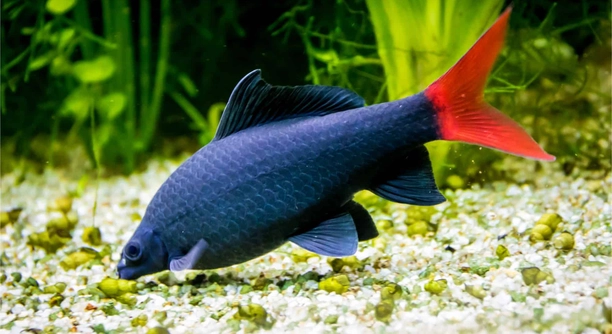
Keeping a Rainbow Shark’s tank clean is essential for the fish’s health and happiness. Regular maintenance helps prevent disease and creates a comfortable environment. A clean tank also enhances the beauty of your aquatic setup.
Ensuring your Rainbow Shark’s tank is always clean involves consistent water changes, proper filtration, removing uneaten food, cleaning the substrate, controlling algae growth, monitoring water parameters, and avoiding overfeeding. These practices maintain water quality and promote the fish’s well-being.
Maintaining a clean tank requires attention to these simple but effective habits. Following them will support a healthy environment for your Rainbow Shark to thrive.
Consistent Water Changes
Regular water changes are crucial for keeping your Rainbow Shark’s tank clean. Changing 20-25% of the water every one to two weeks helps remove toxins like nitrates and ammonia. These substances build up over time and can harm your fish if left unchecked. Use a siphon to clean the substrate while removing water, which also gets rid of uneaten food and waste. When adding new water, make sure it is treated to remove chlorine and matches the tank’s temperature. Skipping water changes or doing them inconsistently can lead to poor water quality and stress your Rainbow Shark. Consistency in this task is key to maintaining a healthy tank environment for your fish to thrive.
Changing water regularly keeps toxins under control, which is vital for your fish’s health.
Water changes improve water clarity and reduce harmful chemical buildup. It also helps keep the tank’s ecosystem balanced, supporting beneficial bacteria growth. A clean environment lowers the risk of illness and promotes your Rainbow Shark’s natural behavior. Taking the time to maintain a regular water change schedule will pay off in a healthier, happier fish and a more attractive tank. Proper water management is one of the simplest yet most effective ways to ensure long-term tank cleanliness.
Proper Filtration
A reliable filter is essential for maintaining water quality in your Rainbow Shark’s tank. It removes debris, excess food, and harmful chemicals from the water, helping to keep the environment clean and safe. Choose a filter appropriate for your tank size and fish load to avoid overworking the system. Filters should be cleaned regularly to maintain efficiency but avoid cleaning all filter media at once, as this can kill beneficial bacteria. Proper filtration reduces the frequency of water changes and helps stabilize water parameters, supporting your Rainbow Shark’s health.
Using an efficient filter reduces waste buildup and stabilizes the tank’s environment.
Filters trap physical waste and encourage beneficial bacteria growth, which breaks down harmful substances. Mechanical, chemical, and biological filtration work together to maintain a clean tank. Mechanical filtration traps particles, chemical filtration removes toxins, and biological filtration supports bacteria that convert ammonia to less harmful substances. Regular filter maintenance ensures these processes continue without interruption. An effective filtration system provides a balanced, healthy habitat for your Rainbow Shark and helps prevent common water quality problems.
Removing Uneaten Food
Uneaten food can quickly pollute your Rainbow Shark’s tank. Removing it promptly helps keep the water clean and prevents harmful bacteria growth.
Leftover food decomposes and releases ammonia, which is toxic to fish. It also encourages algae growth and lowers oxygen levels in the tank. Using a small net or siphon, remove uneaten food shortly after feeding to reduce waste buildup. Feeding smaller portions that your fish can consume within a few minutes can help minimize leftovers. Avoid overfeeding, which is a common cause of water pollution and health issues for Rainbow Sharks.
Consistent removal of uneaten food maintains better water quality and promotes a healthier environment. It reduces the chances of water cloudiness and foul odors. This practice supports stable water chemistry, making it easier to maintain the tank overall. Keeping waste under control benefits not only your Rainbow Shark but also any other tank inhabitants.
Cleaning the Substrate
Cleaning the substrate prevents waste and debris from accumulating and degrading water quality. Gravel or sand should be regularly vacuumed to keep the tank clean. Waste particles often settle into the substrate, where they can break down and pollute the water.
Use a gravel vacuum during water changes to remove detritus and uneaten food trapped in the substrate. Avoid stirring the substrate too vigorously, as this can release harmful toxins into the water. Cleaning the substrate supports the growth of beneficial bacteria, which help process fish waste. Regular maintenance keeps the tank environment healthy and minimizes algae growth caused by excess nutrients.
A clean substrate improves the overall appearance of the tank. It also creates a more comfortable space for your Rainbow Shark to swim and forage. This simple step is essential to maintaining balanced water parameters and preventing common problems related to poor tank hygiene.
Controlling Algae Growth
Algae can quickly take over a Rainbow Shark’s tank if not managed properly. Keeping algae in check helps maintain a clear and healthy environment.
Limiting light exposure to 8-10 hours a day and avoiding direct sunlight reduces algae growth. Regularly cleaning the tank walls and decorations also helps prevent buildup. Adding algae-eating fish or snails can assist with control but should be chosen carefully to suit the tank’s ecosystem.
Monitoring Water Parameters
Regular testing of water parameters like pH, ammonia, nitrite, and nitrate is essential. Balanced water chemistry supports your Rainbow Shark’s health and tank cleanliness.
Avoiding Overfeeding
Overfeeding leads to waste buildup, poor water quality, and stress for your Rainbow Shark. Feed small amounts your fish can eat in a few minutes to prevent leftovers.
FAQ
How often should I change the water in my Rainbow Shark’s tank?
Water changes should be done every one to two weeks, replacing about 20-25% of the tank’s water. This schedule helps remove waste and toxins that build up over time. More frequent changes might be needed if the tank is heavily stocked or if water quality issues arise.
What type of filter is best for a Rainbow Shark tank?
A filter that provides mechanical, chemical, and biological filtration is ideal. Choose one rated for your tank’s size to ensure it can handle the waste produced. Canister filters or hang-on-back filters are popular choices, as they offer good flow and filtration without stressing the fish.
Can I use tap water directly for water changes?
No, tap water contains chlorine and other chemicals harmful to fish. Always treat tap water with a water conditioner before adding it to the tank. Let the water reach room temperature and match the tank’s temperature to avoid stressing your Rainbow Shark.
How much should I feed my Rainbow Shark?
Feed your Rainbow Shark small portions it can consume within 2-3 minutes, once or twice a day. Overfeeding causes leftover food to decay and pollute the water. Offering a varied diet including pellets, flakes, and occasional live or frozen foods supports good health.
Why is algae growing so fast in my tank?
Excessive light, overfeeding, and poor water quality are common reasons for fast algae growth. Reducing light exposure to 8-10 hours, avoiding direct sunlight, and maintaining regular water changes will help control algae. Adding algae eaters like snails or certain fish species can assist but don’t rely on them alone.
Is it necessary to clean the filter media?
Yes, but carefully. Clean filter media every 3-4 weeks by rinsing it gently in tank water, not tap water, to preserve beneficial bacteria. Avoid cleaning all media at once to maintain the biological filtration that breaks down harmful substances.
How do I test the water quality?
Use a reliable aquarium test kit to check pH, ammonia, nitrite, and nitrate levels regularly. Ideal pH for Rainbow Sharks is between 6.5 and 7.5. Ammonia and nitrite should always be at zero, while nitrate should stay below 20 ppm to ensure a safe environment.
What signs indicate poor water quality?
Cloudy water, strong odors, algae blooms, and fish showing stress or illness can all indicate poor water quality. If you notice any of these signs, test your water parameters immediately and perform a partial water change to improve conditions.
Can I keep other fish with Rainbow Sharks?
Yes, Rainbow Sharks can coexist with other peaceful fish of similar size that don’t compete aggressively for territory. Avoid slow-moving or long-finned species, as Rainbow Sharks can be territorial. Always research compatibility before adding new fish to the tank.
How often should I clean the substrate?
Clean the substrate during water changes using a gravel vacuum to remove debris and uneaten food. Aim to clean the substrate every 1-2 weeks to prevent buildup that can harm water quality. Be gentle to avoid stirring up too much waste into the water.
Will plants help keep the tank clean?
Live plants absorb nitrates and compete with algae for nutrients, which can improve water quality. They also provide hiding spots and reduce stress for your Rainbow Shark. Choose hardy plants that thrive in your tank’s conditions and avoid those that require special care.
What temperature should I keep the tank at?
Rainbow Sharks thrive in temperatures between 72°F and 79°F (22°C to 26°C). Maintaining a stable temperature within this range supports their metabolism and immune system. Use a reliable aquarium heater and thermometer to monitor conditions closely.
How do I prevent overfeeding?
Measure the amount of food before feeding and give only what your Rainbow Shark can finish in a few minutes. Remove any leftover food after feeding time to avoid decay. Feeding less frequently but consistently keeps the tank cleaner and your fish healthier.
What should I do if the water becomes cloudy?
Cloudy water can result from bacteria blooms, overfeeding, or poor filtration. Perform a partial water change, check filter function, and reduce feeding amounts. If cloudiness persists, test water parameters and adjust maintenance routines accordingly.
Is it normal for Rainbow Sharks to be territorial?
Yes, Rainbow Sharks can be territorial, especially in smaller tanks. Providing ample hiding spaces and plants helps reduce aggression. Keeping the tank spacious and limiting the number of similar species can prevent territorial disputes.
Final Thoughts
Keeping your Rainbow Shark’s tank clean is important for the fish’s health and happiness. A clean tank helps prevent disease and creates a better living environment. Consistent water changes, proper filtration, and removing uneaten food are key steps. These simple habits help keep the water safe and clear. When the tank stays clean, your Rainbow Shark will be more active and show its natural colors beautifully. Regular care also reduces stress for the fish, which can help avoid common illnesses. It is important to pay attention to the tank’s condition and make cleaning a routine part of your care.
Managing algae growth and cleaning the substrate are also important for maintaining tank cleanliness. Algae can make the tank look dirty and harm water quality if it grows unchecked. Controlling light exposure and cleaning algae off surfaces regularly can help keep it under control. Cleaning the gravel or sand removes trapped waste and prevents harmful substances from building up. Both of these tasks support a balanced tank environment, which is safer for your Rainbow Shark. Taking time to care for these details will keep your tank attractive and healthy for a long time.
Finally, monitoring water parameters and avoiding overfeeding are essential habits to maintain a clean tank. Testing water regularly helps you catch problems before they get worse. Keeping ammonia, nitrite, and nitrate levels low is necessary for your Rainbow Shark’s well-being. Feeding the right amount of food prevents leftovers from polluting the water. Feeding less but often is better than too much at once. Following these guidelines ensures a stable environment and fewer surprises. With consistent effort and attention, you can enjoy a clean, thriving tank that supports your Rainbow Shark’s health every day.

Hello,
If you enjoy the content that we create, please consider saying a "Thank You!" by leaving a tip.
Every little bit helps us continue crafting quality advice that supports the health, happiness, and well-being of pets around the world, for pets of all shapes, sizes, and species.
We really appreciate the kindness and support that you show us!