
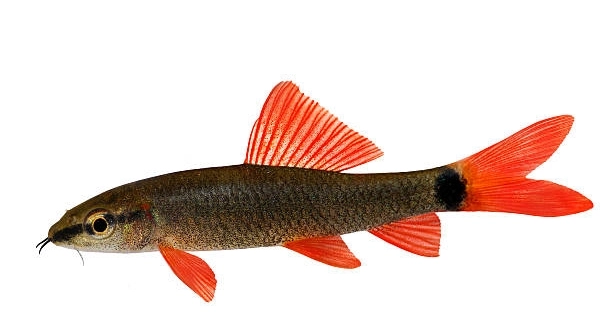
Rainbow sharks are popular aquarium fish known for their vibrant colors and peaceful nature. However, they can easily become frightened by changes in their environment. Understanding what triggers their fear helps keep them calm and healthy.
Several factors can cause fear in rainbow sharks, including sudden movements, loud noises, poor water quality, overcrowding, aggressive tank mates, insufficient hiding spaces, and abrupt changes in lighting or temperature. Recognizing these triggers is essential for their well-being.
Knowing these common causes of fear will help you create a more comfortable environment for your rainbow shark. This guide will explain each trigger and how to minimize its impact.
Sudden Movements and Loud Noises
Rainbow sharks are sensitive to quick movements around their tank. When someone suddenly approaches or taps the glass, it can startle them. Loud noises, such as slamming doors or shouting near the aquarium, also increase their stress levels. These triggers make the fish swim nervously or hide for extended periods. Keeping a calm environment near the tank helps reduce these fears. It’s important to avoid sudden changes in activity close to the aquarium, especially if the fish have just settled in.
Sudden movements and loud sounds cause immediate stress reactions. The fish may dart quickly or try to escape to hiding spots, showing signs of fear and discomfort.
Maintaining a quiet and stable space around the tank allows rainbow sharks to feel secure. Placing the aquarium in a low-traffic area helps. If visitors approach, moving slowly and gently prevents startling the fish. These small adjustments improve their daily comfort and reduce fear responses over time.
Poor Water Quality and Overcrowding
Poor water quality greatly affects rainbow sharks’ well-being. Dirty or unbalanced water stresses them and can trigger fear responses. High ammonia or nitrate levels reduce oxygen and cause discomfort, making them more skittish. Overcrowding is another factor that leads to stress. When too many fish share the same space, competition for food and hiding places increases, causing anxiety. Both issues often appear together and worsen the fish’s fear and health problems.
To keep rainbow sharks calm, regular water testing and maintenance are essential. Partial water changes remove harmful chemicals and maintain balance. A clean filter supports water quality and keeps the environment stable. Avoid adding too many fish to the tank to give each one enough space. Proper tank size and setup ensure that rainbow sharks have enough room to swim freely and retreat when needed. Providing plenty of hiding spots also helps reduce stress caused by overcrowding. Following these practices promotes a peaceful habitat where the fish can thrive.
Aggressive Tank Mates
Rainbow sharks can become fearful when housed with aggressive fish. Aggressive tank mates chase or nip at them, causing constant stress and fear. This disrupts their normal behavior and makes them hide more often.
Keeping rainbow sharks with peaceful, compatible species helps reduce stress. Aggressive fish can bully or dominate, which harms the shark’s well-being. A well-chosen community tank improves their confidence and comfort.
When selecting tank mates, avoid overly territorial or fin-nipping species. Instead, choose fish that are calm and similar in size. Providing plenty of hiding spaces also allows the rainbow shark to retreat if needed. Proper tank compatibility supports a peaceful environment and minimizes fear.
Insufficient Hiding Spaces
Rainbow sharks naturally seek shelter to feel safe. Without enough hiding spots, they become anxious and fearful. They need places to escape when stressed or startled to maintain comfort in the tank.
Hiding spaces can be created using plants, rocks, or decorations. These provide cover and reduce exposure to potential threats. A tank lacking adequate shelter causes constant unease in the fish, affecting its health and behavior.
Adding caves, driftwood, or dense plant areas helps rainbow sharks relax and reduces fear. It allows them to establish territories and lowers stress during feeding or when other fish approach. A well-structured tank supports their natural instincts and overall well-being.
Abrupt Changes in Lighting
Sudden changes in lighting can scare rainbow sharks. Turning lights on or off quickly disrupts their sense of safety. Consistent light schedules help them feel secure and calm.
Using a timer for aquarium lights creates a stable environment. This avoids startling the fish and reduces fear caused by unexpected light changes.
Temperature Fluctuations
Rainbow sharks are sensitive to water temperature shifts. Even small changes can cause stress and fear. Maintaining stable temperatures within their ideal range is crucial for their comfort and health.
Overfeeding
Overfeeding can harm rainbow sharks’ health and increase fear. Excess food decomposes, worsening water quality. This creates an uncomfortable environment and heightens stress levels.
Feeding the right amount, once or twice daily, keeps the tank clean and fish healthy. Monitoring food intake prevents problems related to overfeeding.
FAQ
What should I do if my rainbow shark looks scared all the time?
If your rainbow shark seems scared constantly, first check the tank environment. Look for sudden movements, loud noises, or aggressive tank mates that may be stressing the fish. Make sure the water quality is good and temperature stable. Provide plenty of hiding spots so your fish can retreat when feeling threatened. Reducing disturbances around the tank and maintaining a calm environment often helps the fish feel more secure and less fearful.
How can I improve water quality to reduce my rainbow shark’s fear?
Good water quality is essential. Regularly test the water for ammonia, nitrites, and nitrates. Perform partial water changes at least once a week to keep the water clean. Use a reliable filter and clean it when needed to maintain proper filtration. Avoid overfeeding, as leftover food can pollute the water. Clean water reduces stress and creates a healthy environment where your rainbow shark feels safe.
Can I keep rainbow sharks with other fish?
Yes, but choose tank mates carefully. Avoid aggressive or territorial species that may chase or nip at your rainbow shark. Peaceful fish of similar size work best. Providing enough space and hiding places minimizes conflicts. A balanced community tank helps reduce stress and fear for all fish involved.
Why is my rainbow shark hiding more than usual?
Hiding is a natural behavior when the fish feels threatened or stressed. It can result from poor water quality, overcrowding, sudden changes, or aggressive tank mates. If your rainbow shark hides often, review the tank conditions and reduce possible stress factors. Improving the environment encourages more active and confident behavior.
How important are hiding places for rainbow sharks?
Hiding spots are very important. They allow your fish to feel safe and secure, especially when stressed. Using rocks, plants, or decorations to create shelters helps reduce fear. A tank without enough cover can make your rainbow shark anxious and unhealthy over time.
What temperature range is best for rainbow sharks?
Rainbow sharks thrive in water between 72°F and 79°F (22°C to 26°C). Keeping the temperature stable within this range prevents stress caused by sudden fluctuations. Use a heater and thermometer to monitor and control the temperature accurately.
How often should I feed my rainbow shark?
Feed your rainbow shark once or twice a day with small amounts of food. Avoid overfeeding to prevent water pollution. Remove uneaten food after a few minutes to keep the tank clean. A balanced diet helps maintain their health and reduces stress-related behaviors.
What signs show my rainbow shark is stressed or fearful?
Signs include hiding frequently, rapid swimming, loss of color, reduced appetite, or scratching against objects. These behaviors indicate the fish is uncomfortable or scared. Identifying these early helps address the cause and improve the tank environment.
Can lighting affect my rainbow shark’s behavior?
Yes, sudden changes in lighting can startle rainbow sharks and cause fear. Keeping a consistent light schedule with gradual transitions is best. Using an automatic timer helps maintain stable lighting conditions, reducing stress for your fish.
Is overcrowding harmful to rainbow sharks?
Overcrowding causes competition for space, food, and hiding spots. This stress leads to fear and aggressive behavior. Ensure your tank is large enough and avoid adding too many fish. Proper stocking levels help keep your rainbow shark calm and healthy.
Rainbow sharks are beautiful and peaceful fish that bring life to any aquarium. However, they can be easily frightened by many factors in their environment. Understanding what triggers their fear is important to ensure they live comfortably and stay healthy. When these fish feel scared, their behavior changes, and they may hide or swim nervously. It is clear that the care given to their tank plays a big role in how relaxed they feel every day. Simple changes like avoiding sudden movements near the tank, keeping the water clean, and providing enough hiding spots can make a big difference.
Water quality is one of the most important elements in reducing stress for rainbow sharks. Poor water conditions, such as high ammonia or nitrate levels, cause discomfort and fear. Regular water testing and changes keep the environment safe and stable. Overcrowding is another issue that often leads to fear. When too many fish are placed in a small tank, there is more competition and less space to retreat. This can cause anxiety and aggressive behavior among tank mates. Making sure the aquarium is the right size and not overcrowded helps rainbow sharks feel more secure and less threatened.
Lighting and temperature also affect the well-being of rainbow sharks. Sudden changes in light can startle them, while unstable water temperature causes stress. Keeping a consistent light schedule and maintaining stable temperatures within the recommended range creates a comfortable space for the fish. Overfeeding should also be avoided since it can lower water quality and increase fear. Feeding small amounts at set times helps keep the tank clean and the fish healthy. Paying attention to these details improves the overall environment and supports the natural behavior of rainbow sharks, making them less fearful and more active in their home.

Hello,
If you enjoy the content that we create, please consider saying a "Thank You!" by leaving a tip.
Every little bit helps us continue crafting quality advice that supports the health, happiness, and well-being of pets around the world, for pets of all shapes, sizes, and species.
We really appreciate the kindness and support that you show us!