
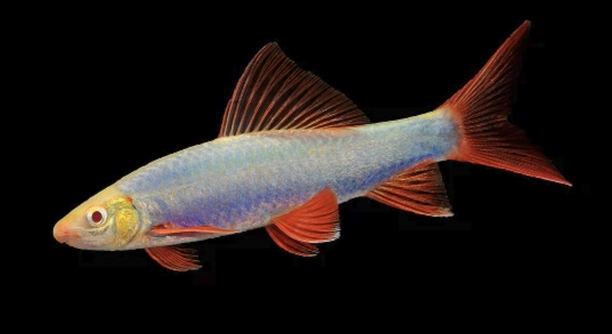
Rainbow Sharks are popular aquarium fish, admired for their vibrant colors and active behavior. However, they can sometimes display aggression, which may cause stress or harm to other tank inhabitants. Managing this behavior is important for a peaceful tank environment.
Aggression in Rainbow Shark tanks often results from territorial disputes, overcrowding, or inadequate hiding spaces. Providing sufficient space, proper tank mates, and environmental enrichment can significantly reduce aggressive incidents and promote healthier fish interactions.
Reducing aggression improves the well-being of your fish and creates a more enjoyable aquarium experience. The following simple methods can help maintain balance in your tank.
Provide Adequate Space in the Tank
Rainbow Sharks need enough room to swim freely and establish their territories without constant conflict. A cramped tank increases stress and aggression. Ideally, a minimum of 30 gallons is recommended for one Rainbow Shark. If you keep more than one, increase the tank size accordingly to prevent overcrowding. Adding decorations like plants and rocks helps break up open spaces, giving each fish a place to claim. This reduces direct encounters and territorial fights. Proper spacing also encourages natural behaviors and keeps the fish more comfortable. A spacious environment supports their health and can lessen aggressive tendencies over time. Avoid placing multiple Rainbow Sharks in small tanks to maintain peace and stability.
A tank that is too small can cause continuous territorial battles. Ensuring ample space helps Rainbow Sharks feel secure and less threatened.
Space matters greatly when managing aggression. A well-sized tank reduces conflict and promotes harmony among your fish.
Choose Compatible Tank Mates
Tank mates greatly affect the behavior of Rainbow Sharks. Choosing species that are peaceful and occupy different tank levels can reduce confrontations. Avoid other aggressive or similarly territorial fish that compete for space. Suitable companions include bottom dwellers like Corydoras catfish or mid-level swimmers like tetras. These fish do not challenge the Rainbow Shark’s territory as much. It is important to introduce tank mates gradually and observe interactions closely at first. Sometimes, certain fish may not adapt well and need to be separated. Consistent monitoring ensures all fish live together peacefully. Compatibility creates a balanced community that benefits all tank inhabitants.
Compatibility with tank mates reduces stress and lessens aggressive behavior in Rainbow Sharks.
Selecting peaceful fish and different swimming levels helps Rainbow Sharks coexist without constant fights.
When choosing companions, consider size, temperament, and swimming area. Peaceful species that do not compete for the same territory promote a calmer environment. Always watch your fish closely during introductions to avoid unexpected aggression. Choosing the right companions can turn a tense tank into a peaceful one. Avoid aggressive species that can provoke fights or stress your Rainbow Shark. Giving each fish its own space to swim and rest also minimizes territorial disputes. Proper selection of tank mates helps maintain a balanced, healthy aquarium where Rainbow Sharks and other fish thrive together.
Maintain Consistent Water Quality
Regular water changes are essential for keeping Rainbow Sharks healthy and calm. Dirty water stresses fish and can increase aggression. Testing water parameters often helps catch problems early.
Keeping the water clean requires changing 20-30% weekly. Remove debris and uneaten food to prevent toxin buildup. Use a good filtration system to maintain stable water conditions. Monitor ammonia, nitrite, and nitrate levels closely, as spikes cause stress and agitation. Clean equipment regularly to ensure proper functioning. Clean water improves fish health, reducing aggressive behavior. Maintaining optimal water conditions makes a calmer tank environment.
Stable water conditions also reduce illness risk, which can increase irritability in Rainbow Sharks. A steady routine of water maintenance encourages peaceful behavior. Consistent water quality supports all aquatic life, making your tank a better home for every fish.
Provide Plenty of Hiding Spots
Rainbow Sharks need places to retreat when feeling threatened or stressed. Hiding spots reduce conflict and help fish feel secure.
Use plants, rocks, and decorations to create shelters around the tank. Caves or tunnels are great options that Rainbow Sharks appreciate. Avoid overcrowding, but place enough hiding places so no fish feels trapped or exposed. These areas allow fish to escape from aggressive tank mates and calm down when needed. Hiding spots also mimic their natural environment, which helps lower aggression. Observing your fish’s behavior will guide you in adjusting hiding places to their needs. Well-placed shelters improve overall tank harmony and reduce stress-related aggression.
Avoid Overfeeding
Overfeeding can cause water quality issues that stress Rainbow Sharks and increase aggression. Feeding small amounts once or twice daily helps keep the tank clean and fish healthy.
Excess food decomposes, raising toxins that upset fish. Proper feeding controls waste and supports stable water conditions, reducing aggressive behavior.
Monitor Tank Temperature Closely
Rainbow Sharks thrive in temperatures between 74°F and 80°F. Maintaining this range supports their immune system and reduces stress. Sudden temperature changes can trigger aggression, so use a reliable heater and thermometer to keep conditions steady. Stable temperatures help your fish stay calm and healthy.
Use Neutral Substrate
Choosing a neutral substrate like sand or smooth gravel can reduce territorial behavior in Rainbow Sharks. Bright or reflective substrates may provoke defensive reactions. A neutral base helps keep the environment calm and less stimulating, which may lower aggression levels.
FAQ
Why is my Rainbow Shark so aggressive?
Rainbow Sharks are naturally territorial, especially in confined spaces. Aggression often comes from competition for space, food, or hiding spots. Overcrowding, poor water quality, and incompatible tank mates can also increase stress and lead to aggressive behavior. Ensuring proper tank size, clean water, and compatible companions helps reduce this aggression.
Can aggression harm other fish in the tank?
Yes, aggressive Rainbow Sharks may chase, nip, or injure other fish. Stress from bullying can weaken immune systems, making fish more prone to illness. Providing enough space and hiding spots helps protect more passive fish and maintain a peaceful tank environment.
How can I tell if aggression is caused by stress?
Signs include frequent chasing, damaged fins, and fish hiding more often. If your Rainbow Shark’s aggression increases after changes like water quality drops or new tank mates, stress is likely the cause. Stabilizing the environment usually calms behavior.
Is it okay to keep more than one Rainbow Shark together?
It is possible but challenging. Rainbow Sharks are territorial and often aggressive toward their own kind unless the tank is very large with plenty of hiding spots. In smaller tanks, multiple Rainbow Sharks usually fight. If you want several, ensure at least 55 gallons and lots of decorations to break up territories.
What are the best tank mates for Rainbow Sharks?
Peaceful fish that swim at different levels of the tank work best, like tetras, danios, or Corydoras catfish. Avoid other bottom dwellers or aggressive species that compete for space. Compatible tank mates reduce conflict and help keep your Rainbow Shark calmer.
How often should I clean the tank to reduce aggression?
Weekly partial water changes of about 20-30% are recommended. Clean filters and remove uneaten food regularly. Stable, clean water reduces stress and aggression in Rainbow Sharks and other fish.
Does lighting affect aggression in Rainbow Sharks?
Bright lighting can sometimes increase stress and aggression because it exposes territories more clearly. Using moderate lighting or providing shaded areas with plants can help Rainbow Sharks feel less exposed and less likely to be aggressive.
Can diet influence aggression in Rainbow Sharks?
A balanced diet keeps fish healthy and less irritable. Overfeeding or poor nutrition can cause stress, which may lead to aggression. Feed high-quality pellets or flakes designed for omnivores and supplement occasionally with vegetables or live foods.
What should I do if aggression persists despite changes?
If aggression continues, consider separating the Rainbow Shark temporarily or permanently. Sometimes fish just do not get along. Quarantining the aggressive fish or moving it to another tank helps protect other tank mates and maintain peace.
Is it normal for Rainbow Sharks to chase each other occasionally?
Some chasing is normal, especially during feeding or when establishing territory. However, constant or severe aggression is not healthy. Monitoring behavior and making adjustments to tank conditions can reduce frequent fighting.
Final Thoughts
Managing aggression in your Rainbow Shark tank requires attention to several important factors. These fish are naturally territorial, so providing enough space is crucial. A tank that is too small will increase stress and cause fights. Making sure the tank size fits the number of fish and their needs is the first step to a peaceful environment. Adding decorations and hiding spots helps break up territories, giving each fish a safe place to retreat. This simple adjustment can make a big difference in reducing aggressive behavior.
Water quality plays a significant role in the mood and health of Rainbow Sharks. Poor water conditions cause stress, which often leads to increased aggression. Regular water changes and proper filtration help maintain clean, stable water. Testing water parameters frequently ensures toxins like ammonia and nitrites remain at safe levels. When the water is clean and balanced, your fish are less likely to become irritable or fight. Consistent maintenance routines benefit not only the Rainbow Sharks but all the fish in the tank.
Choosing compatible tank mates is another key factor in reducing aggression. Peaceful fish that live in different parts of the tank reduce competition and stress. Avoid overcrowding and species that share the same territory, as these conditions often lead to conflict. Feeding your Rainbow Sharks a balanced diet and avoiding overfeeding also help keep them calm. Even with all precautions, some aggression is normal, but it should not be constant or harmful. By addressing space, water quality, and tank community, you can create a healthy and more peaceful environment for your Rainbow Sharks to thrive.

Hello,
If you enjoy the content that we create, please consider saying a "Thank You!" by leaving a tip.
Every little bit helps us continue crafting quality advice that supports the health, happiness, and well-being of pets around the world, for pets of all shapes, sizes, and species.
We really appreciate the kindness and support that you show us!