
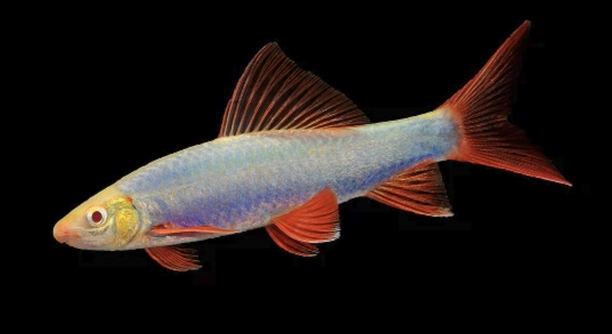
Is your rainbow shark spending more time sitting at the bottom than exploring its tank like it used to? Changes in behavior, especially inactivity, can often be a sign that something in the aquarium is off.
The most common reasons why your rainbow shark is not swimming enough include stress, illness, poor water conditions, or an unsuitable tank environment. These factors can significantly affect your fish’s activity levels and overall well-being.
Recognizing the specific cause can help improve your shark’s health and comfort, ensuring a more active and thriving presence in your aquarium.
Poor Water Quality Can Slow Them Down
Rainbow sharks are sensitive to their water conditions. If ammonia, nitrite, or nitrate levels are off, your fish may stop swimming as much. Poor filtration or infrequent water changes can cause the tank environment to become stressful or toxic. Even small shifts in pH or temperature can leave your shark inactive, hiding more often, or resting on the bottom. Rainbow sharks thrive best in clean, stable water with a temperature between 75–81°F and a pH of 6.5 to 7.5. Regular testing, a strong filter, and weekly partial water changes are important. Without this routine care, your shark may become lethargic and more vulnerable to illness. Lack of movement is often one of the first signs that something is wrong with the water quality, even if it looks clear. Keeping the tank healthy will encourage more natural activity and help your fish feel safe and energetic again.
A stressed fish won’t act normally, and poor water quality is one of the most common reasons behind that behavior.
By paying attention to test results and keeping the tank clean, you’ll support your rainbow shark’s energy levels and help prevent long-term health issues. Consistency in tank care is key to maintaining your fish’s well-being and natural swimming patterns.
Stress From Tank Mates or Setup
Rainbow sharks are territorial and can become stressed if housed with incompatible fish. Their behavior may shift, leading to reduced movement.
Some rainbow sharks become less active when they feel unsafe in their environment. If there are aggressive tank mates or not enough space, the shark may avoid swimming freely. They may also react this way if there are no hiding spots. A tank size of at least 50 gallons with rocks, plants, and caves will help reduce tension. Avoid housing rainbow sharks with similar bottom dwellers or other semi-aggressive fish, especially in smaller tanks. Even peaceful fish can cause issues if they invade your shark’s space too often. When under stress, rainbow sharks often stay still, hide, or swim only when necessary. Observing these signs and making changes to the tank setup can encourage more comfortable behavior. Give your shark room to explore and places to retreat—it helps them feel secure enough to stay active.
Inadequate Tank Size Limits Movement
A small tank restricts your rainbow shark’s ability to swim freely. These fish need space to roam, and cramped environments can lead to inactivity. A tank that’s too tight may also increase territorial stress and limit natural behaviors.
Rainbow sharks grow up to six inches and require a minimum of 50 gallons of water to swim comfortably. In a smaller tank, they may feel boxed in and reduce movement to avoid confrontation or stress. Limited swimming space can also affect their physical health over time. Without enough room, muscles can weaken, and overall energy levels may drop. If your shark is mostly staying still, upgrading the tank size may help. A longer, rectangular tank with horizontal space is ideal, giving them more area to explore. Along with the right décor and water conditions, providing enough space plays a key role in maintaining your shark’s activity and well-being.
Overcrowding makes the problem worse. Too many fish in a small tank can quickly lead to conflict, increased waste, and less space for your shark to move around. The stress from constant interactions or hiding may cause your fish to stop swimming altogether. A larger tank not only improves water quality but also restores comfort and freedom.
Lack of Stimulation in the Environment
Rainbow sharks can lose interest in their surroundings if there’s nothing to explore. A plain tank without plants, caves, or driftwood often leads to boredom and reduced movement. They enjoy structure and need a sense of territory to stay active.
A tank that feels too empty can affect behavior more than you might expect. Rainbow sharks like to swim through spaces, peek around objects, and claim certain areas as their own. When these features are missing, they may stop engaging with their environment. A well-decorated tank provides stimulation, gives them confidence, and encourages movement. Adding plants (real or artificial), smooth rocks, and caves can make a noticeable difference. Even slight rearrangements now and then can help refresh their interest. Providing varied textures and hiding spots helps them feel secure, which often leads to more natural and frequent swimming. The goal is to keep the tank both functional and engaging.
Illness or Injury Can Affect Activity
If your rainbow shark is sick or injured, it may stop swimming as often. Common signs include clamped fins, discoloration, or labored breathing. Internal infections or parasites can weaken the fish and reduce its desire to move.
Physical injuries from fights or rough tank decor can also slow them down. Even minor wounds may lead to rest and inactivity while the body heals. Keep an eye out for swelling, red patches, or unusual marks that may need attention.
Temperature Is Outside the Ideal Range
Rainbow sharks are tropical fish that rely on stable water temperatures to stay active. If the tank is too cold or too warm, their metabolism slows down or becomes overactive. The ideal temperature range is between 75°F and 81°F. Outside this range, they may become sluggish or stressed. Temperature swings caused by poor equipment or sudden room changes can also be harmful. A good heater and regular monitoring with a reliable thermometer can prevent issues. Always adjust temperature gradually if changes are needed. Keeping it steady helps maintain normal energy levels and overall health in your rainbow shark.
Not Enough Oxygen in the Water
Low oxygen levels in the tank can cause your rainbow shark to rest more and breathe heavily. This often happens in overcrowded tanks or those with poor water circulation.
FAQ
Why is my rainbow shark hiding and not swimming much?
Rainbow sharks often hide when they feel stressed, scared, or unwell. Changes in tank conditions, aggressive tank mates, or illness can cause this behavior. Providing hiding spots and improving water quality usually helps. Sometimes, hiding is temporary while the fish adjusts to a new environment.
How can I tell if my rainbow shark is sick?
Look for signs like faded colors, clamped fins, rapid breathing, or white spots. Loss of appetite and unusual swimming patterns also indicate illness. If you notice these symptoms, testing water quality and isolating the fish for treatment can prevent worsening health.
Is it normal for rainbow sharks to be less active at night?
Yes, rainbow sharks tend to be more active during the day and rest at night. However, if your fish is inactive during the day, it may signal a problem. Regular light cycles help maintain their natural behavior.
Can poor diet affect my rainbow shark’s swimming?
A poor diet can weaken your fish and reduce energy. Rainbow sharks need a balanced diet with sinking pellets, vegetables, and occasional protein. Feeding high-quality food in proper amounts supports their health and activity.
How often should I change the water to keep my rainbow shark active?
Weekly partial water changes of 20-30% are recommended. This removes toxins and keeps water parameters stable. Consistent water maintenance promotes better oxygen levels and reduces stress, encouraging more swimming and normal behavior.
Will adding plants and decorations improve my rainbow shark’s activity?
Yes, adding plants, rocks, and caves creates a stimulating environment. It offers places to explore and hide, making your fish feel secure and encouraging natural movement. Variety in the tank helps prevent boredom and inactivity.
Can tank mates cause my rainbow shark to stop swimming?
Certain aggressive or territorial fish can stress your rainbow shark. This often leads to hiding and less swimming. Choose compatible tank mates and provide enough space to minimize conflicts. Monitoring interactions helps maintain a peaceful environment.
What is the ideal tank size for a rainbow shark?
A minimum of 50 gallons is ideal for a single rainbow shark. This gives them enough room to swim and reduces territorial stress. Larger tanks are better if you have multiple fish or other species sharing the space.
How do temperature fluctuations affect rainbow sharks?
Sudden changes in temperature can stress your fish, leading to inactivity or illness. Keep the tank temperature steady between 75°F and 81°F with a reliable heater and thermometer. Gradual adjustments prevent shock and maintain energy levels.
Can water oxygen levels impact my rainbow shark’s swimming?
Low oxygen can make your fish sluggish and cause heavy breathing. Good water circulation and aeration improve oxygen levels. Avoid overcrowding to reduce oxygen depletion and keep your rainbow shark active and healthy.
Final Thoughts
Rainbow sharks are active fish that need the right environment to thrive. When they stop swimming as much, it usually means something in their tank or care is not quite right. Issues like poor water quality, stress from tank mates, or an unsuitable tank size can all affect their behavior. By paying close attention to these factors, you can help your rainbow shark regain its energy and natural movement. Taking steps such as regular water testing, providing hiding spots, and ensuring enough swimming space supports their health and happiness.
It is important to remember that rainbow sharks are sensitive to changes in their environment. Sudden shifts in temperature, low oxygen levels, or poor diet can quickly lead to lethargy. Consistent tank maintenance and proper feeding are essential for keeping your fish active. These fish also need stimulation from plants, rocks, or caves to encourage movement. Without this, they may become bored or stressed, leading to less swimming. Watching your fish closely and making adjustments based on their behavior can prevent long-term problems and improve their quality of life.
In some cases, health issues or injury can be the reason behind reduced swimming. Illnesses like infections or parasites can weaken your rainbow shark and cause it to hide or rest more. If you notice signs of sickness, taking action quickly by checking water conditions or consulting an expert is important. Overall, the key to an active rainbow shark lies in a clean, stable, and enriching environment. Careful observation and timely changes will help your fish stay vibrant and energetic for years to come.

Hello,
If you enjoy the content that we create, please consider saying a "Thank You!" by leaving a tip.
Every little bit helps us continue crafting quality advice that supports the health, happiness, and well-being of pets around the world, for pets of all shapes, sizes, and species.
We really appreciate the kindness and support that you show us!