
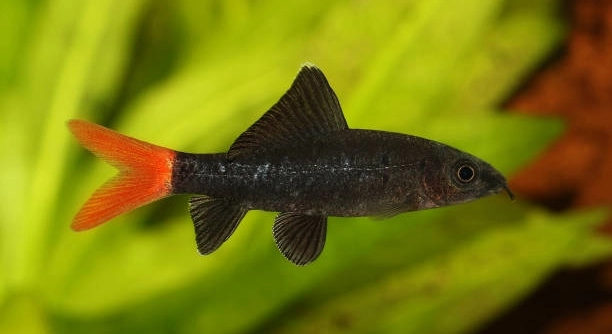
Adding new tankmates to a tank with Rainbow Sharks requires careful thought. These fish have distinct behaviors and needs that affect how they interact with others. Understanding these factors can help create a harmonious aquarium environment.
Rainbow Sharks are territorial and can become aggressive toward other fish, especially those with similar shapes or colors. It is crucial to consider tank size, compatible species, and hiding spaces to reduce conflict and stress among all inhabitants.
Considering these points can improve the well-being of both the Rainbow Sharks and their new companions. Proper planning ensures a balanced and peaceful aquarium community.
Understanding Rainbow Shark Behavior
Rainbow Sharks are known for their territorial nature. They tend to claim a specific area in the tank and defend it aggressively against other fish, especially those with similar shapes or colors. This behavior can cause stress and injuries to less dominant tankmates. It is important to observe their interactions closely, especially when introducing new fish. Providing ample space and hiding spots can help ease tensions. Rainbow Sharks are most active during the day and prefer a moderate flow of water. They may also dig in the substrate, which can disturb plants or decorations. Keeping the tank environment stable and predictable helps reduce aggressive behavior. Regular monitoring and adjustments to tank setup may be necessary to maintain peace among the inhabitants.
Being aware of these behavioral traits allows for better tankmate choices and a calmer tank environment.
Planning for the Rainbow Shark’s territorial tendencies helps prevent conflicts and promotes a healthier aquarium. This knowledge ensures you choose companions that can coexist peacefully.
Choosing Compatible Tankmates
Choosing tankmates that can coexist with Rainbow Sharks requires attention to species temperament and size. Avoid small, slow-moving fish that may become targets of aggression. Fish with a peaceful yet sturdy disposition tend to do better. Bottom dwellers like Corydoras catfish often coexist well because they occupy different areas of the tank. Similarly, fast swimmers or mid-to-top level dwellers are less likely to clash with Rainbow Sharks. It is also important to avoid other fish with bright colors or long fins, as they might provoke territorial behavior. Compatibility depends on maintaining a balance where no fish feels threatened or overcrowded. Compatibility ensures a stable social structure, minimizing stress and aggression among tank residents. Proper research and observation are key before introducing new tankmates to avoid problems.
The choice of compatible fish can greatly influence the overall harmony in the aquarium. Prioritizing calm species helps Rainbow Sharks and their companions thrive together, reducing the risk of fights and injuries. Ensuring appropriate tankmate selection creates a peaceful and enjoyable tank environment for all.
Tank Size and Space Requirements
A spacious tank is essential when keeping Rainbow Sharks with other fish. Crowded conditions increase stress and aggression.
A minimum tank size of 55 gallons is recommended to provide enough territory for Rainbow Sharks and their tankmates. Larger tanks allow fish to establish separate areas and reduce encounters that trigger aggression. More swimming space helps Rainbow Sharks express natural behavior, such as roaming and foraging. It also allows for the placement of hiding spots and plants, which can break up sightlines and lessen territorial disputes. Proper tank size supports healthier fish and a more balanced community. Overcrowding should always be avoided to maintain water quality and reduce stress-related illnesses.
Sufficient space is a key factor in minimizing conflict and promoting peaceful coexistence. A larger tank means better conditions for all fish, improving their overall well-being and tank harmony.
Providing Hiding Spots and Decorations
Hiding spots are crucial to reduce stress and aggression in a tank with Rainbow Sharks. Fish need safe spaces to retreat when feeling threatened.
Aquatic plants, rocks, caves, and driftwood create natural barriers and hiding places. These decorations break the tank into separate territories and help fish avoid direct confrontations. Well-placed hiding spots allow less dominant fish to escape aggression and feel secure. This leads to reduced chasing and fighting, which benefits the entire tank community. Decorations also enrich the environment, encouraging natural behavior and activity. When arranging these items, consider leaving open swimming areas to balance security and freedom. Regularly check that hiding spots remain clean and accessible to prevent territorial disputes over these spaces.
Creating a well-decorated tank supports the mental and physical health of Rainbow Sharks and their tankmates by fostering a less stressful living environment.
Monitoring Water Quality
Maintaining clean water is vital for Rainbow Sharks and their tankmates. Poor water conditions increase stress and susceptibility to disease.
Regular testing for ammonia, nitrite, nitrate, and pH helps keep water parameters stable. Performing weekly partial water changes improves overall tank health and supports fish well-being.
Feeding Compatibility
Rainbow Sharks are omnivores that require a varied diet. Tankmates should have similar dietary needs to avoid competition.
Providing balanced nutrition for all fish helps maintain peaceful feeding times and prevents aggressive behavior caused by hunger or food competition.
Quarantine New Fish
Quarantining new fish before adding them to the main tank prevents disease introduction. A separate tank allows observation for signs of illness.
This practice protects existing tank inhabitants and reduces the risk of outbreaks, supporting a healthy and stable aquarium environment.
What tank size is best for keeping Rainbow Sharks with other fish?
A tank of at least 55 gallons is ideal when housing Rainbow Sharks with other species. This size gives each fish enough space to establish territories without constant conflict. Crowded tanks often increase aggression and stress. Larger tanks also allow room for decorations and hiding spots, which help reduce territorial disputes. When possible, providing more space than the minimum is beneficial for the overall health of all fish in the aquarium.
Can Rainbow Sharks live peacefully with other fish?
Rainbow Sharks can live with other fish if tank conditions and tankmate choices are carefully considered. Their territorial nature means they may become aggressive toward fish that look or behave similarly. Choosing non-aggressive, fast-swimming, or bottom-dwelling species helps minimize clashes. Providing plenty of space and hiding spots further reduces tension. Proper care and monitoring are essential to maintain harmony in a community tank with Rainbow Sharks.
What types of fish are compatible tankmates for Rainbow Sharks?
Suitable tankmates include species that occupy different tank levels or have peaceful temperaments. Corydoras catfish are good bottom dwellers that usually avoid conflict. Fast-moving mid-to-top swimmers like danios or barbs can also coexist well. Avoid slow, small, or brightly colored fish with long fins, as they may trigger aggression. Compatibility depends on balancing the social dynamics to reduce stress and aggression.
How important are hiding spots in a Rainbow Shark tank?
Hiding spots are very important. They offer refuge for shy or stressed fish and reduce direct confrontations. Plants, caves, and decorations create natural barriers that help fish claim their own space. This decreases chasing and fighting, which is common with territorial species like Rainbow Sharks. Well-placed hiding places improve the mental and physical health of all tank inhabitants.
How often should I perform water changes in a tank with Rainbow Sharks?
Weekly partial water changes of about 20-30% are recommended to maintain water quality. Rainbow Sharks and other fish produce waste that can accumulate harmful substances like ammonia and nitrate. Regular water changes help keep these toxins at safe levels. Monitoring water parameters with test kits supports a healthy environment. Good water quality reduces stress and lowers the risk of disease.
What should I feed Rainbow Sharks and their tankmates?
Rainbow Sharks require a varied omnivorous diet, including sinking pellets, flakes, and occasional live or frozen foods like bloodworms or brine shrimp. Tankmates should have similar dietary needs to avoid food competition. Feeding small amounts multiple times a day helps prevent overeating and keeps aggression low during feeding times. Providing balanced nutrition promotes healthy growth and reduces stress.
Should new tankmates be quarantined before adding them to a Rainbow Shark tank?
Yes, quarantining new fish is crucial to prevent introducing diseases into the established tank. A separate quarantine tank allows observation for signs of illness over at least two weeks. This practice protects the health of both Rainbow Sharks and their tankmates. Early detection and treatment of illness in quarantine reduce the risk of outbreaks in the main aquarium.
What signs of aggression should I watch for with Rainbow Sharks?
Common signs include chasing, nipping fins, and territorial displays like flaring fins or body posturing. Excessive hiding or damaged fins on other fish can indicate stress caused by bullying. If aggression is frequent, consider rearranging the tank decorations or increasing hiding spots. In some cases, separating aggressive individuals may be necessary to protect weaker tankmates.
Can Rainbow Sharks live with other bottom dwellers?
Rainbow Sharks often coexist well with peaceful bottom dwellers like Corydoras catfish because they occupy different niches. However, if space is limited or hiding spots are scarce, territorial disputes may occur. Proper tank size and plenty of decorations help maintain peace. It is important to monitor behavior closely when introducing new bottom dwellers.
How do I reduce aggression in a tank with Rainbow Sharks?
Reducing aggression involves providing a large enough tank, creating multiple hiding spots, and carefully selecting compatible tankmates. Avoid overcrowding and aggressive species. Feeding fish regularly and adequately helps decrease competition. Rearranging tank decor periodically can disrupt established territories and reduce fights. Consistent observation allows timely intervention if aggression escalates.
Adding new tankmates to a tank with Rainbow Sharks requires careful planning to ensure a peaceful environment. Rainbow Sharks have strong territorial instincts, which can cause conflicts if the tank is too small or the wrong fish are introduced. Providing a large enough tank with plenty of hiding spots helps reduce aggression. It is important to select compatible fish species that are peaceful and occupy different areas of the tank. Keeping water quality high and maintaining a balanced diet for all fish also contribute to a healthy aquarium. When these factors are considered, the tank becomes a better place for both Rainbow Sharks and their new companions.
Monitoring the tank closely after adding new fish is necessary. Even with proper planning, some adjustments may be needed. Observing fish behavior can reveal if certain species are not getting along. If aggression or stress is noticed, rearranging decorations or increasing hiding places can help. In some cases, it might be best to separate aggressive individuals. Quarantining new fish before introducing them helps prevent disease spread and protects the existing tank community. Regular care, including water changes and feeding routines, supports the well-being of all tank inhabitants.
Keeping a mixed tank with Rainbow Sharks and other fish can be rewarding but requires attention to detail. Understanding the specific needs and behavior of Rainbow Sharks is key to success. By providing enough space, compatible tankmates, and a well-maintained environment, aggression can be minimized. Creating an aquarium where all fish feel secure improves their health and longevity. Thoughtful preparation and ongoing care make it possible to enjoy a vibrant, balanced community tank with Rainbow Sharks and their companions.

Hello,
If you enjoy the content that we create, please consider saying a "Thank You!" by leaving a tip.
Every little bit helps us continue crafting quality advice that supports the health, happiness, and well-being of pets around the world, for pets of all shapes, sizes, and species.
We really appreciate the kindness and support that you show us!