
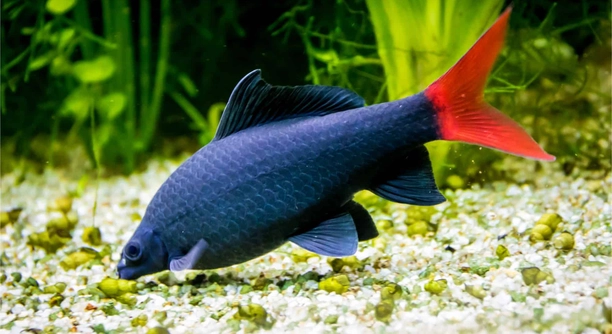
Rainbow sharks are popular aquarium fish known for their striking colors and active behavior. They often need social interaction to thrive but can sometimes appear lonely in home tanks. Understanding their needs helps create a healthier environment for them.
Preventing rainbow shark loneliness involves providing adequate tank space, suitable companions, and proper hiding spots. Regular monitoring of their behavior and maintaining optimal water conditions also play key roles in reducing stress and encouraging natural activity.
These tips will help maintain a balanced tank where your rainbow shark feels secure and engaged. Keeping their well-being in mind supports a happier, healthier fish.
Provide Adequate Tank Space
Rainbow sharks need enough room to swim and explore. A small tank can cause stress and lead to aggressive behavior or loneliness. A minimum of 30 gallons is recommended for a single rainbow shark, but larger tanks are better when keeping multiple fish. The extra space helps reduce territorial disputes and allows the fish to establish their own zones. Proper tank size also promotes healthier activity and lessens the chance of boredom. When a rainbow shark has room to move freely, it feels more secure and less isolated. Including decorations and plants gives hiding places and resting spots, which further supports their well-being. Ensuring the tank is large enough is the first step in preventing loneliness.
Maintaining an appropriate tank size is essential for your rainbow shark’s mental and physical health. It helps keep their behavior balanced.
Creating an environment with enough space allows rainbow sharks to live naturally. They can swim actively without feeling cramped. This space also lowers the chance of stress-related issues. When combined with proper tank mates and hiding spots, your fish will be more comfortable and less likely to feel lonely or anxious.
Choose Suitable Tank Mates
Rainbow sharks are semi-aggressive, so tank mates must be chosen carefully. Avoid smaller fish that could be seen as prey or overly aggressive species that may cause harm. Ideal companions include larger, fast-moving fish that can hold their own but won’t bully the rainbow shark. Peaceful bottom dwellers and mid-level swimmers can coexist well if the tank is spacious. Monitoring interactions is important to ensure all fish remain healthy and stress-free. Introducing new tank mates slowly and observing behavior can prevent conflicts. Compatible companions reduce the chance of loneliness by providing social interaction without causing distress. This balance is key to a harmonious aquarium.
Maintain Proper Water Conditions
Consistent water quality is critical for rainbow sharks to feel secure and active. Poor water conditions increase stress, leading to loneliness and illness. Testing water regularly helps catch problems early.
Maintaining stable water parameters such as temperature, pH, and ammonia levels is essential. Rainbow sharks prefer temperatures between 72°F and 79°F and a neutral to slightly acidic pH. Keeping ammonia and nitrite at zero is crucial, while nitrate levels should remain low. Frequent water changes and a good filtration system help achieve these conditions. Clean, well-oxygenated water encourages natural behavior and reduces signs of stress or withdrawal.
Monitoring water conditions daily ensures your rainbow shark’s environment stays healthy. Even small changes can affect their mood and interaction with tank mates. Proper water quality supports overall health and helps prevent behavioral issues related to loneliness.
Provide Hiding Spots and Decorations
Hiding spots reduce stress and offer a sense of security for rainbow sharks. Plants, caves, and decorations create natural shelters.
These hiding places allow your fish to retreat when feeling threatened or overwhelmed. They reduce competition and aggression by giving each fish a personal space. Natural decorations like smooth rocks and driftwood work well, as do artificial caves designed for aquariums. Position hiding spots throughout the tank to give options for retreat. Overcrowding the tank with too many decorations should be avoided to maintain swimming space. A balanced setup supports your rainbow shark’s mental well-being and reduces signs of loneliness or stress, making the tank a more comfortable home.
Monitor Behavior Regularly
Observing your rainbow shark’s behavior helps detect loneliness early. Changes in activity or appetite can signal stress or isolation.
Regular checks allow timely adjustments to tank conditions or social settings. Early action prevents long-term issues and supports the fish’s well-being.
Feed a Balanced Diet
A healthy diet impacts your rainbow shark’s mood and energy. Feeding high-quality pellets, supplemented with occasional live or frozen foods, meets nutritional needs.
Consistent feeding schedules and varied food types keep your fish engaged and prevent boredom. Proper nutrition supports overall health and encourages natural behavior.
Keep the Tank Clean
Regular cleaning reduces harmful toxins and maintains water clarity. Remove uneaten food and debris promptly to avoid pollution.
A clean tank supports a healthier environment, reducing stress that can lead to loneliness or disease in rainbow sharks.
How can I tell if my rainbow shark is lonely?
Loneliness in rainbow sharks often shows through changes in behavior. Your fish may become less active, hide more often, or show signs of stress like rapid breathing or faded colors. Sometimes they become aggressive toward tank mates or stop eating. Watching for these signs regularly helps catch loneliness early. Behavioral changes usually indicate the need for adjustments in their environment, such as adding tank mates or increasing tank size.
Is it okay to keep multiple rainbow sharks together?
Rainbow sharks are semi-aggressive and territorial, so keeping more than one in a small tank can cause fights and stress. If you want to keep multiple rainbow sharks, ensure the tank is large enough—preferably over 55 gallons—with plenty of hiding spots. This space helps reduce territorial disputes. Proper tank mates and decorations can also lessen aggression. Careful observation is necessary when introducing more than one rainbow shark to avoid injuries and loneliness caused by stress.
What are good tank mates for rainbow sharks?
Good tank mates include larger, peaceful fish that occupy different parts of the tank. Species like danios, barbs, and certain cichlids often work well. Avoid small, slow-moving fish that might be bullied or aggressive species that may provoke fights. Bottom dwellers like Corydoras catfish can coexist if the tank is large and well-structured. Selecting compatible fish reduces stress and provides social interaction for your rainbow shark, which helps prevent loneliness.
How often should I change the water in my rainbow shark tank?
Changing 20-25% of the water weekly is ideal for maintaining good water quality. Regular water changes remove toxins and waste that build up over time. Using a water conditioner to remove chlorine and chloramines from tap water is essential. Keeping water parameters stable helps your rainbow shark feel secure and healthy. Frequent water changes support natural behavior and reduce signs of stress or loneliness caused by poor conditions.
Can decorations really reduce loneliness in rainbow sharks?
Yes, decorations offer hiding spots that help rainbow sharks feel safe. When they have places to retreat, they experience less stress and are less likely to act out aggressively or hide continuously. Natural-looking decorations such as rocks, driftwood, and plants create a comfortable environment. Multiple hiding areas also reduce competition for space among tank mates, promoting peace in the aquarium. A well-decorated tank improves your fish’s mental well-being.
Should I feed my rainbow shark live food?
Feeding live food occasionally can enrich your rainbow shark’s diet and stimulate natural hunting behavior. Live foods like bloodworms or brine shrimp provide variety and extra nutrients. However, live food should not replace a balanced pellet or flake diet. Always ensure live food is from a reliable source to avoid introducing diseases. Feeding a mix of live, frozen, and prepared foods helps keep your rainbow shark healthy and mentally engaged.
What temperature is best for rainbow sharks?
Rainbow sharks thrive between 72°F and 79°F (22°C to 26°C). Keeping the temperature stable within this range is important for their metabolism and activity levels. Sudden temperature changes can stress the fish, causing them to become withdrawn or aggressive. Using a reliable aquarium heater and thermometer helps maintain a consistent environment, supporting your rainbow shark’s overall health and reducing signs of loneliness.
How can I reduce aggression in a community tank with rainbow sharks?
Reducing aggression requires enough space, hiding spots, and compatible tank mates. Overcrowding or a small tank increases territorial disputes. Adding plants, rocks, and caves provides personal spaces for each fish. Avoiding overly aggressive species and feeding the fish well helps keep behavior calm. If aggression continues, separating the rainbow shark or rearranging the tank layout may be necessary. Proper management fosters harmony and reduces stress-related loneliness.
What should I do if my rainbow shark is hiding all the time?
If your rainbow shark hides constantly, it may be stressed, sick, or lonely. Check water quality, tank size, and tank mates for any issues. Providing more hiding spots or better companions might help. If hiding continues, look for signs of illness and consider consulting a vet or fish expert. Consistent hiding reduces activity and can harm the fish’s well-being, so timely action is important.
Can a rainbow shark live happily alone?
Rainbow sharks can live alone but still need a well-maintained environment with enough space and enrichment. Without suitable tank mates or enough stimulation, they may become bored or stressed. Loneliness can lead to health problems or aggressive behavior. Providing hiding spots, good water quality, and regular interaction with their environment helps keep a single rainbow shark happy and healthy.
Preventing loneliness in rainbow sharks is important for their health and happiness. These fish need more than just clean water and food. They require space, company, and a comfortable environment to thrive. When these needs are met, rainbow sharks show more natural behavior, stay active, and have brighter colors. Taking the time to arrange their tank properly and monitor their well-being helps avoid stress and loneliness. This is beneficial for both the fish and the aquarium owner.
Providing enough space is one of the most effective ways to prevent loneliness. A small tank can make rainbow sharks feel cramped and stressed, leading to aggressive behavior or withdrawal. When the tank is large enough, the fish can swim freely and claim their own territory. Adding decorations and hiding spots helps create areas where they can feel safe. These elements reduce stress and encourage social behavior when combined with the right tank mates. Proper tank setup plays a key role in supporting the mental and physical health of rainbow sharks.
Maintaining stable water conditions and feeding a balanced diet also contributes to their well-being. Clean water reduces stress and disease risks, while nutritious food supports energy and vitality. Regular observation of your rainbow shark’s behavior is important to catch any signs of loneliness early. If problems arise, adjustments can be made to improve the environment. A calm, healthy rainbow shark is more likely to thrive and live longer. Caring for these fish thoughtfully ensures they remain active and comfortable in their aquatic home.

Hello,
If you enjoy the content that we create, please consider saying a "Thank You!" by leaving a tip.
Every little bit helps us continue crafting quality advice that supports the health, happiness, and well-being of pets around the world, for pets of all shapes, sizes, and species.
We really appreciate the kindness and support that you show us!