
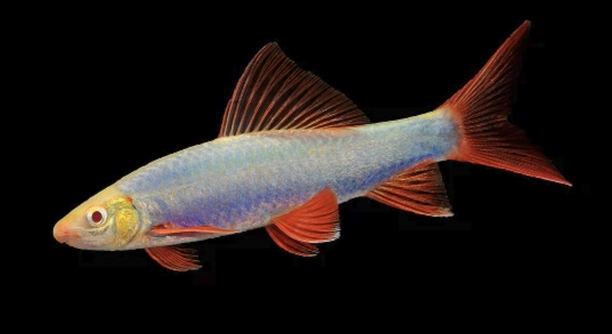
Are your rainbow shark fish refusing to eat despite your care? This common issue can be frustrating for fish owners who want their pets to thrive in a healthy environment. Understanding the reasons behind their behavior is important.
Rainbow sharks may stop eating due to stress, poor water conditions, improper diet, or illness. Identifying and correcting these issues quickly ensures their health and encourages normal feeding habits in aquarium settings.
Recognizing these causes helps maintain a balanced tank and supports your fish’s well-being over time.
Check Water Quality and Tank Conditions
Maintaining good water quality is essential for a rainbow shark’s appetite. Poor water conditions cause stress, which can make your fish refuse food. Test the water regularly for ammonia, nitrites, nitrates, and pH levels. These parameters should be stable and within the recommended range for rainbow sharks. Make sure the tank is clean and the water temperature stays between 74°F and 80°F (23°C to 27°C). Frequent water changes help keep the environment healthy. Avoid overcrowding the tank, as it increases waste and stress levels. Proper filtration and aeration are also important to maintain oxygen levels. If you notice any cloudiness or foul smell in the water, act quickly to improve conditions. Healthy water encourages normal feeding behavior and supports your fish’s immune system.
Regular testing and water changes are key to preventing feeding issues caused by poor tank conditions.
A clean, stable environment is the foundation for your rainbow shark’s well-being. Consistent water quality checks prevent the build-up of harmful toxins and create a comfortable habitat. Monitoring temperature and avoiding overcrowding reduce stress, which directly affects appetite. Remember that sudden changes in water parameters can cause your fish to stop eating temporarily. Keeping a routine helps your rainbow shark adjust and stay healthy. Additionally, ensure the tank is properly cycled before introducing new fish. A balanced ecosystem supports natural feeding patterns and reduces the risk of disease. Taking these steps makes it easier to identify other causes if eating problems continue.
Offer a Balanced and Appropriate Diet
Rainbow sharks need a varied diet that mimics their natural feeding habits. Providing the right type of food encourages regular eating. Include high-quality sinking pellets designed for omnivorous fish as the main diet. Supplement with live or frozen foods like bloodworms, brine shrimp, or daphnia to add nutrients and interest. Vegetables such as zucchini or spinach can be offered occasionally to provide fiber. Avoid overfeeding, as leftover food can pollute the water and cause health problems. Feed small amounts once or twice daily, enough for the fish to consume within a few minutes. Monitor how your rainbow shark responds to different foods and adjust accordingly. A balanced diet supports growth, color, and energy levels.
Consistent feeding routines with quality food improve appetite and overall health.
By offering a variety of foods, you meet the nutritional needs of rainbow sharks while keeping them engaged during feeding times. Commercial pellets provide essential vitamins and minerals, but live or frozen foods add protein and stimulate natural hunting instincts. Including vegetables prevents digestive issues and enhances vitality. Avoid feeding too much or too often, as it leads to obesity and deteriorates water quality. Observing your fish’s preferences can help you tailor the diet to encourage regular eating. Feeding at the same time daily establishes a routine that reduces stress. This approach helps maintain a healthy, active fish that enjoys its meals.
Reduce Stress in the Tank
Stress often causes rainbow sharks to stop eating. Common stressors include aggressive tank mates, sudden changes in environment, or lack of hiding spaces. Minimizing these factors is essential for restoring appetite.
To reduce stress, avoid overcrowding and remove aggressive fish that may harass your rainbow shark. Provide plenty of hiding spots using plants, rocks, or decorations where your fish can retreat when feeling threatened. Keeping the tank environment stable, with minimal sudden changes in lighting or water parameters, also helps. Consistent routines in feeding and maintenance support a calm atmosphere.
If stress persists despite these changes, consider isolating your rainbow shark temporarily in a separate tank to recover. A stress-free environment allows your fish to regain normal feeding habits and improves its overall health.
Monitor for Illness and Parasites
Illness or parasites can make a rainbow shark lose its appetite. Symptoms like lethargy, clamped fins, or unusual spots require immediate attention. Early diagnosis improves treatment success.
Observe your fish closely for visible signs of disease or parasites. Common issues include fungal infections, bacterial diseases, or internal parasites that affect digestion. Testing water quality and ensuring it is optimal reduces the risk of infections. If illness is suspected, isolate the fish to prevent spreading and consult an aquatic veterinarian or specialist for proper medication.
Treatment often involves medicated food, water conditioners, or antibiotics depending on the diagnosis. Prompt action helps restore your fish’s health and appetite. Regular tank cleaning and quarantine of new fish prevent future outbreaks and protect your aquarium ecosystem.
Adjust Feeding Schedule
Rainbow sharks may refuse food if their feeding times are inconsistent. Establishing a regular schedule helps their internal rhythm and encourages steady eating habits.
Feed your fish once or twice daily at the same times. Avoid feeding too late in the day to prevent leftover food from decaying overnight.
Improve Tank Environment
Proper tank setup is crucial for rainbow sharks to feel secure and eat normally. Ensure the tank has enough space—at least 30 gallons—and avoid overcrowding. Provide good water flow and a balanced mix of open swimming areas and hiding places. Consistent lighting that mimics natural day and night cycles supports healthy behavior and appetite. These factors reduce stress and help your fish settle into a routine, promoting regular feeding.
Observe Behavior Changes
Changes in behavior often signal underlying problems affecting appetite. Watch your rainbow shark closely to catch early signs.
FAQ
Why won’t my rainbow shark eat at all?
A rainbow shark may stop eating due to stress, poor water quality, illness, or an improper diet. Check water parameters like ammonia, nitrites, and pH immediately. Look for signs of disease or parasites. Also, ensure the tank environment is calm and your feeding routine is consistent. These factors are often the main reasons for appetite loss.
How can I tell if my rainbow shark is sick?
Common signs of illness include lethargy, faded colors, clamped fins, abnormal swimming, and spots or sores on the body. Loss of appetite often accompanies these symptoms. If you notice any of these, isolate the fish and consider consulting an aquatic specialist for diagnosis and treatment.
Can poor water conditions make my fish stop eating?
Yes. High levels of toxins like ammonia or nitrites, incorrect pH, or sudden temperature changes can stress rainbow sharks. This stress suppresses appetite and weakens their immune system. Regular water tests and maintenance keep conditions stable and support healthy feeding behavior.
What is the best diet for a rainbow shark?
A varied diet is essential. Use high-quality sinking pellets as a staple. Supplement with live or frozen foods like bloodworms or brine shrimp to add protein. Occasional vegetables, such as zucchini or spinach, help with digestion. Avoid overfeeding to maintain water quality and fish health.
How often should I feed my rainbow shark?
Feed once or twice a day with small portions that your fish can finish in a few minutes. Overfeeding can lead to leftover food polluting the tank and causing health problems. Keeping a consistent feeding schedule reduces stress and encourages regular eating.
Will tank mates affect my rainbow shark’s appetite?
Aggressive or overly active tank mates can stress rainbow sharks, leading to loss of appetite. Avoid housing them with overly aggressive species. Provide plenty of hiding spots so your rainbow shark can escape harassment and feel secure enough to eat normally.
How can I reduce stress for my rainbow shark?
Maintain stable water conditions and avoid sudden changes in temperature or lighting. Provide hiding places with plants or decorations. Keep tank population balanced to reduce competition and bullying. A peaceful environment supports regular feeding and overall health.
Is it normal for rainbow sharks to stop eating temporarily?
Yes, brief periods of appetite loss can occur during changes in environment, water conditions, or after introducing new tank mates. If the loss of appetite lasts more than a few days or is accompanied by other symptoms, it needs investigation.
Should I isolate my rainbow shark if it stops eating?
Isolation can help if illness or bullying is suspected. Placing the fish in a quarantine tank allows better monitoring and targeted treatment if needed. However, isolation should be temporary and combined with improvements in tank conditions.
Can temperature affect feeding habits?
Rainbow sharks prefer water between 74°F and 80°F (23°C to 27°C). Temperatures outside this range can stress the fish and reduce appetite. Use a reliable heater and thermometer to maintain stable temperatures.
What are signs that my fish is stressed?
Signs include hiding excessively, rapid breathing, clamped fins, erratic swimming, or aggression. Stress weakens the immune system and causes appetite loss. Improving tank conditions and reducing disturbances helps your fish recover.
How can I encourage a picky rainbow shark to eat?
Offer a variety of foods like sinking pellets, live or frozen treats, and vegetables. Try feeding at different times and in different parts of the tank. Reducing stress and improving water quality also helps encourage eating.
Is overfeeding harmful to rainbow sharks?
Yes. Overfeeding leads to excess waste, poor water quality, and potential obesity in fish. This can cause illness and reduce appetite. Feed small amounts appropriate for your fish’s size and tank conditions.
What role does tank size play in my rainbow shark’s eating habits?
Rainbow sharks need at least 30 gallons of space to thrive. Smaller tanks cause stress due to limited swimming space and poor water quality. Larger, well-maintained tanks support better health and feeding behavior.
How long can a rainbow shark survive without food?
Healthy rainbow sharks can survive a few days without eating, but longer fasting weakens them and increases the risk of disease. Identifying and addressing feeding issues promptly is important to prevent long-term problems.
Can lighting affect my rainbow shark’s appetite?
Consistent lighting that mimics natural day and night cycles supports regular behavior, including feeding. Sudden or extreme changes in lighting can stress fish and disrupt their appetite.
What should I do if my rainbow shark refuses all types of food?
First, check water quality and tank conditions. Next, look for signs of illness or stress. Try isolating the fish to reduce stress and monitor closely. If the problem persists, seek advice from an aquatic veterinarian or experienced fish keeper.
Are there any signs that indicate my rainbow shark is ready to eat again?
Increased activity, exploring the tank, brightening colors, and showing interest during feeding times are positive signs. Gradual return of appetite usually follows once stress or illness is treated.
How important is quarantine for new fish?
Quarantining new fish before adding them to the main tank prevents introducing diseases or parasites that can affect appetite and health. A quarantine period of at least two weeks is recommended.
Can changing the tank layout help with feeding issues?
Sometimes, rearranging decorations or adding plants can reduce stress by providing new hiding spots. This can help your rainbow shark feel more secure and encourage eating.
What are the common diseases affecting rainbow sharks?
Bacterial infections, fungal diseases, and parasites like ich are common. These conditions often cause appetite loss, lethargy, and visible symptoms. Prompt treatment is necessary to restore health.
How can I safely medicate my rainbow shark?
Use medications designed for aquarium fish and follow the instructions carefully. Isolate the fish in a hospital tank if possible. Maintain excellent water quality during treatment to avoid additional stress.
Can stress from moving the tank cause appetite loss?
Yes. Moving or rearranging the tank can be stressful. Make changes gradually, and try to keep conditions consistent to help your fish adapt and resume eating normally.
Is fasting ever recommended for rainbow sharks?
Short fasts of one or two days can help clear the digestive system. However, extended fasting is harmful. Always return to a balanced feeding routine afterward.
How can I tell if my rainbow shark’s diet is balanced?
Your fish should have vibrant colors, active behavior, and regular appetite. Lack of these signs may indicate nutritional deficiencies, requiring diet adjustments.
Does temperature shock affect feeding?
Sudden temperature changes shock the fish and can stop their appetite. Keep temperature stable using proper equipment and avoid rapid water changes.
What role does tank cleaning play in appetite?
Regular cleaning removes waste and toxins that stress fish. A clean tank supports healthy feeding habits and reduces illness risk.
Are live plants beneficial for rainbow sharks?
Live plants improve water quality and provide hiding spots, reducing stress. This can encourage better feeding behavior.
How do I handle picky eating habits?
Offer a variety of foods and maintain a routine. Sometimes, patience and small adjustments in diet and environment are needed to encourage eating.
Taking care of a rainbow shark that won’t eat can be challenging, but addressing the main factors often helps solve the problem. Ensuring good water quality and stable tank conditions is the first step. Poor water conditions cause stress and health issues that lead to loss of appetite. Regular testing and cleaning maintain a safe environment for your fish. Feeding a balanced diet suited to their needs is also essential. Providing a variety of foods in appropriate amounts supports their health and encourages regular eating habits.
Stress plays a significant role in why a rainbow shark might stop eating. Stress can come from aggressive tank mates, overcrowding, or sudden changes in the tank setup. Providing enough hiding places and keeping the environment calm helps reduce stress. Observing your fish for any signs of illness or unusual behavior is important. Illness and parasites can also cause a loss of appetite and need to be addressed quickly to prevent worsening health. Isolating the fish for treatment can sometimes be necessary to protect the whole tank.
Being patient and consistent in your care routine is key. Feeding your rainbow shark at the same times each day and maintaining stable tank conditions help create a sense of security. Avoid overfeeding, as leftover food can harm water quality and the fish’s health. If your rainbow shark still refuses to eat after improving the environment and diet, consulting a specialist is a good next step. With proper attention and care, your rainbow shark can regain its appetite and thrive in its home.

Hello,
If you enjoy the content that we create, please consider saying a "Thank You!" by leaving a tip.
Every little bit helps us continue crafting quality advice that supports the health, happiness, and well-being of pets around the world, for pets of all shapes, sizes, and species.
We really appreciate the kindness and support that you show us!