
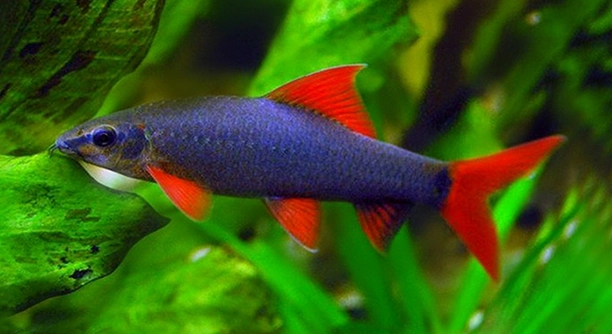
Rainbow sharks are popular freshwater fish for community tanks because of their striking colors and peaceful behavior. Many aquarists enjoy keeping them alongside other species. Proper care is essential to keep these fish healthy and vibrant in a shared environment.
To maintain a rainbow shark’s health in a community tank, focus on water quality, tank size, diet, hiding spots, compatible tank mates, regular monitoring, and stress reduction. These factors work together to support the fish’s well-being and longevity.
Knowing how to care for your rainbow shark will help you create a balanced and thriving tank. The following tips provide clear guidance for every aquarium enthusiast.
Maintaining Water Quality for Rainbow Sharks
Maintaining clean water is crucial for keeping your rainbow shark healthy. These fish are sensitive to poor water conditions, which can cause stress and illness. Regular water changes help remove harmful toxins and keep nitrate and ammonia levels low. Testing water parameters weekly is important to ensure pH, temperature, and hardness remain stable. Rainbow sharks prefer a slightly acidic to neutral pH around 6.5 to 7.5 and temperatures between 72 and 79°F (22 to 26°C). Using a good filtration system is essential to remove waste and keep water clear. Avoid overcrowding the tank, as this increases waste and reduces water quality. Proper water maintenance prevents common problems such as fin rot, fungal infections, and lethargy. Keeping the water clean also supports the health of other community tank inhabitants, making the entire aquarium a better environment for all fish.
Regular water testing and changes are necessary to maintain a stable and healthy aquatic environment for your rainbow shark.
Water quality directly impacts your rainbow shark’s health. Stable water conditions reduce stress and disease risk, ensuring the fish thrives. A clean environment also helps prevent aggressive behavior often triggered by discomfort. By investing time in water care, you protect your rainbow shark and other tank mates. This creates a balanced ecosystem where all fish can live peacefully. Effective filtration combined with consistent monitoring supports long-term tank stability. Always follow recommended guidelines for water parameters specific to rainbow sharks to avoid complications. Proper maintenance avoids many common aquarium problems, saving time and effort in the long run. Consistency in water care is the key factor in promoting your rainbow shark’s vitality and color. Keep these principles in mind to provide a safe and healthy home for your fish.
Choosing Suitable Tank Mates
Rainbow sharks do best with peaceful fish that occupy different parts of the tank. Aggressive or overly territorial species should be avoided to reduce stress and injury risks. Good tank mates include tetras, barbs, and danios, which generally swim in the upper or middle water levels. Avoid keeping multiple rainbow sharks together unless the tank is very large, as they can be territorial. Introducing fish gradually allows them to adjust and helps monitor compatibility. Providing enough hiding spots also reduces conflicts by giving fish places to retreat. Watching behavior closely after adding new tank mates helps catch problems early. Proper selection and care create a harmonious environment that benefits all fish in the aquarium.
Providing Proper Diet
Rainbow sharks require a balanced diet to stay healthy. They are omnivores and need both plant and protein-based foods for optimal growth and coloration.
A varied diet including high-quality pellets or flakes, supplemented with live or frozen foods like bloodworms, brine shrimp, and daphnia, helps meet their nutritional needs. Additionally, offering some vegetable matter, such as blanched spinach or zucchini, supports digestion and overall health. Feeding small amounts two to three times daily prevents overfeeding and reduces waste buildup in the tank. This balanced approach promotes vibrant colors and strengthens the immune system, making the fish more resistant to disease.
Avoid feeding only one type of food, as it can lead to nutritional deficiencies. Overfeeding can cause obesity and poor water quality, so measure portions carefully. Keeping a consistent feeding schedule creates a routine that helps the fish thrive and reduces stress.
Creating Hiding Spots and Territory
Rainbow sharks are naturally territorial and appreciate places to hide. Providing caves, plants, and decorations helps reduce aggression by giving each fish a personal space.
Hiding spots offer shelter and security, which lowers stress and supports natural behaviors. These spaces help the rainbow shark feel safe and less likely to compete aggressively with tank mates. Position hiding places in different areas of the tank to prevent conflicts. Live plants can also improve water quality and enhance the tank’s appearance. Regularly rearranging decorations can help keep the environment stimulating without stressing the fish. A well-structured tank with adequate shelter promotes harmony and overall well-being among your aquatic community.
Monitoring Behavior Regularly
Regular observation of your rainbow shark helps catch health or stress issues early. Watch for changes in swimming, eating, or interaction with other fish.
Signs like hiding more than usual, loss of appetite, or unusual spots may indicate illness or poor tank conditions. Early detection allows for timely intervention and better treatment outcomes.
Managing Tank Size
Rainbow sharks need enough space to swim freely and establish territories. A minimum tank size of 55 gallons is recommended for a single fish. Smaller tanks can cause stress and aggression, affecting their health and the community’s harmony.
Reducing Stress Factors
Keeping the tank environment stable and peaceful is essential to reduce stress. Avoid sudden changes in temperature, lighting, or water chemistry.
Regular Maintenance Routine
Consistent cleaning and water changes are key to preventing disease and keeping your rainbow shark healthy.
How often should I change the water in my rainbow shark’s tank?
Water changes are essential to maintain a healthy environment for your rainbow shark. A weekly water change of about 20-30% is recommended to keep nitrate and ammonia levels low. More frequent changes may be needed if the tank is heavily stocked or if water parameters fluctuate. Always use dechlorinated water at the same temperature as the tank to avoid shocking the fish. Consistent water changes reduce toxins and support overall fish health.
What is the ideal tank temperature for rainbow sharks?
Rainbow sharks thrive in water temperatures between 72°F and 79°F (22°C to 26°C). Maintaining this range ensures proper metabolism and immune function. Sudden temperature changes should be avoided, as they can stress the fish and increase susceptibility to disease. Using a reliable heater and thermometer helps keep the temperature stable. Keeping the temperature steady also supports the health of other tropical fish in the community tank.
Can rainbow sharks live with other fish?
Yes, rainbow sharks can live peacefully with other fish if tank mates are chosen carefully. Ideal companions are peaceful, mid-to-top water dwellers like tetras, danios, or barbs. Avoid aggressive or territorial species that may provoke stress or fights. Keep only one rainbow shark per tank unless the aquarium is very large, as they can become territorial. Provide plenty of hiding spots to minimize conflicts.
What should I feed my rainbow shark?
Rainbow sharks need a varied diet that includes high-quality sinking pellets or flakes, along with occasional live or frozen foods like bloodworms, brine shrimp, or daphnia. Supplementing their diet with blanched vegetables like zucchini or spinach supports digestion. Feed small amounts two to three times daily, avoiding overfeeding to maintain water quality and prevent obesity.
How large should my tank be for a rainbow shark?
A minimum tank size of 55 gallons is recommended for a single rainbow shark. This allows enough space for swimming and territory establishment. Larger tanks are needed if housing multiple fish or a community setup. Smaller tanks can cause stress, territorial aggression, and poor water quality. Providing adequate space helps maintain the fish’s health and reduces conflicts.
Why is my rainbow shark hiding all the time?
Hiding can be normal behavior, especially if the fish is adjusting to a new tank or feels threatened. However, excessive hiding may signal stress, illness, or poor water conditions. Check water parameters, tank mates, and environment to identify possible causes. Providing sufficient hiding spots and ensuring compatible tank mates can reduce stress and encourage more natural behavior.
How do I prevent aggression between rainbow sharks and other fish?
Aggression often stems from territorial disputes or overcrowding. Avoid keeping multiple rainbow sharks in a small tank. Choose peaceful, non-territorial tank mates and provide plenty of hiding spaces to reduce competition. Maintaining good water quality and minimizing stressors also helps. Observe the fish regularly and separate aggressive individuals if necessary.
What diseases are common in rainbow sharks?
Common health issues include fin rot, ich, and fungal infections, often caused by poor water quality or stress. Early signs include faded color, clamped fins, white spots, or lethargy. Maintaining clean water, stable conditions, and a balanced diet helps prevent disease. Quarantining new fish before adding them to the tank also reduces risks.
How often should I feed my rainbow shark?
Feeding two to three times daily with small portions is ideal. This schedule prevents overfeeding, which can lead to obesity and poor water quality. Monitor your fish’s appetite and adjust feeding amounts accordingly. Remove uneaten food promptly to avoid waste buildup in the tank.
Can rainbow sharks live without hiding places?
While they may survive without hiding spots, providing shelters reduces stress and encourages natural behavior. Hiding places offer safety and territory boundaries, which can lower aggression. Including caves, plants, or decorations enhances their environment and overall well-being. A well-structured tank promotes a peaceful community.
Taking care of a rainbow shark in a community tank requires attention to several important factors. Water quality is one of the most critical aspects. Keeping the tank clean with regular water changes and proper filtration ensures a safe environment for the fish. Maintaining stable temperature and pH levels also supports their health. Without good water conditions, rainbow sharks can become stressed, which makes them more prone to illness. Regularly testing the water and watching for any changes helps prevent problems before they start. This consistent care creates a stable home where your rainbow shark can thrive.
Feeding a balanced diet is another key to keeping your rainbow shark healthy. These fish need a mix of plant-based and protein-rich foods to maintain their vibrant colors and strong immune systems. Offering a variety of foods like sinking pellets, frozen or live treats, and vegetables provides the nutrients they need. Overfeeding should be avoided to prevent obesity and poor water quality, which can lead to health issues. Feeding smaller amounts several times a day works best and helps maintain cleanliness in the tank. Paying attention to their eating habits will let you know if something is wrong.
Lastly, creating a suitable environment with enough space and hiding spots is important for your rainbow shark’s well-being. These fish can be territorial, so a tank that is large enough allows them to swim freely and reduce stress. Providing caves, plants, and decorations gives them places to retreat and feel secure. This setup helps prevent aggressive behavior toward other tank mates and supports natural habits. Watching your rainbow shark regularly lets you notice any signs of stress or illness early on. With steady care and attention, your rainbow shark can live a healthy, peaceful life in a community tank.

Hello,
If you enjoy the content that we create, please consider saying a "Thank You!" by leaving a tip.
Every little bit helps us continue crafting quality advice that supports the health, happiness, and well-being of pets around the world, for pets of all shapes, sizes, and species.
We really appreciate the kindness and support that you show us!