
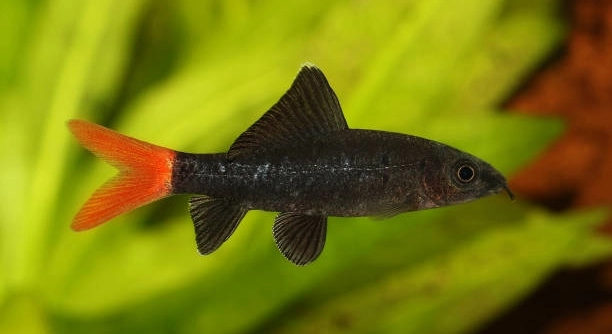
Rainbow sharks are popular freshwater fish known for their striking colors and active behavior. Many aquarium owners enjoy keeping them as pets due to their unique appearance. However, these fish can sometimes experience stress or illness that affects their health and well-being.
Identifying whether a rainbow shark is sick or stressed involves observing changes in behavior, appetite, coloration, and physical condition. Common signs include lethargy, loss of appetite, faded colors, abnormal swimming patterns, and visible injuries or spots. Early detection is crucial for effective care and recovery.
Knowing these signs helps you provide better care and maintain a healthy environment for your rainbow shark. This article explains seven important ways to recognize when your fish needs attention.
Changes in Behavior
Rainbow sharks usually swim actively and explore their tank. When they become sick or stressed, their behavior can change noticeably. They may hide more often, stay at the bottom, or swim erratically. Sometimes, they become lethargic and show little interest in their surroundings. These shifts in activity levels are important signals that something may be wrong. Observing your fish regularly helps you spot these changes early before the condition worsens.
Behavior changes often appear before physical symptoms. Pay attention to your fish’s daily habits to catch problems early.
Behavior is one of the first signs to watch. When your rainbow shark stops swimming normally or acts differently, it’s time to check water quality and tank conditions. Stress or sickness can make fish vulnerable to infections, so early action is key to keeping them healthy.
Loss of Appetite
A sudden loss of appetite is a common sign that your rainbow shark may be stressed or ill. Healthy rainbow sharks eagerly eat at feeding times, but when sick, they might refuse food or eat very little. This can weaken their immune system and delay recovery. Loss of appetite can be caused by poor water conditions, parasites, or injury. Ensuring a balanced diet and a clean tank helps prevent this problem.
When your fish stops eating, it’s an urgent sign to investigate.
Loss of appetite often indicates internal or environmental issues. If your rainbow shark refuses food, check the water parameters such as ammonia, nitrite, and nitrate levels immediately. Poor water quality stresses the fish and can cause illness. Also, inspect the fish for signs of disease like white spots or swelling. Treating the water and providing a nutritious diet can help your fish regain its appetite and strength. Feeding high-quality foods and maintaining a stable environment supports recovery and reduces stress.
Faded or Dull Colors
Faded or dull colors often indicate stress or illness in rainbow sharks. Healthy fish display vibrant shades, so a noticeable color change is a warning sign.
Color fading can result from poor water quality, stress, or disease. When the environment is unsuitable, rainbow sharks lose their bright colors as a response to discomfort. Stressful conditions include overcrowding, aggressive tank mates, or sudden changes in water temperature. Illnesses like fungal infections or parasites also dull their appearance. Monitoring the tank’s conditions and maintaining cleanliness helps prevent these issues.
If your rainbow shark’s colors become dull, first test the water parameters and observe tank dynamics. Adjusting the environment and treating any illnesses will help the fish regain its natural vibrancy over time.
Erratic Swimming Patterns
Erratic swimming patterns are a clear sign your rainbow shark is under stress or ill. This can include spinning, darting, or crashing into tank objects.
Such behavior often results from irritation or discomfort caused by parasites or poor water conditions. Internal infections and physical injuries can also cause loss of coordination and unusual swimming. Stress may come from a sudden change in lighting or temperature, which unsettles the fish. Providing a stable, clean environment reduces erratic movements and promotes recovery. It’s important to remove any aggressive fish that may be causing stress. Regular observation helps identify these patterns early, allowing prompt treatment to avoid further complications.
Visible Injuries or Spots
Visible injuries or spots on your rainbow shark can indicate illness or stress. Look for redness, swelling, or unusual marks on the body and fins.
Parasites, bacterial infections, and physical damage cause these symptoms. Early treatment is important to prevent worsening conditions.
Gasping at the Surface
Gasping at the water surface suggests low oxygen levels or poor water quality. Rainbow sharks rely on well-oxygenated water to stay healthy.
Check water parameters and increase aeration if needed. Poor water conditions often cause this behavior and should be corrected promptly.
Clamped Fins
Clamped fins, where fins are held close to the body, are a sign of discomfort or disease. This behavior often occurs when the fish is stressed or sick.
Watching for clamped fins regularly helps catch problems early.
How can I improve water quality for my rainbow shark?
Improving water quality starts with regular tank maintenance. Perform partial water changes of about 20-30% weekly to keep toxins low. Use a reliable water test kit to monitor ammonia, nitrite, nitrate, and pH levels frequently. Keeping these parameters within the ideal range prevents stress and illness. Also, avoid overfeeding, as leftover food breaks down and pollutes the water. A good filtration system is essential—clean or replace filter media as needed but avoid washing it with tap water, which can kill beneficial bacteria. Adding live plants can help improve water quality naturally by absorbing some waste.
What are the best tank mates for rainbow sharks?
Rainbow sharks can be territorial, especially with similar-looking fish. Choose tank mates that are peaceful but fast swimmers to avoid conflicts. Good companions include larger tetras, danios, and certain catfish species like Corydoras. Avoid keeping them with slow-moving, long-finned fish such as bettas or guppies, as the shark might nip their fins. Also, avoid keeping more than one rainbow shark in a small tank to reduce aggression. Providing plenty of hiding spaces and plants helps reduce stress and territorial behavior.
What should I feed a rainbow shark to keep it healthy?
A balanced diet is key to keeping your rainbow shark healthy. Feed a mix of high-quality sinking pellets or wafers designed for omnivorous fish. Supplement their diet with live or frozen foods like bloodworms, brine shrimp, or daphnia to provide protein. Vegetables such as blanched zucchini or spinach are also appreciated. Feed small amounts twice a day and remove uneaten food to maintain water quality. Avoid overfeeding, as this can cause obesity and pollute the tank.
How do I know if my rainbow shark has parasites?
Parasites often cause visible signs like white spots, frayed fins, or excessive scratching against tank objects. Your fish may also display lethargy or rapid breathing. Sometimes, parasites are too small to see clearly but still cause discomfort. If you notice these symptoms, isolate the fish to prevent spread and treat with appropriate anti-parasitic medications. Maintaining good water quality and reducing stress can help prevent parasite infestations.
Can temperature changes affect my rainbow shark’s health?
Yes, rainbow sharks prefer stable temperatures between 74°F and 80°F (23°C–27°C). Sudden or extreme temperature changes can stress them and weaken their immune system. This makes them more susceptible to disease. Use a reliable aquarium heater and thermometer to keep the temperature steady. Avoid placing the tank near drafts, windows, or heating vents to prevent fluctuations.
What is the best way to treat a sick rainbow shark?
Start by identifying symptoms and testing water parameters. Quarantine the sick fish in a separate tank to avoid spreading illness. Treat the condition with medication suited to the diagnosis—antibiotics for bacterial infections, antiparasitics for parasites, and antifungal treatments if needed. Keep the quarantine tank clean and maintain optimal water conditions. Monitor the fish closely during treatment and adjust as necessary. If unsure about the illness, consult a specialist or vet.
How often should I clean my rainbow shark’s tank?
Regular cleaning is essential for a healthy environment. Perform partial water changes weekly, cleaning about 20-30% of the water. Remove debris, uneaten food, and waste from the substrate during these changes. Clean the filter media monthly but avoid washing it with chlorinated tap water to preserve beneficial bacteria. Regularly check decorations and plants for algae buildup. A clean tank helps prevent disease and keeps your rainbow shark stress-free.
Why does my rainbow shark hide all the time?
Frequent hiding often signals stress or discomfort. Causes include aggressive tank mates, poor water quality, or inadequate tank setup. Rainbow sharks need enough space and hiding spots like caves or plants to feel secure. If hiding increases suddenly, test water parameters and observe tankmates’ behavior. Adjusting the environment can encourage your fish to be more active and healthy.
Taking care of a rainbow shark requires attention to its health and behavior. Watching for signs of stress or illness can help you act early and prevent serious problems. Changes like dull colors, loss of appetite, or unusual swimming patterns are important to notice. These signs show that your fish may need better water quality, more suitable tank mates, or medical care. Being aware and responsive to your rainbow shark’s needs helps keep it healthy and happy.
Maintaining a clean tank with stable water conditions is essential for your rainbow shark’s well-being. Regular water changes, proper filtration, and monitoring of water parameters prevent many common issues. Stress often comes from poor environment, so creating a comfortable space with hiding spots and good companions makes a big difference. Feeding your fish a balanced diet also supports its immune system and energy levels. Taking these steps can reduce the chance of sickness and improve your fish’s quality of life.
If your rainbow shark shows signs of illness or stress, don’t delay in making changes or seeking advice. Early treatment can save your fish and avoid spreading problems to others in the tank. Keep learning about your fish’s behavior and environment, and make adjustments when needed. With consistent care and attention, your rainbow shark can thrive and remain a beautiful, active part of your aquarium.

Hello,
If you enjoy the content that we create, please consider saying a "Thank You!" by leaving a tip.
Every little bit helps us continue crafting quality advice that supports the health, happiness, and well-being of pets around the world, for pets of all shapes, sizes, and species.
We really appreciate the kindness and support that you show us!