
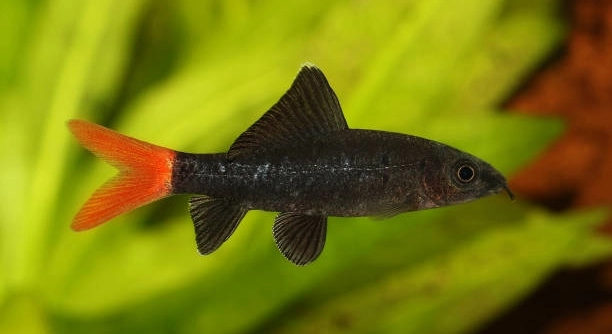
Rainbow sharks are popular aquarium fish known for their vibrant colors and peaceful nature. Many owners enjoy watching them swim gracefully in home tanks. However, these fish can become lonely if their social needs are not met properly.
Rainbow sharks require interaction and environmental enrichment to prevent loneliness. Providing suitable tank mates, adequate space, and hiding spots helps reduce stress and promotes natural behavior, ensuring their well-being in captivity.
These tips will help you create a comfortable and stimulating environment for your rainbow shark to thrive. Understanding their social needs is key to keeping them happy and healthy.
Understanding Rainbow Shark Behavior
Rainbow sharks are territorial fish that prefer having their own space in the tank. They can become stressed if they feel crowded or threatened by other fish. It’s important to know that they are not true sharks but freshwater fish that enjoy swimming near the bottom and middle of the tank. They are most active during the day and appreciate having hiding spots like plants or decorations to retreat to. Observing their behavior helps you identify signs of loneliness or stress, such as hiding excessively or losing color. Providing a balanced environment with suitable companions can keep your rainbow shark comfortable. Keeping water quality high and maintaining stable tank conditions are also essential for their well-being. When these needs are met, they show more natural activity and vibrant colors. Learning about their natural habits allows you to better care for them and prevent loneliness.
Rainbow sharks prefer a peaceful environment with moderate activity, avoiding aggressive tank mates.
Keeping a balance between tank mates and territory space reduces stress. Ensure at least 30 gallons for one rainbow shark, adding enough hiding places to mimic their natural habitat. This helps reduce aggressive encounters and loneliness, supporting their social needs without overcrowding.
Choosing the Right Tank Mates
Selecting compatible tank mates is crucial to prevent your rainbow shark from feeling isolated or threatened. Ideal companions include peaceful species that occupy different tank levels, like tetras or Corydoras catfish. Avoid other bottom dwellers that might compete for territory, as this can cause aggression. It’s best to introduce new fish slowly and watch for any signs of conflict. When the tank is properly stocked with diverse species, your rainbow shark will feel more secure and stimulated. Keep in mind that overcrowding causes stress and can lead to illness, so always research the adult size and temperament of each fish before adding them. Compatible companions help create a balanced social environment, promoting healthy interactions and reducing loneliness. Thoughtful choices improve the overall harmony in the tank, benefiting all inhabitants and enhancing your aquarium’s appeal.
Providing Enough Space
A spacious tank is essential for rainbow sharks to thrive. They need room to swim and establish territory without feeling cramped or stressed.
A minimum tank size of 30 gallons is recommended for one rainbow shark. If you want to keep more than one, increase the tank size accordingly. A larger tank allows for better separation between fish and reduces territorial disputes. It also gives your rainbow shark more space to explore and exhibit natural behaviors. Proper filtration and regular water changes are important in larger tanks to maintain water quality and a healthy environment.
Using plants and decorations can create natural boundaries and hiding places. These help reduce stress by giving your rainbow shark spots to retreat and feel safe. A well-arranged tank encourages peaceful interactions and lowers chances of loneliness or aggression.
Maintaining Water Quality
Water quality directly affects your rainbow shark’s health and mood. Poor water conditions can cause stress and illness.
Regular water testing and changes help maintain the right balance of ammonia, nitrites, and nitrates. Keep the temperature between 72°F and 79°F, and ensure good filtration and oxygenation. Clean tanks reduce stress and prevent disease, which can worsen loneliness in fish.
A stable, clean environment supports your rainbow shark’s immune system and behavior. Consistent maintenance promotes a peaceful habitat where your fish feels secure. This helps prevent lethargy and hiding, signs of loneliness caused by poor water quality.
Feeding Routine and Social Interaction
Consistent feeding times help establish a routine that your rainbow shark can anticipate. This reduces stress and promotes healthy behavior.
Offering a variety of foods supports their nutritional needs and encourages natural foraging activity. Feeding small amounts multiple times a day prevents overfeeding and keeps the fish active.
Signs of Loneliness in Rainbow Sharks
Loneliness in rainbow sharks can show as reduced activity, hiding more than usual, or losing their vibrant color. These signs indicate your fish may need better social or environmental conditions.
Using Plants to Reduce Stress
Live or artificial plants create hiding spots and boundaries in the tank. This helps your rainbow shark feel secure and less exposed to other fish. A well-planted tank mimics their natural environment, reducing stress and encouraging exploration.
How many rainbow sharks should I keep together?
Rainbow sharks are territorial fish that usually do best when kept singly in a 30-gallon tank. Keeping more than one can lead to aggression unless the tank is very large, around 55 gallons or more, with plenty of hiding places and decorations. If you want a group, make sure the tank is big enough to allow each fish its own space to reduce fighting. Adding different types of tank mates that live at other levels can also help. Always watch their behavior closely and be ready to separate any that show signs of stress or aggression.
What kind of tank mates are safe for rainbow sharks?
Peaceful fish that swim in the upper or middle levels of the tank work well with rainbow sharks. Good examples include tetras, danios, and Corydoras catfish. Avoid other bottom dwellers or aggressive fish that may compete for territory. Also, avoid slow-moving fish with long fins, as rainbow sharks can nip at them. The key is to choose species that won’t crowd or challenge your rainbow shark. Adding plants and decorations to create hiding spots can help all fish feel safe and reduce stress.
How do I know if my rainbow shark is lonely?
Signs of loneliness or stress in rainbow sharks include hiding for long periods, reduced swimming activity, and dull or faded coloration. Sometimes, they may become aggressive or restless. A lonely rainbow shark might also stop eating properly or lose interest in its environment. These behaviors indicate that the fish needs changes in its tank setup, such as adding tank mates, more hiding spaces, or improving water quality. Regular observation helps catch these signs early to keep your fish healthy and happy.
Can rainbow sharks live with other bottom dwellers?
It is best to avoid keeping rainbow sharks with other bottom-dwelling fish that have similar territory needs. These fish may compete for space and resources, leading to stress and aggression. However, if your tank is large enough and well-decorated with hiding places, it might be possible to keep certain bottom dwellers like Corydoras catfish peacefully. Monitor their behavior closely and be prepared to separate them if conflicts arise.
What should I feed my rainbow shark to keep it healthy?
Rainbow sharks are omnivores and need a balanced diet. High-quality sinking pellets or wafers designed for bottom feeders are a good staple. Supplement their diet with live or frozen foods like bloodworms, brine shrimp, and daphnia to provide protein. Occasionally offer vegetables like blanched spinach or zucchini to add fiber. Feeding small amounts twice a day prevents overfeeding and encourages natural foraging behavior. Variety in diet supports health and vitality.
How often should I clean the tank for my rainbow shark?
Regular tank maintenance is crucial. Perform partial water changes of 20-30% every week or two to keep water clean and stable. Check water parameters regularly to ensure ammonia, nitrite, and nitrate levels are safe. Clean the filter monthly but avoid washing it with tap water to preserve beneficial bacteria. Removing uneaten food and debris daily helps prevent waste buildup. Maintaining good water quality reduces stress and keeps your rainbow shark healthy and comfortable.
Do rainbow sharks need live plants in their tank?
Live plants are beneficial but not strictly required. They provide hiding spots, help improve water quality by absorbing nitrates, and create a more natural environment. If live plants are difficult to maintain, high-quality artificial plants can also offer shelter and reduce stress. Plants placed strategically help break line of sight and create territories, which lowers aggression and loneliness. Your rainbow shark will feel more secure with plenty of cover in the tank.
Can a rainbow shark be kept alone?
Yes, a rainbow shark can be kept alone and often does well in a single-specimen tank. They appreciate enough space to swim and explore. Keeping one reduces territorial disputes and aggression. However, an empty tank can sometimes cause boredom or stress if there is not enough enrichment like plants and decorations. Providing a stimulating environment with hiding places and varied tank decor helps a single rainbow shark stay healthy and active.
Taking care of a rainbow shark means paying attention to its environment and social needs. These fish are active and colorful, but they can become lonely or stressed if their tank is not set up properly. Making sure your rainbow shark has enough space, proper tank mates, and places to hide will help it feel secure. Good water quality and a balanced diet also play important roles in keeping the fish healthy and happy. When these needs are met, rainbow sharks tend to show natural behavior and vibrant colors, which is rewarding for any fish owner.
A key part of caring for rainbow sharks is understanding their territorial nature. While they are peaceful in many cases, they do require space to establish their own area in the tank. Overcrowding or pairing them with incompatible fish can cause stress and aggression. It is important to choose tank mates that live in different parts of the aquarium and avoid other bottom dwellers that compete for space. Decorating the tank with plants, rocks, or caves provides hiding spots and breaks up lines of sight. This helps reduce conflicts and gives your rainbow shark a feeling of safety.
Finally, paying close attention to your rainbow shark’s behavior and health will guide you in adjusting its care. Signs of loneliness or stress include hiding too much, loss of color, or reduced activity. By keeping a clean tank, feeding a varied diet, and creating a stimulating environment, you can prevent these problems. Rainbow sharks are beautiful and interesting fish that do well with proper care. With patience and knowledge, you can create a home where your rainbow shark feels comfortable and thrives for years to come.

Hello,
If you enjoy the content that we create, please consider saying a "Thank You!" by leaving a tip.
Every little bit helps us continue crafting quality advice that supports the health, happiness, and well-being of pets around the world, for pets of all shapes, sizes, and species.
We really appreciate the kindness and support that you show us!