
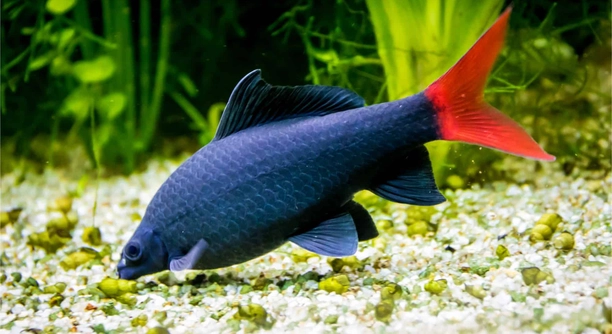
Keeping Rainbow Sharks in home aquariums can be rewarding, but their aggressive behavior often poses challenges. Understanding how to manage this aggression is essential for a peaceful tank environment. This article provides helpful tips to address their territorial nature effectively.
Aggression in Rainbow Sharks is primarily driven by territorial instincts and environmental stress. Managing aggression involves maintaining adequate tank size, providing hiding spaces, avoiding overcrowding, and monitoring water quality to reduce stress and promote harmony among fish.
These practical approaches will help you create a balanced and calm habitat for your Rainbow Sharks and other aquatic companions.
Understanding Rainbow Shark Behavior
Rainbow Sharks are naturally territorial fish. They often claim specific areas in the tank as their own and defend these spaces aggressively. This behavior becomes more intense when the tank is too small or overcrowded. They use their sharp fins and quick movements to chase other fish away. Recognizing these signs early helps in managing their aggression. It is important to provide a tank environment that allows them to establish personal space. Adding rocks, plants, and decorations can create hiding spots and visual barriers. These elements help reduce direct confrontations. Keeping a consistent feeding schedule also lowers competition and stress. Monitoring their interactions regularly ensures problems don’t escalate. Each Rainbow Shark may have different tolerance levels toward tank mates, so adjusting the setup might be necessary. With proper care, these fish can coexist peacefully in a community tank.
Aggression often decreases when Rainbow Sharks feel secure and have enough room to explore without constant threats.
Creating a balanced environment helps Rainbow Sharks show less aggressive behaviors and live more comfortably alongside other fish.
Tank Setup and Size
A spacious tank is crucial for reducing aggression in Rainbow Sharks. Ideally, a minimum of 30 gallons is recommended for one fish. Bigger tanks offer more room to swim and claim territory without constant conflict. Narrow or small tanks restrict movement and increase stress, which triggers aggressive behavior. Besides size, tank layout matters. Including plenty of plants, caves, and rocks breaks up sightlines and creates safe zones. This reduces the chance of chasing and fighting. Decorations serve as natural barriers that distract fish and give them places to retreat. The water should be well-filtered and stable to avoid additional stress. Regular maintenance is essential to keep water quality high. When multiple Rainbow Sharks live together, increasing tank size becomes even more important. Proper space and environment prevent dominance struggles and support calmer interactions among all fish.
Choosing Compatible Tank Mates
Rainbow Sharks do best with fish that are fast and can handle their territorial nature. Avoid slow, timid, or very small fish, as they may become targets of aggression. Larger, equally active fish are often better companions.
Tank mates like danios, barbs, and larger tetras can coexist well. These species tend to be quick swimmers and can stand their ground. It’s important to observe how the Rainbow Shark interacts with each new fish. Sometimes individual temperaments vary, so gradual introductions help reduce conflicts. Avoid overcrowding, as this increases stress for all fish. Providing hiding spots helps fish escape when chased. Keeping tank mates busy with regular feeding and activity can also reduce aggression.
Remember that no combination is completely risk-free, but careful selection and monitoring usually result in a peaceful community tank.
Maintaining Proper Water Conditions
Stable water quality is key to managing aggression in Rainbow Sharks. Poor water conditions increase stress, which often leads to more fighting. Keep the temperature between 74°F and 80°F, with pH around 6.5 to 7.5. Regular water changes of 25-30% weekly help maintain cleanliness. Using a reliable filter ensures good oxygen levels and removes toxins. Avoid sudden changes in water parameters, as this can shock fish and increase aggression. Test water regularly for ammonia, nitrite, and nitrate levels to catch problems early. Consistent conditions support the fish’s immune system and reduce stress behaviors. Healthy Rainbow Sharks are less likely to show constant aggression, making the tank a calmer place overall.
Feeding Practices to Reduce Aggression
Feeding Rainbow Sharks regularly helps lower competition and stress. Uneven feeding can cause fights over food. Providing a balanced diet with quality pellets, flakes, and occasional live or frozen foods keeps them satisfied.
Feeding small amounts multiple times a day prevents hunger-driven aggression. Observe feeding times to ensure all fish get enough without overcrowding the feeding area.
Using Decorations as Territory Markers
Placing decorations like rocks, driftwood, and plants creates natural boundaries. These help Rainbow Sharks establish separate territories and reduce direct confrontations. Visual barriers give fish places to hide and break up line-of-sight.
Decorations also enrich the environment, making the tank more interesting for all inhabitants and supporting peaceful coexistence.
Monitoring Aggression Levels
Regularly observe your Rainbow Sharks for signs of excessive aggression. Early detection allows timely adjustments to tank setup or fish population to prevent injuries or stress.
When to Separate Aggressive Fish
If aggression becomes severe and persistent, separating the most aggressive fish may be necessary. This protects other tank mates and maintains a peaceful environment.
FAQ
Why are my Rainbow Sharks so aggressive?
Rainbow Sharks are naturally territorial fish. Their aggression mainly comes from their instinct to protect space and resources. In a small or overcrowded tank, this behavior increases because they feel threatened. Stress, poor water conditions, or lack of hiding places also make them more aggressive.
Can aggression in Rainbow Sharks be completely stopped?
Aggression cannot be fully eliminated since it is part of their natural behavior. However, it can be managed well by providing enough space, good water quality, proper tank mates, and plenty of hiding spots. These steps help reduce stress and territorial disputes, making aggression less frequent.
How many Rainbow Sharks can I keep in one tank?
Generally, only one Rainbow Shark should be kept in a tank under 55 gallons. If your tank is larger, such as 75 gallons or more, you might house two or three, but they must have enough space and hiding places to prevent fights. Overcrowding almost always leads to increased aggression.
What are the best tank mates for Rainbow Sharks?
Good tank mates are fast, semi-aggressive fish that can handle their territorial nature. Examples include danios, barbs, and larger tetras. Avoid slow-moving or small fish, as they may be bullied or stressed. Always observe new fish introductions closely and separate if fights occur.
How often should I feed my Rainbow Sharks?
Feed your Rainbow Sharks small amounts two to three times daily. This prevents hunger-driven aggression over food and keeps them healthy. Use a varied diet with quality pellets, flakes, and occasional live or frozen treats like bloodworms or brine shrimp.
What water conditions help reduce aggression?
Keep water temperature between 74°F and 80°F, and pH between 6.5 and 7.5. Regular water changes (25-30% weekly) and good filtration maintain clean, stable water. Avoid sudden changes in water parameters to reduce stress and aggression.
How can I tell if aggression is harmful?
Some chasing and displays are normal, but if you see constant attacks, torn fins, or injured fish, aggression is harmful. Severe aggression can lead to stress, illness, or death. If this happens, consider adjusting tank size, décor, or separating aggressive individuals.
Will adding plants help with aggression?
Yes, plants provide hiding spots and visual barriers, reducing direct confrontations. They help fish feel secure and lower stress levels. Live plants also improve water quality, which supports overall fish health and calmer behavior.
What should I do if aggression doesn’t improve?
If aggression persists despite changes, separating the most aggressive Rainbow Shark may be necessary. This protects other fish and prevents injuries. Alternatively, rehoming the aggressive fish or adjusting tank mates might be the best solution for a peaceful environment.
Can stress cause Rainbow Sharks to become more aggressive?
Yes, stress from poor water quality, overcrowding, or bullying increases aggression. Ensuring stable water parameters, adequate space, and peaceful tank mates reduces stress and helps keep aggression under control.
Rainbow Sharks can add color and activity to your aquarium, but their aggressive behavior requires attention and care. Understanding their natural tendencies helps in managing them better. Providing enough space, hiding spots, and proper tank mates creates a healthier environment for these fish. When the tank is set up thoughtfully, Rainbow Sharks are less likely to stress or act out aggressively. This results in a calmer and more balanced community tank for all fish involved.
Maintaining stable water conditions is also very important. Clean water with the right temperature and pH keeps Rainbow Sharks healthy and reduces stress, which lowers aggressive behavior. Feeding them regularly with a balanced diet helps prevent fights over food. It is important to observe your fish often so you can spot signs of trouble early. Making adjustments to the tank or separating overly aggressive individuals when necessary protects the well-being of all tank inhabitants.
Aggression in Rainbow Sharks cannot be completely stopped because it is part of their nature. However, by applying the right care and attention, it can be controlled and kept at manageable levels. This allows you to enjoy your aquarium without constant problems. With patience and effort, your Rainbow Sharks can live peacefully alongside other fish, creating a lively and pleasant aquatic environment.

Hello,
If you enjoy the content that we create, please consider saying a "Thank You!" by leaving a tip.
Every little bit helps us continue crafting quality advice that supports the health, happiness, and well-being of pets around the world, for pets of all shapes, sizes, and species.
We really appreciate the kindness and support that you show us!