
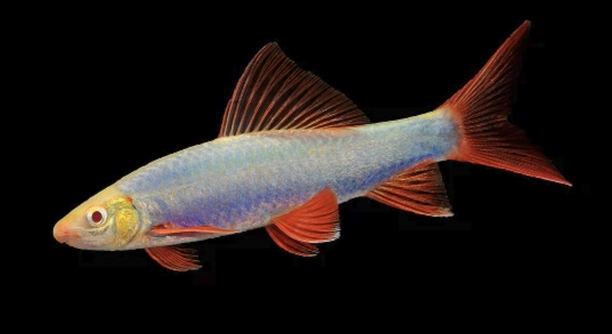
Raising Rainbow Shark fry can be rewarding yet challenging for aquarium enthusiasts. These small fish require specific care to thrive and develop properly in a home tank environment. Many hobbyists seek guidance to ensure their fry grow healthy and strong.
Proper care for Rainbow Shark fry involves maintaining clean water, providing suitable food, and offering adequate space and hiding places. Consistent monitoring of water parameters and minimizing stress are essential for their survival and growth.
Learning these basic tips will help you create a healthy environment for your fry and improve their chances of reaching adulthood successfully.
Setting Up the Ideal Tank Environment
Creating the right tank environment is crucial for raising Rainbow Shark fry successfully. The tank should be spacious enough, with at least 20 gallons to provide ample swimming space. Clean, well-filtered water is essential because fry are very sensitive to poor water quality. Maintaining a stable temperature between 75 and 80 degrees Fahrenheit helps support their growth. It’s important to use a gentle filter to avoid sucking up the tiny fry. Adding hiding spots such as plants, rocks, or caves gives the fry places to feel secure and reduce stress. Regular water changes, about 25% weekly, keep the environment healthy. Avoid overcrowding the tank, as it can lead to poor water conditions and stress among the fry. Keeping the tank well-lit during the day and dimmer at night mimics their natural conditions, which helps regulate their behavior and feeding.
Providing a clean, stable, and secure habitat greatly increases the chances of your Rainbow Shark fry growing strong and healthy.
Consistent care in maintaining the tank’s environment lays the foundation for their survival and development. This includes monitoring water parameters like pH and ammonia, ensuring they stay within safe levels.
Feeding Your Rainbow Shark Fry
Young Rainbow Sharks need a nutritious diet to grow properly. Start with high-quality fry food designed for small fish, such as finely crushed flakes or powdered food. You can also supplement their diet with live or frozen foods like baby brine shrimp or daphnia, which provide essential proteins. Feed small amounts multiple times a day to avoid overfeeding and keep the water clean. Remove any uneaten food promptly to prevent water pollution. Gradually introduce more varied foods as they grow, including sinking pellets suitable for bottom feeders. Proper nutrition supports their immune system and promotes healthy development. Avoid sudden changes in diet to prevent digestive issues. Keeping their feeding routine consistent helps reduce stress and encourages regular eating habits.
A well-planned feeding schedule is key to nurturing healthy Rainbow Shark fry and helping them thrive in their tank.
Paying attention to their dietary needs ensures they get the energy and nutrients required during this critical stage of life.
Monitoring Water Quality
Regular testing of water quality is essential for Rainbow Shark fry survival. Parameters like ammonia, nitrite, and nitrate must stay at safe levels. Use a reliable test kit to check these at least twice a week.
Maintaining water stability prevents stress and illness in fry. Ammonia and nitrite should always be at zero, while nitrate should remain under 20 ppm. Frequent water changes help keep these levels in check. Avoid sudden shifts in temperature or pH, as fry are very sensitive to changes. Keeping the tank clean and well-filtered supports healthy water conditions. Consistency in water quality is key to their growth and well-being.
Keeping water quality stable also means controlling other factors, like avoiding overcrowding. More fish produce more waste, which can quickly degrade the environment. Ensure the filtration system is gentle enough not to harm the fry but effective enough to handle waste. Regular observation of the fish’s behavior can also signal if water conditions need attention.
Preventing Common Health Issues
Disease prevention starts with clean water and good nutrition. Poor conditions increase the risk of infections and parasites in Rainbow Shark fry.
It’s important to quarantine new fish or plants before adding them to the tank to avoid introducing illness. Watch for signs of illness such as lethargy, loss of appetite, or spots on the body. Prompt treatment can save many fry from serious health problems. Using medications designed for fry can be helpful but follow instructions carefully to avoid harming young fish. Maintaining a low-stress environment also reduces the risk of disease, as stressed fish are more vulnerable. Regular tank maintenance, combined with good feeding and water quality, forms the best defense against common health issues in Rainbow Shark fry.
Providing Proper Lighting
Consistent lighting helps regulate Rainbow Shark fry’s daily rhythm. Too much light can stress them, while too little affects their activity and feeding. Aim for about 10 to 12 hours of moderate light each day to mimic natural conditions.
Using a timer makes it easier to maintain a stable light schedule. This consistency supports healthy behavior and growth in the fry, helping them adjust well to their environment.
Handling Fry with Care
Minimize handling to avoid stressing the fry. When necessary, use a soft net and be gentle. Rough handling can cause injury or shock, which may lead to health problems.
Always wash your hands before working in the tank to prevent introducing harmful substances. Being cautious helps keep fry safe and healthy during tank maintenance or transfers.
Avoiding Overcrowding
Crowded tanks increase stress and reduce oxygen levels. Keep fry numbers balanced with tank size for their well-being and growth.
Overcrowding can cause aggression and stunt growth. Providing enough space helps maintain a peaceful, healthy environment where fry can thrive.
FAQ
How often should I change the water for Rainbow Shark fry?
Water changes should be done regularly to maintain good quality. Changing about 20-25% of the tank water once a week is usually sufficient. If the tank is small or heavily stocked, more frequent changes might be necessary. Always use dechlorinated water at the same temperature as the tank to avoid shocking the fry.
What type of food is best for Rainbow Shark fry?
Start with finely crushed flakes or specially made fry food to ensure they can eat easily. Supplement their diet with live or frozen foods like baby brine shrimp and daphnia for extra protein. As they grow, introduce sinking pellets designed for bottom feeders to meet their nutritional needs.
Can Rainbow Shark fry live with other fish?
Fry are delicate and best kept in a separate tank or section from adult fish and aggressive species. Other small, peaceful fish can be tankmates if the tank is large enough and hiding spaces are available. Avoid overcrowding to reduce stress and competition for food.
How do I know if my Rainbow Shark fry are healthy?
Healthy fry are active, eat regularly, and have clear eyes and vibrant colors. Watch for signs of illness such as lethargy, discoloration, or spots on their bodies. If any of these symptoms appear, check water quality and consider treatment options quickly.
Is it normal for Rainbow Shark fry to hide a lot?
Yes, fry often hide to feel safe, especially during their first few weeks. Providing plenty of plants and caves helps them feel secure. As they grow more confident, they will swim more openly around the tank.
What water parameters are best for raising Rainbow Shark fry?
Maintain a temperature between 75-80°F (24-27°C), a pH level around 6.5-7.5, and keep ammonia and nitrite at zero. Nitrate should stay below 20 ppm. Regular testing helps keep these parameters stable and safe for fry.
How can I reduce stress for Rainbow Shark fry?
Keep the tank environment stable with consistent temperature, lighting, and water quality. Avoid loud noises or sudden movements near the tank. Gentle filtration and sufficient hiding spots also help fry feel secure and less stressed.
When can Rainbow Shark fry be introduced to a larger tank?
Fry can be moved once they are large enough to avoid being sucked into filters or eaten by other fish, usually after 2-3 months. Make sure the larger tank is well-prepared with stable water conditions and plenty of hiding places to ease their transition.
Are medications safe for Rainbow Shark fry?
Some medications are safe but must be used carefully and in the correct dosage. Always choose treatments labeled for use with fry and follow instructions closely. If unsure, consult an experienced aquarist or veterinarian before treating your fry.
How long does it take for Rainbow Shark fry to mature?
Rainbow Shark fry typically mature in about 6 to 8 months. Growth rates depend on water quality, diet, and tank conditions. Providing the right environment and nutrition supports faster, healthier development.
Raising Rainbow Shark fry can be a rewarding experience when the right care is given. These small fish need a clean, stable environment with proper water conditions to thrive. Paying close attention to water quality, temperature, and tank size creates a safe space for the fry to grow. Regular maintenance and careful monitoring can prevent many common problems that might arise. Consistency is key when it comes to their habitat, as sudden changes may stress the young fish and affect their health. Taking the time to set up the tank correctly will make a big difference in how well the fry develop.
Feeding Rainbow Shark fry properly is also very important. They require nutritious food that is easy to eat and digest. Starting with finely crushed flakes or specially made fry food ensures they get the nutrients needed in their early stages. Adding live or frozen foods, like baby brine shrimp, gives extra protein to support growth. It is best to feed them small amounts several times a day to avoid overfeeding and water pollution. As the fry grow, introducing sinking pellets designed for bottom feeders helps meet their changing dietary needs. A steady feeding routine helps maintain their energy and encourages healthy development.
Finally, observing the fry closely can help catch issues before they become serious. Watching for signs of illness or unusual behavior can alert you to water problems or health concerns. Providing hiding places and keeping stress low allows the fry to feel safe and grow with fewer risks. Avoiding overcrowding and handling the fry gently helps prevent injury and stress. With patience and proper care, raising Rainbow Shark fry can be successful and satisfying. Each step, from tank setup to feeding and monitoring, contributes to their well-being and long-term health.

Hello,
If you enjoy the content that we create, please consider saying a "Thank You!" by leaving a tip.
Every little bit helps us continue crafting quality advice that supports the health, happiness, and well-being of pets around the world, for pets of all shapes, sizes, and species.
We really appreciate the kindness and support that you show us!