
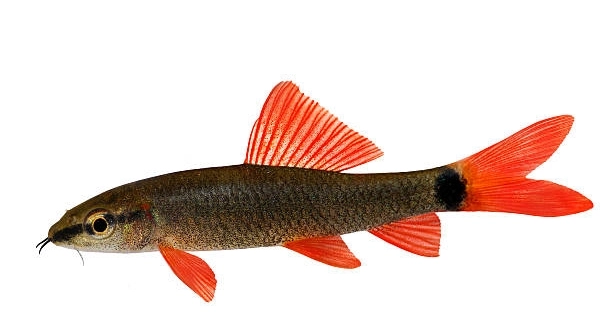
Rainbow sharks are popular freshwater fish known for their vibrant colors and active behavior. Keeping them happy requires understanding their needs and environment. Stress can affect their health, so it’s important to spot what might be causing it early on.
Several factors can stress a rainbow shark, including poor water quality, overcrowding, lack of hiding spots, improper diet, sudden changes in temperature, aggressive tank mates, and inadequate tank size. These stressors impact their well-being and overall behavior significantly.
Identifying and addressing these issues can improve your rainbow shark’s quality of life and keep your aquarium peaceful and healthy.
Poor Water Quality
Maintaining clean water is crucial for a rainbow shark’s health. These fish are sensitive to toxins like ammonia, nitrites, and nitrates, which can build up quickly in an unfiltered or rarely changed tank. Dirty water stresses the fish, weakening its immune system and making it prone to illness. Regular testing and water changes help keep the environment stable and safe. You should aim for consistent water parameters that suit your rainbow shark’s needs. Using a reliable filter and avoiding overfeeding can also prevent waste buildup. It’s easy to overlook water quality when caring for fish, but it directly affects their mood and activity. If your rainbow shark seems lethargic or hides often, checking water conditions is a good first step to improving its health.
Water quality affects fish behavior and health deeply. Poor conditions cause stress, illness, and even death.
Keeping your tank clean means regular water tests and changes, a good filter, and proper feeding habits. Monitoring these factors creates a healthy environment where your rainbow shark can thrive and show its true colors.
Overcrowding
Overcrowding in a tank causes stress by reducing swimming space and increasing competition for food and territory. Rainbow sharks need enough room to swim freely and establish their own space. A cramped environment can lead to aggressive behavior and constant hiding. Overcrowding also makes it difficult to maintain water quality, as more waste is produced. Ensuring your tank is large enough for the number of fish inside is key. For a single rainbow shark, a minimum of 30 gallons is recommended. Adding more fish means you’ll need a bigger tank to keep stress low and health high. Crowded tanks often have restless and unhealthy fish, which is a sign that adjustments are necessary.
Aggressive Tank Mates
Some fish species can intimidate or attack rainbow sharks, causing stress. Aggressive or territorial fish may chase or nip at the rainbow shark, disrupting its peace. This stress can weaken its immune system and reduce its appetite. Rainbow sharks prefer to share their tank with calm and non-aggressive species. Ideal tank mates are peaceful fish that occupy different water levels, so they do not compete directly for space. It’s important to research fish compatibility before introducing new tank mates. Watching how fish interact over time helps prevent problems. If your rainbow shark shows signs of stress, such as hiding or loss of color, reconsider the choice of companions to create a peaceful aquarium.
Lack of Hiding Spots
Rainbow sharks need places to hide and rest. Without enough cover, they feel exposed and stressed. Plants, caves, and decorations create safe spaces for them to retreat.
Providing hiding spots reduces stress by giving the fish control over their environment. It helps them feel secure and less vulnerable to threats or sudden movements around the tank. Natural or artificial plants, rocks, and tunnels work well. Avoid overcrowding the tank but include enough shelters so your rainbow shark can choose where to rest. Watching them use these spots shows they feel safer and more comfortable in their home.
Hiding spots also encourage natural behavior, such as resting quietly or observing the surroundings from a secure place. When your rainbow shark can relax like this, it improves its overall health and longevity. These areas help balance the tank environment, making it peaceful for all inhabitants.
Sudden Changes in Temperature
Rainbow sharks prefer stable water temperatures between 74°F and 80°F. Sudden drops or spikes can shock their system and cause stress. Consistency is key for their well-being.
Rapid temperature changes weaken their immune system, making them vulnerable to disease. Using a reliable heater and thermometer helps maintain steady conditions. Avoid placing the tank near windows, vents, or direct sunlight, which can cause fluctuations. Small daily variations may seem harmless but add up to significant stress over time. Keeping the temperature stable promotes normal activity and feeding habits, which are signs of a healthy rainbow shark.
When temperature swings are controlled, your fish will be calmer and less prone to illness. A steady environment also supports proper metabolism and growth. Taking simple steps to stabilize the water helps ensure your rainbow shark lives a long, comfortable life.
Improper Diet
Rainbow sharks need a balanced diet with plenty of protein and vegetables. Feeding only flakes or pellets can cause nutritional gaps. Variety keeps them healthy and active.
Overfeeding or underfeeding can also stress your fish. Stick to small, regular meals and remove uneaten food to maintain water quality.
Aggressive Behavior From Tank Mates
Aggressive tank mates can constantly chase or nip at your rainbow shark, causing ongoing stress. Even minor bullying reduces their appetite and energy. Peaceful companions help maintain calm and reduce conflicts in the tank.
Inadequate Tank Size
A tank that is too small limits swimming space and causes stress. Rainbow sharks require at least 30 gallons to move freely and stay healthy. Providing enough room supports natural behavior and reduces aggression.
Sudden Loud Noises
Loud noises near the aquarium startle fish and increase stress levels. Keeping the tank in a quiet area helps your rainbow shark feel secure and relaxed.
FAQ
How can I tell if my rainbow shark is stressed?
Signs of stress include hiding more than usual, loss of color, reduced appetite, erratic swimming, and gasping at the water surface. If your rainbow shark looks dull or inactive, it may be under stress. Observing these changes early helps you act quickly to improve conditions.
What is the best water temperature for rainbow sharks?
Rainbow sharks thrive in water temperatures between 74°F and 80°F (23°C to 27°C). Keeping the temperature steady within this range prevents stress caused by sudden fluctuations. Using a heater and thermometer is essential for maintaining a stable environment.
How often should I change the water?
Changing 20-30% of the water weekly is a good routine for rainbow sharks. Regular water changes remove toxins and waste, keeping water quality high. Avoid changing too much water at once to prevent sudden changes that can shock your fish.
What tank size do rainbow sharks need?
A minimum of 30 gallons is recommended for a single rainbow shark. Larger tanks are better if you plan to keep multiple fish. More space means less stress, better water quality, and healthier behavior.
Can rainbow sharks live with other fish?
Yes, but choose peaceful, non-aggressive species that won’t compete for territory. Avoid fin-nipping or aggressive fish to reduce stress. Good companions include tetras, barbs, and some catfish species. Always monitor interactions and be ready to separate fish if problems arise.
How much should I feed my rainbow shark?
Feed small amounts once or twice daily. Only give as much food as they can eat in a few minutes. Overfeeding can pollute the water and cause stress. A balanced diet with protein and vegetables is important for their health.
What are good hiding spots for rainbow sharks?
Use plants, rocks, caves, or tunnels to create hiding places. These shelters help the fish feel safe and reduce stress. Avoid overcrowding the tank but provide enough options so your rainbow shark can choose where to rest.
Why is my rainbow shark hiding all the time?
Hiding often may indicate stress from poor water quality, aggressive tank mates, or lack of hiding spots. It can also be normal resting behavior if your tank environment is stable. Check water parameters and tank setup to identify issues.
How can I reduce aggression in my tank?
Ensure the tank is large enough and has plenty of hiding places. Choose compatible fish and avoid overcrowding. Keeping water quality high and feeding properly also lowers aggression. Separate aggressive fish if necessary to protect your rainbow shark.
What causes sudden color fading in rainbow sharks?
Stress from poor water quality, illness, or aggressive tank mates can cause color to fade. Also, low temperatures or improper diet affect their vibrant colors. Regular maintenance and proper care help maintain their bright appearance.
Is it okay to keep more than one rainbow shark in the same tank?
Rainbow sharks are territorial and may fight if kept together in small spaces. If you want more than one, a very large tank with plenty of hiding spots is necessary. Otherwise, they should be kept singly or with peaceful fish.
How do I prevent disease in my rainbow shark?
Maintain good water quality, feed a balanced diet, and avoid overcrowding. Quarantine new fish before adding them to your tank. Regular observation helps catch signs of illness early for prompt treatment.
What should I do if my rainbow shark is stressed?
Test and improve water quality, check for aggressive tank mates, add hiding spots, and maintain a stable temperature. Adjust feeding habits and tank size if needed. These steps help your fish recover and stay healthy.
Taking care of a rainbow shark means paying attention to its environment and habits. Stress can affect these fish in many ways, so knowing what causes stress helps keep them healthy. Factors like poor water quality, overcrowding, and sudden changes in temperature all play a role. Providing clean water, enough space, and a stable tank environment is very important. When a rainbow shark feels safe and comfortable, it shows in its behavior and appearance. Watching for signs of stress early makes it easier to fix problems before they get worse.
Creating a peaceful aquarium for your rainbow shark involves a few key steps. Make sure the tank is large enough and includes places for hiding and resting. Choose calm tank mates that won’t bother your fish. Keep the water clean by testing it regularly and doing water changes as needed. Feeding a balanced diet also supports their health. Small changes in how you care for your rainbow shark can reduce stress and improve its quality of life. When the fish is less stressed, it will be more active and colorful, which is a sign of well-being.
Overall, the goal is to provide a stable, comfortable home for your rainbow shark. Stress is a natural response to poor conditions, but it can be managed with proper care. By understanding common stressors and how to avoid them, you can help your fish thrive. Remember that consistency is key—steady water parameters, suitable companions, and a balanced diet create the best environment. Taking time to observe your rainbow shark regularly will help you notice any changes early. This way, you can take action to ensure your fish stays healthy and happy for years to come.

Hello,
If you enjoy the content that we create, please consider saying a "Thank You!" by leaving a tip.
Every little bit helps us continue crafting quality advice that supports the health, happiness, and well-being of pets around the world, for pets of all shapes, sizes, and species.
We really appreciate the kindness and support that you show us!