
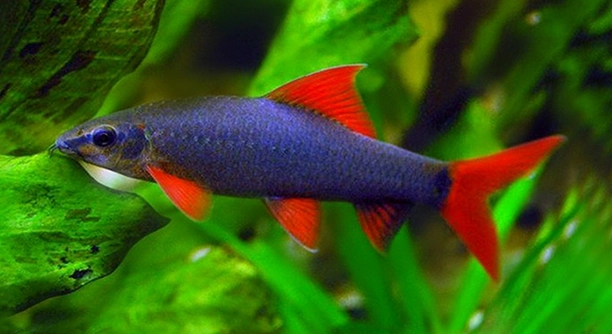
Rainbow sharks are popular freshwater fish known for their striking colors and peaceful nature. Many aquarium owners enjoy keeping them but sometimes struggle with providing the right nutrition. Proper feeding is key to maintaining their health and vibrant appearance.
Ensuring your rainbow shark receives a balanced diet involves offering varied, high-quality foods rich in protein and fiber. Consistent feeding schedules and monitoring their eating habits help prevent malnutrition and support optimal growth and activity.
Understanding the basics of their diet will help you create a healthy environment for your fish and improve their well-being over time.
Choosing the Right Food for Your Rainbow Shark
Rainbow sharks need a diet that matches their natural habits. In the wild, they eat algae, plants, and small insects. To keep them healthy in your aquarium, it is important to offer a variety of foods. High-quality pellets or flakes made for bottom feeders work well. Supplement their diet with fresh or frozen foods like bloodworms, brine shrimp, and vegetable matter. These options provide necessary protein and fiber to support their growth. Avoid feeding only one type of food because it can lead to nutritional gaps and health problems. Rotate their food regularly to keep them interested and well-nourished. Also, adding some vegetable-based foods like blanched spinach or zucchini can help mimic their natural diet and improve digestion. Consistency in food type and portion size is key to preventing overeating or malnutrition. This approach will keep your rainbow shark active and colorful.
Feeding a balanced diet reduces the risk of common health issues and promotes a longer life.
Keeping a mix of protein and plant foods helps maintain your rainbow shark’s overall health and appearance. Make sure to observe how they respond to each type of food and adjust as needed for best results.
Feeding Schedule and Portion Control
Setting a feeding schedule helps maintain your fish’s health. Feeding your rainbow shark once or twice a day is usually enough. Overfeeding can cause water quality problems and obesity. Measure small portions to avoid leftovers.
Consistent feeding times help your fish develop a routine, which reduces stress and encourages healthy eating habits. In addition to portion control, removing uneaten food after a few minutes prevents decay in the tank. This practice keeps the water clean and lowers the chance of disease. If you notice your fish begging for food outside feeding times, resist the urge to feed them more. Hunger cues can be misleading and cause overfeeding. Adjust the portions slightly if your fish consistently leaves food behind or appears very hungry. Proper feeding amounts ensure your rainbow shark gets the right nutrition without harming the aquarium environment. Maintaining clean water alongside a good feeding routine supports your fish’s vitality and longevity.
Providing Fresh and Clean Water
Fresh water is essential for your rainbow shark’s health. Poor water quality affects their digestion and appetite.
Maintaining clean water means regular tank maintenance. Change 20-30% of the water every week to keep nitrate levels low. Use a good water conditioner to remove harmful chemicals like chlorine. Check the tank’s temperature regularly; rainbow sharks prefer 72-79°F (22-26°C). Keeping the water stable reduces stress, which helps your fish digest food properly and absorb nutrients efficiently. Also, avoid overcrowding the tank, as this can quickly degrade water quality and lead to illness.
Filtration plays a big role in water quality. A strong filter helps remove waste and keeps the water clear. Make sure to clean or replace filter media as recommended to maintain proper function.
Monitoring Your Rainbow Shark’s Behavior
Changes in behavior often signal health or nutrition issues. Watch for signs like reduced activity, loss of color, or not eating.
If your rainbow shark hides more than usual or becomes lethargic, these could be stress responses or signs of illness. Sudden changes in appetite can also indicate problems with diet or water quality. Pay attention to any visible changes such as fin damage or bloating, which might point to infections or nutritional deficiencies. Early detection of these signs allows you to adjust care routines or seek advice promptly. Regular observation ensures your fish stays healthy and thrives in its environment.
Avoid Overfeeding Your Rainbow Shark
Overfeeding can lead to obesity and poor water quality, which harms your fish’s health. Stick to measured portions and remove uneaten food promptly to keep the tank clean and safe.
Feeding smaller amounts more frequently is better than large, infrequent meals. This helps prevent waste buildup and supports steady nutrition absorption.
Use Quality Commercial Foods
Choosing high-quality commercial foods ensures your rainbow shark gets essential nutrients. Look for products with balanced protein and fiber content made specifically for bottom feeders. Avoid low-grade flakes or pellets that lack necessary vitamins.
High-quality foods improve your fish’s energy, color, and growth. Consistent use of these foods supports overall health and helps prevent common nutritional deficiencies.
Introduce Natural Vegetables
Adding vegetables like zucchini or spinach provides important fiber and vitamins. Blanch vegetables before feeding to soften them, making it easier for your fish to digest.
Natural veggies support digestive health and mimic their natural diet, improving overall well-being.
FAQ
How often should I feed my rainbow shark?
Feeding your rainbow shark once or twice a day is usually enough. Small, measured portions prevent overfeeding and keep the tank clean. Too much food can lead to water quality issues and health problems for your fish.
What is the best type of food for rainbow sharks?
Rainbow sharks thrive on a balanced diet of high-quality pellets or flakes designed for bottom feeders. Supplement their meals with live or frozen foods like bloodworms and brine shrimp, and occasionally offer vegetables like blanched zucchini or spinach for fiber.
Can I feed my rainbow shark only pellets?
Feeding only pellets can lead to nutritional gaps. It’s important to vary their diet by adding live or frozen protein sources and vegetables. This variety helps maintain their health and vibrant colors.
How do I know if my rainbow shark is getting enough food?
Healthy rainbow sharks are active and have bright colors. If they finish their food quickly without leftover bits and show normal behavior, their diet is likely adequate. Watch for weight changes and activity levels as well.
What happens if I overfeed my rainbow shark?
Overfeeding can cause obesity, poor water quality, and increased risk of disease. Excess food decays in the tank, raising harmful toxin levels. This stresses your fish and can lead to serious health problems.
Should I feed my rainbow shark vegetables?
Yes. Rainbow sharks benefit from vegetables that provide fiber and essential nutrients. Blanch vegetables like zucchini or spinach before feeding to make them easier to digest and mimic their natural diet.
Is live food necessary for rainbow sharks?
Live food is not necessary but is a healthy supplement. It provides extra protein and encourages natural foraging behaviors. Frozen or freeze-dried options also work well if live food is not available.
How can I prevent picky eating in my rainbow shark?
Offering a varied diet from the start helps prevent picky eating. Keep feeding times consistent and rotate different foods to keep your fish interested. Avoid sudden diet changes to reduce stress.
What water conditions support good nutrition?
Stable water temperature (72-79°F or 22-26°C) and clean water are crucial. Regular water changes and proper filtration keep the environment healthy, allowing your fish to digest and absorb nutrients efficiently.
Can stress affect my rainbow shark’s appetite?
Yes. Stress from poor water conditions, overcrowding, or tank changes can reduce appetite and lead to nutritional deficiencies. Keeping a calm, stable environment helps maintain regular eating habits.
Taking good care of your rainbow shark’s nutrition is important for its health and happiness. Feeding a balanced diet that includes quality pellets, live or frozen protein, and some vegetables will help your fish grow strong and stay colorful. It’s easy to overlook the variety your fish needs, but mixing different foods keeps them interested and meets their nutritional requirements. Remember that overfeeding can be harmful, so always stick to small, measured portions and remove any uneaten food from the tank.
Maintaining clean and fresh water is just as important as the food you provide. Rainbow sharks need a stable environment with regular water changes and proper filtration. Good water quality supports their digestion and overall health, making it easier for them to absorb nutrients from their food. Watching your fish’s behavior closely can also give you clues about their well-being. If you notice changes like hiding, loss of appetite, or dull colors, it might be time to review their diet and water conditions.
In summary, caring for your rainbow shark’s nutrition involves a combination of the right food, proper feeding habits, and a clean tank environment. Paying attention to these details helps prevent common problems like obesity, stress, or illness. With consistent care and observation, your rainbow shark can thrive and be a beautiful addition to your aquarium for years to come. Taking these steps shows how much you care about your fish’s health and ensures they live a long, happy life.

Hello,
If you enjoy the content that we create, please consider saying a "Thank You!" by leaving a tip.
Every little bit helps us continue crafting quality advice that supports the health, happiness, and well-being of pets around the world, for pets of all shapes, sizes, and species.
We really appreciate the kindness and support that you show us!