
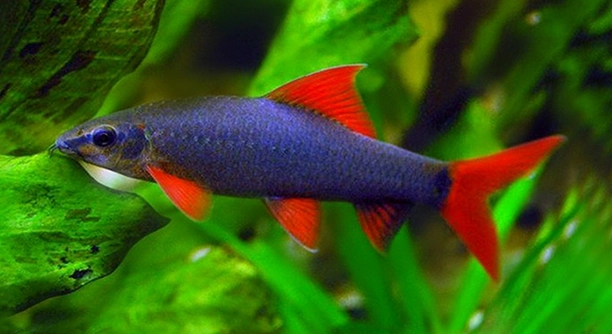
Rainbow sharks are popular aquarium fish known for their vibrant colors and active behavior. Creating a calm environment for them helps reduce stress and encourages natural behaviors. Many owners want to know how to make their tanks peaceful and comfortable for these fish.
A peaceful tank environment for rainbow sharks requires proper tank size, hiding spots, gentle water flow, stable water conditions, and compatible tank mates. Maintaining clean water and a balanced diet also supports their health and well-being.
Following these tips will help you create a calm and healthy home for your rainbow shark, ensuring it thrives and displays its best colors.
Choose the Right Tank Size
A spacious tank is essential for your rainbow shark’s comfort. These fish need room to swim freely and establish their territory. A minimum of 40 gallons is recommended for a single rainbow shark, but bigger tanks are always better. When the space is too small, the fish can become stressed and aggressive, which affects their health. The tank should have plenty of horizontal swimming area since rainbow sharks are bottom dwellers. Keeping a larger tank also helps maintain stable water conditions, which reduces sudden changes that might upset your fish. Investing in a properly sized tank from the start prevents many common problems and makes it easier to create a peaceful environment.
Larger tanks offer better stability and reduce territorial conflicts among fish, creating a calmer atmosphere for your rainbow shark.
Providing enough space supports your rainbow shark’s natural behavior and allows them to thrive. In addition to size, arrange decorations and plants to offer hiding places and break the line of sight, reducing aggression. A tank with open swimming areas and cozy corners helps balance activity and rest. Make sure to avoid overcrowding by limiting the number of fish and choosing compatible species to avoid stress. Proper tank size combined with thoughtful layout creates a welcoming home for your rainbow shark.
Maintain Stable Water Conditions
Water quality greatly impacts your rainbow shark’s health. It’s important to keep water parameters steady and within suitable ranges. Sudden changes in temperature, pH, or ammonia levels can cause stress and illness. Using a good filter and performing regular water changes keeps the tank clean. Testing water weekly helps catch problems early. Aim for a temperature between 72 and 79°F and a pH of 6.5 to 7.5. Avoid overcrowding the tank to prevent waste buildup. Stability in the tank’s environment promotes calm behavior and prevents common diseases.
Regular monitoring and maintenance are key to keeping water conditions stable and your fish healthy.
A calm tank starts with clean, balanced water. Rainbow sharks are sensitive to fluctuations, so consistency matters more than perfection. Filters remove harmful substances, but water changes are necessary to refresh minerals and remove toxins. Keep gravel vacuumed and avoid overfeeding to reduce waste. Using a reliable test kit helps you track ammonia, nitrites, nitrates, pH, and temperature. When you catch issues early, you can adjust before your fish feel the effects. Also, maintaining a gentle water flow prevents stress and mimics their natural environment. Creating a balanced ecosystem takes effort but greatly improves your rainbow shark’s well-being and behavior.
Provide Plenty of Hiding Spots
Rainbow sharks need places to hide and feel secure. Adding rocks, plants, and decorations helps them find shelter when they want to rest or escape from other fish. Without hiding spots, they can become stressed or aggressive.
Hiding spots reduce stress by giving rainbow sharks a sense of safety. Use smooth rocks and sturdy plants to create caves and shaded areas. Plastic plants work, but live plants improve water quality and look natural. Arrange decorations so the tank has both open spaces for swimming and plenty of places to retreat. This balance helps rainbow sharks feel less threatened and more relaxed. Pay attention to sharp edges on decorations that might harm the fish. A well-structured tank supports peaceful behavior and enhances your rainbow shark’s comfort.
It’s important to place hiding spots evenly around the tank. This prevents one fish from dominating all safe areas and reduces fighting. Rotating or rearranging decorations sometimes can keep the environment interesting and less stressful for your fish. Remember, a peaceful tank is one where every fish can find a place to feel secure.
Choose Compatible Tank Mates
Not all fish get along well with rainbow sharks. Choose peaceful species that live in different tank areas to avoid conflict. Avoid aggressive or slow-moving fish that rainbow sharks might bully or stress.
Compatible tank mates create a balanced and calm tank environment. Good companions include peaceful mid-level swimmers like tetras or barbs, and bottom dwellers such as corydoras catfish. Avoid fish that are very small or slow because rainbow sharks can be territorial and chase them. Keep tank population low to reduce competition for space and resources. Introducing tank mates gradually allows fish to adjust and helps maintain harmony. A well-planned community tank lowers stress and encourages natural behavior. Selecting the right fish companions ensures your rainbow shark stays calm and healthy.
Control Water Flow
Rainbow sharks prefer gentle water movement that mimics their natural river habitats. Strong currents can stress them and make swimming difficult.
Using adjustable filters or adding flow deflectors helps create a calm current. Avoid placing filter outlets directly toward their resting spots.
Keep the Tank Clean
Regular cleaning prevents harmful buildup of waste and toxins. Consistent water changes and substrate vacuuming maintain water quality.
Clean tanks reduce stress and keep rainbow sharks healthy. A dirty tank can lead to diseases and aggressive behavior. Schedule weekly maintenance to keep the environment stable.
Feed a Balanced Diet
Rainbow sharks need a varied diet including flakes, pellets, and occasional live or frozen foods. Balanced nutrition supports their vibrant colors and energy.
A well-fed rainbow shark is less likely to become aggressive or stressed. Avoid overfeeding to prevent water pollution and health issues.
Monitor Behavior
Watch for signs of stress or illness like hiding, loss of color, or erratic swimming. Early detection helps prevent bigger problems.
FAQ
How often should I change the water in my rainbow shark tank?
Regular water changes are crucial for keeping your rainbow shark healthy. Ideally, change 20-25% of the water every week. This helps remove toxins like ammonia and nitrates that build up over time. If your tank is heavily stocked or the filter isn’t very strong, consider changing water more often. Using a siphon to clean the gravel during water changes also helps remove uneaten food and waste that can pollute the tank. Consistency is key — sudden large water changes can stress your fish, so keep the routine steady and gradual.
What is the best temperature for rainbow sharks?
Rainbow sharks thrive between 72°F and 79°F (22°C to 26°C). Maintaining a stable temperature within this range is important for their metabolism and immune system. Use an aquarium heater with a reliable thermostat to keep the water steady. Avoid placing the tank near drafts, direct sunlight, or heaters that might cause temperature swings. Sudden changes can stress your fish and cause health problems. A digital thermometer helps you monitor the tank accurately.
Can rainbow sharks live with other fish?
Yes, but you must choose tank mates carefully. Rainbow sharks can be territorial, especially in smaller tanks. Peaceful mid-level swimmers like tetras, barbs, and danios usually get along well. Bottom dwellers like corydoras catfish can coexist too. Avoid slow-moving or long-finned fish, as rainbow sharks might nip their fins or bully them. Also, avoid keeping more than one rainbow shark in a small tank, as they tend to fight over territory. A large tank with plenty of hiding spots helps reduce aggression.
How big should my tank be for a rainbow shark?
A minimum of 40 gallons is recommended for one rainbow shark. These fish grow up to 6 inches and need plenty of swimming space. Larger tanks are better for maintaining stable water quality and reducing stress. If you want to keep multiple fish, increase tank size accordingly. A spacious environment supports their natural behavior and reduces territorial disputes.
What do rainbow sharks eat?
Rainbow sharks are omnivores. They eat flakes, pellets, and frozen or live foods like bloodworms, brine shrimp, and daphnia. Feeding a varied diet ensures they get all necessary nutrients and keeps them healthy. Offer food once or twice daily, giving only what they can eat in a few minutes. Overfeeding leads to poor water quality and health problems. Supplement their diet with vegetable matter like blanched spinach or peas.
Why is my rainbow shark hiding a lot?
Hiding is normal, especially during the day or after changes in the tank. However, excessive hiding may indicate stress or illness. Check water parameters and tank conditions first. Poor water quality, aggressive tank mates, or lack of hiding spots can cause this behavior. Make sure the tank offers plenty of shelters and a stable environment. If hiding continues alongside loss of appetite or discoloration, consider consulting a vet or aquarium expert.
How do I reduce aggression in rainbow sharks?
Aggression often results from stress or lack of space. Providing a large tank, plenty of hiding spots, and compatible tank mates helps. Avoid overcrowding and aggressive fish that provoke your rainbow shark. Maintain good water quality and stable conditions, as stress can worsen aggression. Sometimes rearranging decorations to break sight lines reduces territorial disputes. Feeding a balanced diet also keeps them calm and healthy.
Can rainbow sharks live alone?
Yes, they can live alone and often do well as the only fish in their tank. Living alone eliminates territorial conflicts and stress from other fish. However, make sure their tank is large enough and stimulating with decorations and plants. Some owners prefer community tanks, but solitary setups can be simpler to manage. Always monitor your fish’s behavior to ensure it is active and healthy.
How often should I clean the tank?
Cleaning the tank weekly is ideal. This includes partial water changes, gravel vacuuming, and filter maintenance. Avoid cleaning everything at once to preserve beneficial bacteria essential for breaking down waste. Use gentle cleaning tools to avoid disturbing the environment too much. A clean tank promotes good water quality, reducing disease risk and stress for your rainbow shark.
What signs show my rainbow shark is sick?
Look for changes in behavior such as lethargy, loss of appetite, erratic swimming, or hiding excessively. Physical signs include faded colors, torn fins, white spots, or swollen areas. Poor water quality is often the cause, so test your tank regularly. If symptoms appear, check water parameters immediately and treat the tank if needed. Quarantining sick fish can prevent spreading illness to others. Early action improves chances of recovery.
Creating a peaceful environment for your rainbow shark takes careful planning and regular care. By providing the right tank size, stable water conditions, and plenty of hiding spots, you give your fish the best chance to thrive. Rainbow sharks can be sensitive to changes in their surroundings, so keeping their home calm and comfortable is key to reducing stress. This helps them stay healthy and show their beautiful colors. Taking the time to learn about their needs and making adjustments when necessary will pay off in a happier fish and a more enjoyable aquarium.
Maintaining good water quality is one of the most important parts of caring for your rainbow shark. Regular water changes and proper filtration keep the tank clean and safe. It’s also important to monitor water temperature and chemistry to avoid sudden changes that might upset your fish. Feeding a balanced diet and choosing peaceful tank mates contribute to a stable environment. When your rainbow shark feels secure and well cared for, you will likely see more natural behavior and less aggression. These efforts also help prevent common health problems that arise from poor conditions.
Lastly, paying close attention to your rainbow shark’s behavior is a helpful way to understand how well your tank environment is working. Signs of stress or illness can show up early if you watch carefully, allowing you to take action quickly. Small changes in the tank setup or routine can make a big difference in creating a calm space. With patience and consistent care, your rainbow shark can live a long, healthy life in a peaceful tank that you enjoy just as much as they do.

Hello,
If you enjoy the content that we create, please consider saying a "Thank You!" by leaving a tip.
Every little bit helps us continue crafting quality advice that supports the health, happiness, and well-being of pets around the world, for pets of all shapes, sizes, and species.
We really appreciate the kindness and support that you show us!