
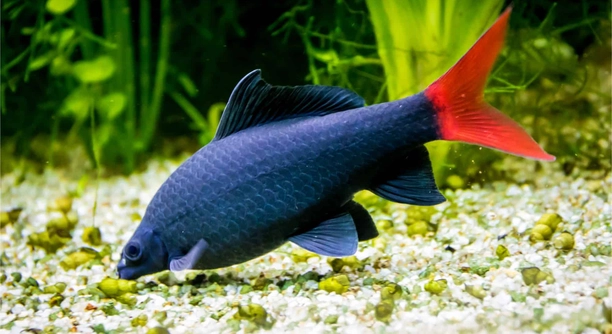
Are your rainbow sharks not looking as lively as before? Many fish owners may not realize their pet is not getting enough food. Recognizing early signs of underfeeding is important for their health and well-being.
Underfeeding rainbow sharks can lead to slow growth, dull colors, lethargy, and increased aggression. These symptoms indicate nutritional deficiencies that affect their immune system and overall vitality, requiring prompt adjustment in their diet to prevent serious health issues.
Knowing these signs helps maintain your fish’s health and happiness. Proper feeding habits are key to keeping your rainbow shark vibrant and active.
Changes in Behavior and Activity
When a rainbow shark is underfed, you may notice it becomes less active than usual. It might spend more time hiding or resting at the bottom of the tank instead of swimming around. This change happens because the fish doesn’t have enough energy from food. You may also see signs of irritability or unusual aggression toward other tank mates. These behavioral changes happen gradually, making it easy to miss at first. Watching your fish’s daily habits closely will help you catch these early warning signs. Behavior is a good indicator of overall health, and sudden shifts usually mean something is wrong with their diet or environment.
Reduced activity and unusual aggression are common signs that a rainbow shark isn’t getting enough food.
Taking note of these behavioral changes allows you to adjust feeding routines before the condition worsens. Consistent observation can prevent serious health issues linked to underfeeding.
Physical Signs of Underfeeding
One clear sign that your rainbow shark is underfed is weight loss. Its body may look thinner, and the fins might seem less vibrant or even damaged. Underfed fish often have duller colors because they lack essential nutrients. Their scales might appear rough or patchy, which is a sign of poor health. Over time, these physical signs become more visible as the fish’s condition worsens. If left untreated, underfeeding can weaken the fish’s immune system, making it vulnerable to diseases.
Rainbow sharks rely on a balanced diet for bright colors and good body condition. When underfed, their physical health deteriorates, affecting their appearance and vitality. It is important to monitor your fish’s weight and color regularly. Proper nutrition supports healthy growth and helps your fish stay energetic and beautiful. Adjusting feeding amounts and offering a varied diet with protein-rich flakes, pellets, and occasional live food can improve their condition. Avoid overfeeding, but make sure your rainbow shark receives enough food daily to thrive. Watching these physical signs closely ensures timely care and a happier, healthier fish.
Reduced Appetite and Feeding Habits
A rainbow shark that is underfed often shows less interest in food. It might ignore feeding times or eat only small amounts. This change in appetite signals that the fish is not getting enough nutrients to feel satisfied.
This reduced appetite can be caused by stress or illness related to poor nutrition. Sometimes, the fish may compete with tank mates and lose access to food, making the problem worse. Feeding smaller amounts more frequently can help stimulate their interest in eating. Also, offering varied foods like sinking pellets or live treats may encourage better feeding habits.
Monitoring how much your rainbow shark eats and noticing any changes in appetite is important. If the fish avoids food regularly, it is a sign that you should adjust its diet or check for other health problems affecting eating behavior.
Weight Loss and Physical Weakness
Weight loss in a rainbow shark is a clear sign of underfeeding. The fish may appear thin and fragile, with less muscle tone and weaker fins. This physical weakness affects how well the fish swims and interacts in the tank.
Prolonged lack of food leads to a decline in energy reserves, which reduces the fish’s ability to resist infections. You may notice the fish becomes more sluggish or has difficulty keeping up with others during feeding. This weakening also causes slower healing if injuries occur. Providing enough high-quality food supports muscle growth and overall strength, which is essential for the fish’s survival.
Making sure your rainbow shark gets a balanced diet helps prevent this dangerous weight loss. Feeding on a regular schedule with proper portions keeps the fish strong and less prone to illness. Adjusting feeding habits when weight loss appears can restore health and vitality.
Dull or Faded Colors
A rainbow shark that is underfed often loses its bright colors. Its usual vibrant hues become dull and faded. This happens because the fish is not getting enough nutrients to maintain its healthy appearance.
Poor diet affects pigment production, which causes the colors to fade. If you notice your fish looking washed out, it’s a sign to improve its feeding. Adding foods rich in vitamins and carotenoids can help restore the natural color.
Slow Growth
Underfed rainbow sharks grow more slowly than healthy ones. Their bodies do not develop as expected, and fins may remain small or weak. Proper feeding is essential to support normal growth and development in these fish.
Weakened Immune System
When a rainbow shark is underfed, its immune system becomes weaker. This makes it more vulnerable to diseases and infections that can quickly harm the fish. Feeding a balanced diet helps keep its defenses strong.
Increased Hiding
Underfed rainbow sharks tend to hide more often than usual. Lack of energy and strength makes them avoid swimming freely, which can be a sign that something is wrong with their diet.
FAQ
How often should I feed my rainbow shark?
Feeding your rainbow shark once or twice a day is usually enough. Give small portions that the fish can finish in a few minutes. Overfeeding can cause water problems, but underfeeding leads to poor health. Consistency is important to keep your fish healthy.
What type of food is best for a rainbow shark?
Rainbow sharks need a balanced diet with high-quality flakes, pellets, and occasional live or frozen foods like bloodworms or brine shrimp. Protein-rich foods support growth and vibrant colors. Adding some vegetable matter like blanched spinach can also help.
Can my rainbow shark survive on flakes alone?
Flakes can be part of their diet, but relying on flakes only may not provide all nutrients needed. It’s better to include pellets and live or frozen foods to ensure a balanced diet. Variety improves health and appearance.
How do I know if my rainbow shark is underfed?
Look for signs like dull colors, weight loss, reduced activity, and hiding more often. Also, notice if it skips food or eats less than usual. These signs suggest your fish needs more or better-quality food.
What happens if my rainbow shark is underfed for a long time?
Long-term underfeeding weakens the immune system, slows growth, and causes permanent damage to organs. The fish becomes more vulnerable to disease and may die if the diet isn’t corrected soon.
Is it okay to feed my rainbow shark vegetables?
Yes, rainbow sharks enjoy vegetables like spinach, zucchini, and peas. Vegetables provide important vitamins and fiber. Offer them occasionally, either fresh or blanched, as part of a varied diet.
How can I encourage a picky rainbow shark to eat?
Try offering live or frozen foods to stimulate interest. Feed smaller portions more frequently and reduce competition by separating aggressive tank mates during feeding times. Changing food types or presentation can also help.
Can underfeeding cause aggression in rainbow sharks?
Yes, hunger can make rainbow sharks more aggressive toward other fish. Underfed fish compete harder for food, which increases stress and aggression. Ensuring enough food helps reduce this behavior.
Should I feed my rainbow shark differently if I have other fish?
Yes, make sure all fish get enough food. Rainbow sharks can be shy and may miss meals if more aggressive fish eat first. Feeding in different areas or using feeding rings can help distribute food evenly.
How much food is too much for a rainbow shark?
Feed only what your rainbow shark can eat in about 2-3 minutes. Overfeeding leads to poor water quality and health problems. Remove uneaten food after feeding to keep the tank clean.
Can stress affect my rainbow shark’s appetite?
Yes, stress from tank conditions or tank mates can reduce appetite. Make sure your tank is properly set up with hiding places and compatible fish to lower stress and improve feeding habits.
Is fasting helpful for rainbow sharks?
Occasional fasting, such as one day per week, can help digestion and prevent overfeeding. However, it should not be used as a regular method if your fish is underfed or showing signs of weight loss.
What are the best feeding times for rainbow sharks?
Feed in the morning and evening when your fish are naturally more active. Regular feeding times create a routine that helps maintain healthy appetite and digestion.
How can I improve my rainbow shark’s diet at home?
Add variety by mixing pellets, flakes, frozen, and live foods. Include some vegetable matter. Avoid feeding just one type of food. Monitor how your fish responds and adjust portions accordingly.
Can an underfed rainbow shark recover fully?
Yes, with proper feeding and tank care, rainbow sharks can regain weight, color, and activity. Recovery may take weeks, but patience and good nutrition will help your fish return to health.
Underfeeding a rainbow shark can have serious effects on its health and well-being. When these fish do not get enough food, they can show signs like dull colors, weight loss, and less activity. It is important to watch your fish closely and recognize these signs early. Feeding the right amount and type of food helps keep your rainbow shark healthy, energetic, and beautiful. Taking care of your fish’s diet is one of the simplest ways to improve its life in the tank.
Making sure your rainbow shark gets a balanced diet means offering a variety of foods. Flakes and pellets are good staples, but adding live or frozen foods like bloodworms or brine shrimp helps meet their nutritional needs. Including some vegetables like spinach or zucchini provides extra vitamins. Feeding small portions once or twice a day prevents overfeeding, which can harm water quality, but also avoids underfeeding, which weakens your fish. Keeping a regular feeding schedule helps your fish stay active and healthy.
If you notice your rainbow shark showing signs of being underfed, it is important to act quickly. Adjust the amount and type of food, and observe if your fish improves. Sometimes stress or tank conditions affect appetite, so make sure the environment is comfortable and safe. With proper care and feeding, your rainbow shark can recover well. Paying attention to feeding habits and physical health ensures your fish will live a longer, happier life in your aquarium.

Hello,
If you enjoy the content that we create, please consider saying a "Thank You!" by leaving a tip.
Every little bit helps us continue crafting quality advice that supports the health, happiness, and well-being of pets around the world, for pets of all shapes, sizes, and species.
We really appreciate the kindness and support that you show us!