
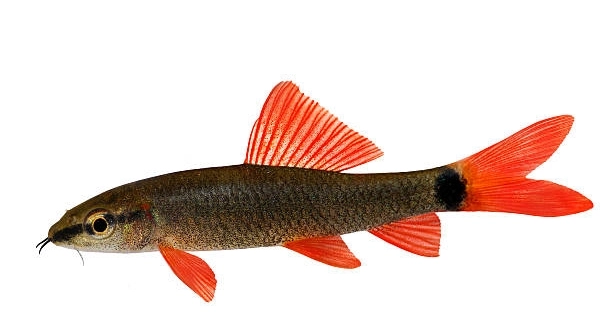
Bringing a rainbow shark home can be exciting but also a bit challenging. These fish need the right environment to feel comfortable and thrive. Proper care helps them adjust smoothly to their new surroundings.
Helping your rainbow shark settle requires attention to tank conditions, diet, and stress reduction. Maintaining clean water, appropriate hiding spots, and a consistent feeding schedule are essential for their health and comfort during adjustment.
Learning simple steps can improve your fish’s well-being and make your aquarium a peaceful place. This guide offers practical advice to support your rainbow shark’s transition.
Prepare the Tank Before Introducing Your Rainbow Shark
Setting up the tank properly before bringing in your rainbow shark is key to its comfort. Make sure the tank is large enough, ideally at least 30 gallons, since these fish like to swim freely. The water should be clean and filtered well, with a stable temperature around 75 to 79°F (24 to 26°C). Adding hiding spots such as caves or plants can help your rainbow shark feel secure. Also, ensure the water parameters like pH and hardness are suitable, around 6.5 to 7.5 pH and moderate hardness. Cycling the tank beforehand is important to avoid harmful ammonia and nitrite spikes. When the tank is ready, your rainbow shark will have a better chance to adjust quickly and avoid stress.
Preparing the tank in advance prevents shock and promotes a calm environment. It also helps avoid common health problems linked to poor water conditions.
A well-prepared tank sets the foundation for your rainbow shark’s health. It reduces stress and supports natural behavior. By focusing on water quality, temperature, and hiding spaces, you help your fish feel safe from the start. This careful preparation means less risk of illness and makes it easier to spot any issues early. It also encourages your rainbow shark to explore and settle in without fear. Consistency in these conditions will keep your fish happy and active, making your aquarium a vibrant space.
Introduce Your Rainbow Shark Slowly
Moving your rainbow shark into its new home should be done gradually to reduce stress. Avoid placing the fish directly into the tank water. Instead, float the sealed bag in the aquarium for 15-20 minutes to match the water temperature. Then, slowly add small amounts of tank water into the bag over 30 minutes to help the fish adjust to the new water chemistry.
This slow introduction helps prevent shock and makes your rainbow shark more comfortable. It is a simple step that supports a smooth transition.
Taking your time during introduction shows respect for your fish’s needs and improves survival rates. Once acclimated, your rainbow shark will be ready to explore and thrive.
Maintain Consistent Water Quality
Keeping the water clean is essential for your rainbow shark’s health. Regular testing and partial water changes help maintain safe levels of ammonia, nitrites, and nitrates.
Frequent water changes prevent toxins from building up, which can stress or harm your fish. Use a water conditioner to remove chlorine and chloramine from tap water. Test the water weekly to ensure pH and temperature stay within the ideal range. Stable water conditions allow your rainbow shark to feel secure and reduce the risk of disease.
Investing time in water maintenance means fewer health problems for your fish. Clean, balanced water supports natural behavior and improves overall well-being. Neglecting this can lead to infections or sudden health declines. By making water quality a priority, you create a safe and healthy environment where your rainbow shark can settle and grow.
Provide Proper Diet and Feeding Schedule
Rainbow sharks need a varied diet to stay healthy. Feed them high-quality pellets or flakes designed for omnivores, supplemented with vegetables and occasional protein treats like bloodworms.
Offer food once or twice daily, giving only what they can consume in a few minutes to prevent leftovers. Overfeeding can pollute the water and cause health issues. Observing their eating habits helps adjust portions and ensures they receive enough nutrition without waste.
A balanced diet supports growth, color vibrancy, and energy. Consistency in feeding times helps your fish feel secure and builds a routine. Avoid sudden diet changes, which can upset their digestive system. Providing proper nutrition is a key part of helping your rainbow shark thrive in its new home.
Provide Hiding Spots and Decorations
Rainbow sharks need places to hide and feel safe. Adding caves, plants, and decorations creates shelter and reduces stress.
These hiding spots also help reduce aggression from other tank mates by giving your fish its own territory.
Monitor Behavior and Health Regularly
Watch your rainbow shark daily for signs of stress or illness like lethargy, loss of appetite, or unusual swimming. Early detection helps prevent serious health problems.
Regular observation allows quick action if something seems wrong. Maintaining a healthy environment goes hand-in-hand with monitoring behavior to ensure your fish thrives.
Avoid Overcrowding the Tank
Too many fish in one tank create stress and competition for space. Keep the number of fish balanced with tank size to promote harmony and reduce aggressive behavior.
FAQ
How long does it take for a rainbow shark to settle into a new tank?
Rainbow sharks usually take about one to two weeks to adjust to a new environment. During this time, they may hide more and eat less. Patience is key—consistent care and stable conditions help them feel secure faster.
What water conditions are best for rainbow sharks?
Rainbow sharks thrive in water temperatures between 75°F and 79°F (24°C to 26°C). The pH should be neutral to slightly acidic, around 6.5 to 7.5. Hardness should be moderate. Keeping these stable is important for their health.
Can rainbow sharks live with other fish?
Rainbow sharks can live with other peaceful fish but need enough space. Avoid keeping them with very small or slow-moving fish, as rainbow sharks may show territorial behavior. Providing hiding spots helps reduce conflicts.
What should I feed my rainbow shark?
A varied diet works best, including sinking pellets or flakes designed for omnivores, supplemented with vegetables like zucchini or spinach, and occasional protein treats such as bloodworms or brine shrimp. Avoid overfeeding to keep water quality good.
How often should I change the water?
Perform partial water changes of about 20-30% every one to two weeks. Regular water changes keep toxin levels low and maintain healthy conditions for your rainbow shark. Use a water conditioner to remove harmful chemicals from tap water.
Why is my rainbow shark hiding all the time?
Hiding is normal when a rainbow shark is new or stressed. It can mean the fish feels unsafe or the tank conditions are not ideal. Check water parameters and provide plenty of hiding spots. If hiding continues, it may indicate illness.
Is a 30-gallon tank enough for a rainbow shark?
Yes, a 30-gallon tank is the minimum recommended size for one rainbow shark. They are active swimmers and need space to move freely. Larger tanks are better if you plan to keep multiple fish.
Can rainbow sharks jump out of the tank?
Yes, rainbow sharks can jump, especially if stressed or uncomfortable. A secure tank lid is important to prevent escapes and protect your fish.
How can I tell if my rainbow shark is healthy?
A healthy rainbow shark is active, has vibrant colors, and eats regularly. Watch for clear eyes, intact fins, and smooth scales. Any changes in behavior or appearance may require attention.
What causes rainbow shark aggression?
Aggression often comes from territorial behavior, overcrowding, or lack of hiding places. Maintaining a proper tank size, adding decorations, and choosing compatible tank mates helps reduce aggression.
Do rainbow sharks need a specific light cycle?
Rainbow sharks do well with a regular day and night light cycle, around 10-12 hours of light daily. Consistent lighting helps regulate their natural rhythms and reduces stress.
Can I keep a rainbow shark alone?
Yes, rainbow sharks can live alone, but they do enjoy having space to explore. A well-maintained tank with hiding spots and enough room will keep them healthy and active.
What should I do if my rainbow shark stops eating?
Loss of appetite can be a sign of stress or illness. Check water quality, tank mates, and diet. Try offering varied foods and ensure the environment is calm. If the problem continues, consider consulting a vet or fish expert.
How fast do rainbow sharks grow?
Rainbow sharks grow quickly during their first year, reaching about 6 inches in length. Providing proper nutrition and a spacious tank supports healthy growth.
Are rainbow sharks nocturnal?
Rainbow sharks are mostly active during the day but may hide during bright light periods. Providing shaded areas and plants helps them feel safe at all times.
Taking care of a rainbow shark and helping it settle into its new home requires attention to many details. From preparing the tank to maintaining water quality, each step plays an important role in the health and comfort of your fish. It is important to create a stable and safe environment, with proper temperature, clean water, and enough space for swimming. Giving your rainbow shark places to hide will reduce stress and make it feel secure. A peaceful tank where it can explore and rest will help it adjust faster.
Feeding your rainbow shark the right food in the right amounts also supports its well-being. A balanced diet that includes pellets, vegetables, and occasional protein treats keeps your fish strong and colorful. Overfeeding should be avoided because leftover food can pollute the water and cause problems. Watching your fish’s behavior regularly helps you catch any signs of stress or illness early. Healthy fish are more active and eat well, so paying attention to their daily habits is useful. Remember, patience is key because it takes time for a rainbow shark to fully adapt to a new tank.
Overall, caring for a rainbow shark is rewarding when done thoughtfully. Consistency in tank maintenance, diet, and monitoring creates an environment where your fish can thrive. Small changes and care routines make a big difference in helping your rainbow shark feel at home. By following simple but important steps, you can enjoy watching your fish grow healthy and happy. This care will also protect your investment and keep your aquarium a lively, peaceful space. Taking the time to understand your rainbow shark’s needs will make your experience as an owner more satisfying and successful.

Hello,
If you enjoy the content that we create, please consider saying a "Thank You!" by leaving a tip.
Every little bit helps us continue crafting quality advice that supports the health, happiness, and well-being of pets around the world, for pets of all shapes, sizes, and species.
We really appreciate the kindness and support that you show us!