
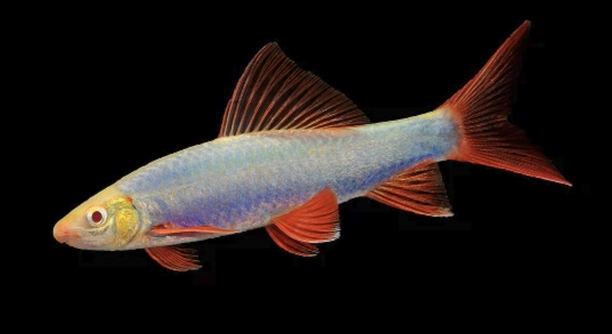
Rainbow sharks are popular aquarium fish that thrive best in environments that mimic their natural habitat. Creating a natural setting helps reduce stress and encourages healthy behavior. This article will explore simple ways to improve your rainbow shark’s tank environment.
To create a more natural environment for your rainbow shark, focus on providing ample swimming space, use soft substrates like sand, include hiding spots with plants or decorations, maintain stable water parameters, and simulate natural lighting cycles to replicate their native river habitats.
Improving your rainbow shark’s habitat can lead to a happier and healthier fish. The following tips will guide you in making thoughtful changes to your aquarium setup.
Provide Ample Swimming Space
Rainbow sharks are active swimmers that need enough room to move freely. A cramped tank can increase stress and cause aggressive behavior. Ideally, a minimum of 30 gallons is recommended for one rainbow shark. This space allows them to explore and establish territory. Adding more fish requires a larger tank to prevent overcrowding. Keep the water clean by performing regular maintenance and filtration to support their active lifestyle. Avoid placing large decorations that limit open swimming areas. Clear swimming paths improve their health and reduce signs of stress.
Maintaining at least 30 gallons per fish ensures a balanced and natural environment for your rainbow shark.
In addition to space, tank shape matters. Longer tanks provide more horizontal swimming area, which suits their natural behavior. This setup better replicates river environments, where they swim along currents. Incorporate open water zones between plants and rocks so your fish can swim without obstruction. Regular water changes and proper filtration keep water quality stable, which is essential for their well-being. Combining space and clean water supports their natural instincts and promotes longevity in captivity.
Use Natural Substrates and Decorations
Soft substrates like sand or fine gravel closely resemble the riverbeds rainbow sharks prefer. These materials are gentle on their barbels and encourage natural foraging behavior. Avoid sharp or coarse gravel that can injure them or cause discomfort. Natural decorations such as driftwood, rocks, and live plants offer hiding spots and mimic their habitat. These elements also provide surfaces for beneficial bacteria to grow, improving water quality. Arrange decorations thoughtfully to create caves or shaded areas that give your fish security.
Natural substrates and decorations enhance the tank’s comfort and visual appeal for the rainbow shark.
Live plants play a vital role in this setup. They help maintain oxygen levels and absorb nitrates, contributing to a healthy environment. Hardy plants like Java fern, Anubias, and Amazon swords work well. When combined with natural decorations, they form a complex habitat that supports both the fish and tank ecosystem. Driftwood adds tannins to the water, slightly lowering pH, which suits rainbow sharks. Take care when placing decorations so they don’t overcrowd the tank or trap debris. This balance helps keep the habitat close to what they experience in the wild.
Maintain Stable Water Parameters
Rainbow sharks require consistent water conditions to stay healthy. Sudden changes in temperature, pH, or hardness can stress them and lead to illness. Regular testing helps keep parameters stable and within ideal ranges.
Keep the water temperature between 74°F and 80°F, with a pH of 6.5 to 7.5. Use a reliable heater and thermometer to avoid fluctuations. Perform partial water changes weekly to remove waste and maintain water clarity. Avoid overfeeding, which can pollute the tank and affect water quality. Stable water conditions support the immune system and reduce aggressive behavior.
Regular monitoring and gradual adjustments prevent stress from sudden changes. If a problem arises, correct it slowly to give your fish time to adapt. Using proper filtration and avoiding overcrowding also help maintain water quality. Clean equipment regularly and test for ammonia, nitrites, and nitrates to ensure a safe habitat.
Simulate Natural Lighting Cycles
Rainbow sharks thrive with a consistent day-night cycle that mimics natural light patterns. Proper lighting encourages normal activity and helps maintain their internal rhythms.
Provide about 10 to 12 hours of light daily, followed by darkness to allow rest. Use a timer to ensure regularity and avoid sudden light changes. Natural light enhances plant growth and fish coloration, but avoid direct sunlight to prevent algae blooms. Dimming lights gradually in the evening helps mimic sunset, reducing stress.
Balanced lighting supports both the fish and plants, creating a healthy environment. Too much light can cause aggression or stress, while too little may reduce activity and color vibrancy. Adjust lighting based on tank setup and observe how your fish respond. Proper light cycles improve overall tank stability and fish well-being.
Include Hiding Spots
Rainbow sharks feel safer with places to hide when they want privacy or rest. Providing adequate hiding spots reduces stress and territorial disputes.
Use caves, rocks, and dense plant areas to create shelters. These spots give the fish security and help mimic their natural environment.
Avoid Overcrowding
Overcrowded tanks increase competition for space and resources, causing stress and aggression in rainbow sharks. Keeping the tank lightly stocked supports peaceful behavior.
Too many fish can quickly degrade water quality, which harms health. Limit the number of tank mates and choose compatible species.
Use Proper Filtration
A strong filtration system removes waste and toxins from the water, maintaining cleanliness essential for rainbow sharks. Choose a filter that fits your tank size and flow preferences.
Filtration helps keep the water clear and balanced, reducing the risk of disease. Clean or replace filter media regularly to maintain efficiency.
Monitor Fish Behavior
Observe your rainbow shark’s behavior daily to detect early signs of stress or illness. Changes in activity, appetite, or appearance may signal a problem.
Prompt attention to unusual behavior helps prevent more serious health issues. Adjust tank conditions or seek advice if needed.
How often should I clean my rainbow shark’s tank?
Cleaning frequency depends on tank size, stocking levels, and filtration quality. Generally, perform partial water changes of 20-30% weekly to keep water clean. Remove uneaten food and debris regularly to prevent waste buildup. Deep clean the tank and substrate every few months, but avoid disturbing beneficial bacteria too much. Maintaining this routine helps keep water parameters stable and fish healthy.
What plants are best for a rainbow shark tank?
Hardy, low-maintenance plants like Java fern, Anubias, and Amazon sword are ideal. These plants tolerate the water conditions preferred by rainbow sharks and provide hiding spots. Floating plants can also help diffuse light and create shaded areas. Live plants improve oxygen levels and reduce nitrate buildup, creating a balanced environment that supports fish health and natural behavior.
Can rainbow sharks live with other fish?
Yes, but tank mates should be chosen carefully. Avoid slow-moving or small fish that might become targets of aggression. Good companions include larger, robust species like danios, barbs, and certain cichlids. Provide plenty of space and hiding spots to reduce territorial disputes. Monitoring behavior is important to ensure compatibility and adjust if aggression appears.
What is the ideal diet for a rainbow shark?
Rainbow sharks are omnivores and benefit from a varied diet. Feed high-quality sinking pellets or wafers formulated for bottom feeders. Supplement with live or frozen foods such as bloodworms, brine shrimp, and daphnia. Occasional vegetable matter like blanched spinach or zucchini supports their health. Feed small amounts two to three times daily to avoid overfeeding and maintain water quality.
Why does my rainbow shark hide so much?
Hiding behavior is normal, especially when fish feel stressed or insecure. Common causes include sudden changes in water conditions, overcrowding, or aggressive tank mates. Ensure adequate hiding spots and stable water parameters. If hiding continues despite proper care, it might indicate illness or discomfort, and further observation or consultation may be necessary.
How can I reduce aggression in my rainbow shark?
Aggression often results from limited space, poor tank setup, or incompatible tank mates. Increasing swimming area, adding hiding spots, and ensuring proper stocking levels help reduce stress. Avoid keeping multiple rainbow sharks in small tanks, as they can become territorial. If aggression persists, consider rearranging the tank or separating aggressive fish.
What water parameters should I monitor regularly?
Monitor temperature, pH, ammonia, nitrite, and nitrate levels. Keep temperature between 74°F and 80°F and pH around 6.5 to 7.5. Ammonia and nitrite should always be zero, while nitrates must stay below 20 ppm. Regular testing ensures a safe environment, preventing stress and illness.
How long do rainbow sharks typically live?
With proper care, rainbow sharks can live 5 to 8 years in captivity. Maintaining stable water conditions, providing a natural environment, and feeding a balanced diet contribute to their longevity. Regular observation and prompt care for any health issues also improve their lifespan.
Can I breed rainbow sharks in a home aquarium?
Breeding rainbow sharks at home is challenging due to their territorial nature and specific breeding requirements. They need large tanks with plenty of space and proper conditions. Spawning usually occurs in the wild during the rainy season when water conditions change. Successful breeding may require mimicking these environmental changes and separating males and females beforehand.
What signs indicate my rainbow shark is sick?
Common signs include lethargy, loss of appetite, unusual swimming patterns, faded colors, visible spots or lesions, and rapid gill movement. Early detection and treatment improve recovery chances. Maintaining good water quality and reducing stress are key prevention methods. Consult a specialist if symptoms persist.
Creating a natural environment for your rainbow shark is essential for its health and happiness. These fish thrive best when their tank closely resembles their native habitat. Providing enough space, soft substrates, and natural decorations like plants and rocks supports their natural behavior. Stable water parameters and a consistent lighting cycle help maintain a comfortable living environment. Taking time to arrange the tank thoughtfully ensures your rainbow shark feels secure and active.
Regular care is important to keep the environment balanced. Monitoring water quality, performing scheduled water changes, and maintaining proper filtration all play a role in supporting your fish’s well-being. Avoiding overcrowding and providing hiding spots reduce stress and aggression among tank mates. Observing your rainbow shark daily can help you catch any early signs of illness or discomfort, allowing you to respond promptly. These small efforts combined lead to a healthier, more peaceful aquarium.
Ultimately, creating a natural habitat takes attention to detail but offers great rewards. When your rainbow shark is comfortable, it will show healthier behavior and vibrant colors. A well-maintained tank also provides a pleasant view and a more satisfying experience for you as an aquarium keeper. Taking the time to replicate their natural environment shows care and respect for your fish, ensuring they thrive for years to come.

Hello,
If you enjoy the content that we create, please consider saying a "Thank You!" by leaving a tip.
Every little bit helps us continue crafting quality advice that supports the health, happiness, and well-being of pets around the world, for pets of all shapes, sizes, and species.
We really appreciate the kindness and support that you show us!