
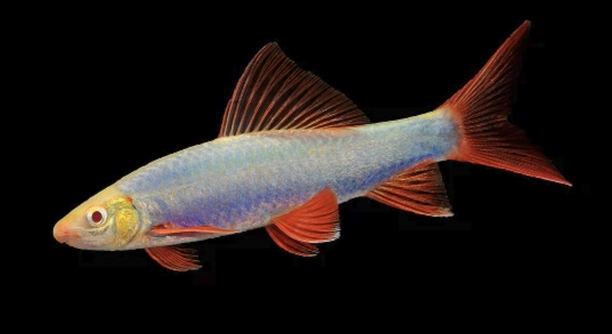
Rainbow sharks are popular freshwater fish known for their striking colors and active behavior. They require specific tank conditions to stay healthy and comfortable. Monitoring their well-being is important for any aquarist who wants a thriving aquarium.
Signs that a rainbow shark is comfortable include steady swimming patterns, regular feeding behavior, vibrant coloration, and minimal hiding. A healthy tank environment with proper water parameters supports these positive indicators, ensuring the fish’s overall welfare and stress reduction.
Recognizing these signs helps maintain a balanced habitat and promotes your rainbow shark’s long-term health and happiness in its tank.
Observing Swimming Behavior
Rainbow sharks comfortable in their environment swim actively and confidently throughout the tank. They explore different areas without appearing stressed or frantic. Erratic or sluggish swimming often signals discomfort or illness. Healthy rainbow sharks maintain a steady pace and avoid staying in one spot for too long unless resting. They tend to swim near the middle or bottom of the tank, using the space to establish territory. If your fish constantly hides or darts nervously, it may be a sign of poor water quality or an unsuitable tank setup. Consistent, smooth swimming shows the fish is adapting well and feels secure in its habitat.
When a rainbow shark swims steadily and explores its tank, it typically indicates comfort and good health. Watching these patterns helps assess your fish’s well-being.
Noticing how your rainbow shark moves can tell you a lot about its comfort. Active swimming suggests the fish is thriving, while hesitation or hiding may require adjustments to tank conditions. Regular observation allows you to catch potential issues early and make improvements that benefit your fish’s quality of life.
Tank Cleanliness and Water Quality
Water quality plays a vital role in your rainbow shark’s comfort. Maintaining clean water with the correct pH, temperature, and ammonia levels prevents stress and illness. Regular water changes and filtration are necessary to keep toxins low. Testing water parameters weekly helps detect problems before they affect your fish. Dirty tanks or poor filtration cause discomfort, which often leads to hiding or loss of appetite. Stable water conditions help rainbow sharks maintain their vibrant colors and energy. A well-maintained tank creates a healthy environment, promoting natural behaviors and reducing stress. Ensuring good water quality is one of the most important steps to keep your rainbow shark comfortable and thriving in its home aquarium. Proper care involves patience and consistency but results in a happier fish and a better display.
Consistent tank maintenance is essential for a comfortable environment. Clean, balanced water supports your rainbow shark’s health and reduces stress.
Proper tank upkeep includes changing water regularly, cleaning filters, and monitoring water chemistry. Avoid overfeeding to reduce waste buildup. These habits create a safe habitat where your rainbow shark can flourish. Keeping the tank clean minimizes disease risk and helps your fish display its best colors. If you notice cloudy water or unusual smells, it is time for a water change. Taking these measures will keep your rainbow shark healthy and comfortable for years.
Appetite and Feeding Habits
A rainbow shark with a good appetite is usually comfortable in its tank. Refusing food or eating less can signal stress or illness. Monitoring feeding habits is important for maintaining your fish’s health.
Regular feeding routines help establish comfort for rainbow sharks. When they eagerly eat their food, it shows they feel secure and healthy. Stress or poor water quality often reduces appetite, so it’s crucial to provide fresh, varied food and avoid overfeeding. Watching how your fish responds during feeding times can reveal much about its well-being.
Feeding behavior is also linked to tank conditions. If your rainbow shark is active during feeding and quickly consumes food, it is likely comfortable with its surroundings. On the other hand, reluctance to eat or hiding during feeding times often means the tank environment needs adjustment. Consistent feeding schedules and quality food improve both appetite and overall fish health.
Interaction with Tank Mates
Rainbow sharks that coexist peacefully with other fish show signs of comfort in their environment. Aggression or constant hiding may indicate stress or territorial disputes. Proper stocking and compatible species reduce tension and promote harmony.
A balanced tank with compatible fish species supports your rainbow shark’s comfort. Rainbow sharks can be territorial but usually tolerate tank mates if given enough space and hiding spots. Avoid overcrowding and choose species with similar temperaments. Monitoring interactions helps identify problems early and prevents injuries. Providing ample plants or decorations also gives fish places to retreat, reducing stress.
Comfortable rainbow sharks engage with other fish without aggressive chasing or constant hiding. Their calm behavior indicates a stable environment where all inhabitants feel secure. Adjusting tank conditions or rearranging decorations can improve interactions and reduce stress. Keeping an eye on how your fish relate to each other is key to maintaining a peaceful aquarium.
Color and Appearance
Bright, vibrant colors indicate a healthy and comfortable rainbow shark. Dull or faded colors can signal stress or poor water quality.
Healthy rainbow sharks maintain their vivid red and black hues. Changes in color may reflect illness, stress, or inadequate lighting conditions.
Resting Spots and Hiding Behavior
Rainbow sharks need places to rest and hide to feel secure. Providing caves or plants encourages natural behavior and comfort.
Resting spots help reduce stress and offer refuge from more aggressive tank mates. Without these, rainbow sharks may become anxious or hide excessively.
Response to Tank Environment Changes
Sudden changes in water temperature, pH, or lighting often cause discomfort. Rainbow sharks react by hiding, erratic swimming, or loss of appetite. Maintaining stable tank conditions minimizes stress and promotes well-being.
Body Condition and Physical Health
A healthy rainbow shark has smooth scales, intact fins, and no signs of injury or disease. Watch for unusual spots, frayed fins, or swelling, which may indicate health problems needing attention.
How often should I feed my rainbow shark?
Feeding your rainbow shark once or twice a day is sufficient. Provide only what it can eat within a few minutes to avoid overfeeding. Overfeeding can pollute the water and harm your fish’s health. Balanced portions help keep your rainbow shark healthy and comfortable.
What is the ideal tank size for a rainbow shark?
A minimum tank size of 30 gallons is recommended for a single rainbow shark. These fish are active swimmers and need plenty of space to establish territory. Larger tanks also help maintain better water quality, which supports the fish’s comfort and well-being.
Can rainbow sharks live with other fish?
Yes, but tank mates should be chosen carefully. Rainbow sharks can be territorial, especially in smaller tanks. Suitable companions include peaceful, similarly sized fish that can tolerate the rainbow shark’s temperament. Avoid slow-moving or long-finned fish, as they may become targets.
How do I know if my rainbow shark is stressed?
Signs of stress include hiding, erratic swimming, loss of appetite, and faded coloration. Stress often results from poor water quality, overcrowding, or incompatible tank mates. Regular observation and maintaining a clean, stable environment are key to reducing stress.
What water parameters are best for rainbow sharks?
Ideal water temperature ranges from 72°F to 79°F (22°C to 26°C). The pH should be between 6.5 and 7.5, with low ammonia and nitrite levels. Regular water testing helps ensure these parameters remain stable, which is essential for your fish’s comfort.
How often should I change the water?
Perform a partial water change of about 20-30% weekly. This helps remove toxins and maintain water clarity. Regular changes support your rainbow shark’s health and reduce stress caused by poor water conditions.
Why is my rainbow shark hiding all the time?
Constant hiding may indicate stress, illness, or poor tank conditions. Check water parameters, tank mates, and overall setup. Adding plants and hiding spots can help your fish feel secure. If hiding persists, consider consulting a specialist.
Can I keep more than one rainbow shark together?
Keeping multiple rainbow sharks in the same tank can lead to territorial disputes unless the tank is very large with enough hiding spaces. Overcrowding increases stress and aggression, so it is best to keep only one or provide a large, well-structured tank for multiple fish.
What should I do if my rainbow shark stops eating?
Loss of appetite may result from stress, illness, or poor water quality. Test the water, observe for signs of disease, and ensure proper tank conditions. Offering varied foods like pellets, flakes, and occasional live or frozen treats may encourage feeding.
How can I prevent diseases in my rainbow shark?
Maintaining clean water, a stable environment, and proper nutrition helps prevent most diseases. Quarantine new fish before adding them to the tank. Watch for symptoms like spots, swelling, or unusual behavior, and treat problems early with appropriate medication.
Taking care of a rainbow shark requires attention to its behavior, environment, and health. These fish need clean water, proper tank size, and compatible tank mates to feel comfortable. Watching how your rainbow shark swims, eats, and interacts can give you clear signs of its well-being. When the fish appears active, shows bright colors, and eats regularly, it usually means it is happy in its tank.
Maintaining water quality is one of the most important factors in keeping your rainbow shark comfortable. Regular water changes, proper filtration, and testing the water parameters help reduce stress and prevent illness. It is important to avoid overfeeding, as leftover food can pollute the water. Providing hiding places and enough room in the tank also supports natural behavior and reduces aggression. When these conditions are met, your rainbow shark can live a healthy and long life.
Paying close attention to your rainbow shark’s physical condition and behavior can help you catch problems early. If you notice changes such as hiding too much, loss of appetite, or dull colors, it may indicate discomfort or health issues. Making adjustments to the tank environment or consulting an expert can improve the fish’s quality of life. Overall, a well-maintained tank and consistent care will help your rainbow shark feel safe and comfortable in its home.

Hello,
If you enjoy the content that we create, please consider saying a "Thank You!" by leaving a tip.
Every little bit helps us continue crafting quality advice that supports the health, happiness, and well-being of pets around the world, for pets of all shapes, sizes, and species.
We really appreciate the kindness and support that you show us!