
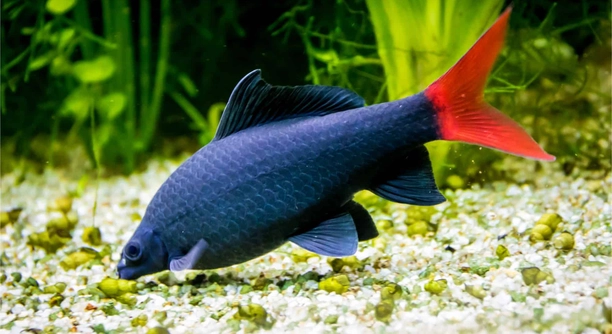
Is your rainbow shark spending most of its time chasing tank mates or pacing along the glass instead of resting calmly?
Rainbow sharks often need more hiding spots when they display territorial behavior, excessive swimming, or signs of stress. These fish thrive in environments that offer cover, helping them feel secure and reducing aggression toward other tank inhabitants.
Adding the right structures can make a big difference in your rainbow shark’s behavior, health, and overall comfort in the aquarium.
Signs Your Rainbow Shark Feels Exposed
A rainbow shark without enough hiding spots can start to show clear signs of discomfort. You may notice it swimming back and forth aggressively, especially near the tank walls. Some sharks will start to chase other fish more frequently or become territorial, guarding certain areas without rest. These behaviors usually mean the fish feels unsafe or overwhelmed. In tanks with too much open space, rainbow sharks may stay active for long periods, which leads to stress and even illness. Over time, the constant stress weakens their immune system, making them more vulnerable to disease. A stressed shark might also stop eating or become more skittish around tank mates. All of these signs point to a need for more secure spaces within the tank. A calm, confident shark will show relaxed movements, explore the tank slowly, and won’t act aggressively unless provoked or startled by sudden changes.
Fish that feel unsafe often move quickly, hide less, and may try to dominate other fish in the tank.
By paying attention to your rainbow shark’s behavior, you can respond before the problem worsens. Watching closely helps you create a healthier, calmer tank that supports balanced behavior and reduces conflict between your fish.
Choosing the Right Hiding Structures
Not all hiding spots are effective. Choose decorations that provide both coverage and easy access.
The best hiding spots are caves, tunnels, or stacked stones that let the rainbow shark feel shielded without getting trapped. These fish prefer shaded areas that mimic the dark, quiet spaces found in their natural habitats. Driftwood, rock arches, or PVC pipe setups work well because they give the fish enough room to turn around and enter or exit easily. Avoid hiding spots that are too tight or have sharp edges, as they may cause injury or stress. Also, space them throughout the tank to give the shark multiple zones to claim without overly defending a single corner. Mixing natural and artificial hiding spaces adds variety and helps blend with the tank’s layout. Decorations should not clutter the tank, as rainbow sharks also need open space to swim. A balanced layout improves comfort and keeps aggression low. Once the right hiding spots are added, you’ll likely notice a calmer shark and fewer tank disputes.
Tank Size and Layout Matter
A cramped tank makes it harder for your rainbow shark to feel secure. Even with hiding spots, limited space causes tension between tank mates and increases stress-related behavior. A well-sized tank gives both space and separation.
A rainbow shark needs at least a 30-gallon tank, but larger is better, especially if other fish are present. The tank should have a horizontal layout, allowing the shark to swim freely while accessing shelters at both ends. Tall decorations may look nice, but horizontal coverage is more effective for bottom-dwelling fish like the rainbow shark. Proper layout also prevents aggressive guarding of one area. Use natural barriers, like driftwood or rock walls, to visually divide the tank. This reduces conflict and gives fish a chance to avoid one another. Rearranging the layout slightly from time to time can also help break patterns of territorial behavior.
Adding more swimming space helps reduce tension, but don’t leave the tank too open. Without shaded areas and boundaries, your rainbow shark may still feel vulnerable. Too much open water can be just as stressful as too little space. Balance is key. You want enough room for swimming and enough structure for resting. When the setup feels right, your rainbow shark will be more relaxed and less reactive.
Behavior Changes to Watch For
When rainbow sharks feel unsafe, their behavior often becomes more aggressive or overly anxious. They may dart around quickly, chase other fish, or hide constantly. Some may refuse food or appear pale.
A stressed rainbow shark will often try to control part of the tank, pushing other fish away from a certain zone. If this happens often, it usually means the shark is struggling to feel safe and doesn’t have proper places to rest. Constant patrolling and chasing can also lead to fatigue, which weakens the fish over time. Some sharks may also develop torn fins or show signs of physical wear. If you notice your fish acting unusually alert or defensive, check the tank’s structure and make sure the environment offers enough privacy and room. Addressing the tank layout and adding proper hiding spots often leads to fast improvements in behavior.
Hiding Spots Help Reduce Aggression
When rainbow sharks have enough places to hide, they become less territorial. This is because they no longer feel the need to guard a single area. Secure hiding spots give them a sense of control and safety.
Well-placed shelters can lower overall aggression in the tank. They help reduce stress-related chasing and create peaceful breaks between fish.
Rearranging Decorations Can Help
Sometimes changing the tank layout can calm things down. If a rainbow shark becomes overly possessive of one space, moving decorations around resets territorial boundaries. It also keeps the fish mentally stimulated. A simple shift in cave location or the angle of driftwood can change the tank’s flow. This helps spread out activity and reduces competition. Rearranging also helps introduce new hiding spots or make old ones more accessible. Keep the layout balanced, leaving open swimming areas and shaded corners. Making small changes every few weeks can prevent the shark from becoming too fixed in one pattern or space.
Signs You Need More Cover
If your rainbow shark keeps swimming in loops, hides less, or constantly chases others, the tank likely lacks enough hiding spots.
How many hiding spots does a rainbow shark need?
A rainbow shark generally needs at least three to four hiding spots spread throughout the tank. This allows the fish to choose different places to retreat depending on its mood or tank activity. Having multiple shelters prevents it from feeling forced to guard one area aggressively. Each hiding spot should be spacious enough for the shark to enter and turn around comfortably. If your tank has several other fish, increase the number of hiding spots accordingly. More shelters help reduce territorial disputes and stress. The size of the tank also affects how many hiding spots are needed; larger tanks require more to keep the environment balanced. Regularly observing your fish’s behavior can guide you in deciding if more hiding places are necessary.
What types of materials are best for hiding spots?
Natural materials like smooth rocks, driftwood, and aquarium-safe caves are the best options. These mimic the fish’s natural environment and feel safer. Avoid sharp or rough surfaces that could injure your rainbow shark. Artificial decorations made from safe plastics or ceramics also work well if they have smooth edges. Avoid anything treated with chemicals or painted with toxic finishes. Plants, either live or artificial, can add extra cover but should not block too much swimming space. PVC pipes are a simple, inexpensive hiding spot, but be sure to smooth edges and test the size before adding them. Overall, the goal is to provide secure, comfortable spaces that won’t harm your fish.
Can too many hiding spots cause problems?
Yes, too many hiding spots can crowd the tank and reduce open swimming areas, which are also important for rainbow sharks. Overcrowding with decorations may trap waste, making cleaning harder and lowering water quality. When hiding spots fill the tank, fish may feel confined rather than secure, leading to stress. Finding balance is key: enough shelters to feel safe but enough open space to swim freely. Rearrange or remove excess decorations if the tank looks cluttered or if the shark seems less active. Keep pathways clear so your fish can move easily between hiding spots and open areas.
How often should I rearrange the hiding spots?
Rearranging hiding spots every few weeks or months can help reduce territorial behavior by breaking up established zones. It stimulates your rainbow shark mentally and helps distribute activity more evenly. However, don’t change the layout too often or too drastically, as constant disruption can cause stress. Small shifts in decoration placement or adding a new shelter is enough. Always observe how your fish reacts after rearranging and adjust accordingly. If the shark seems more active and less aggressive, the changes are positive.
What if my rainbow shark still seems stressed despite hiding spots?
If your rainbow shark shows signs of stress despite adequate hiding spots, check water quality and tank size first. Poor water conditions or overcrowding often cause stress. Make sure filtration is effective and water parameters match recommended levels. Consider tank mates too—some fish species may harass or intimidate the rainbow shark. If aggression continues, separating the shark temporarily or upgrading to a larger tank may be necessary. Lastly, ensure your hiding spots provide enough darkness and space; sometimes, the size or position of shelters is not suitable.
Are live plants good hiding spots for rainbow sharks?
Live plants can provide additional cover and help create a natural environment. Broad-leaved plants like Anubias or Amazon sword offer shaded areas the fish can use. However, plants alone usually don’t provide enough shelter for rainbow sharks since these fish prefer solid structures to hide behind or inside. Combine live plants with caves or driftwood to improve security. Plants also improve water quality by absorbing nitrates and offering oxygen. Just make sure the plants are securely anchored and compatible with your fish’s tank conditions.
Can hiding spots improve my rainbow shark’s color and health?
Yes, a less stressed rainbow shark often shows better color and improved health. When fish feel safe, they rest more and use energy for growth and immune function rather than constant defense. Proper hiding spots reduce stress hormones that can dull coloration and weaken the immune system. A secure environment also encourages regular feeding and reduces the risk of injury from chasing or fighting. Healthy fish display vibrant colors and clear fins. Adding suitable shelters is one of the easiest ways to promote well-being and a beautiful appearance.
What are the signs of a good hiding spot for a rainbow shark?
A good hiding spot lets the rainbow shark enter easily, turn around, and rest without feeling trapped. It should be quiet, shaded, and placed near the bottom or sides of the tank. The spot should remain stable during water movement and not collapse or shift. Your fish will frequently visit or spend extended time there if it feels safe. Avoid overly narrow spaces or places with rough surfaces. If your rainbow shark avoids a hiding spot or seems hesitant to enter, consider changing or improving it. Well-designed hiding places reduce stress and aggressive behavior.
How to introduce new hiding spots without stressing the fish?
Add new hiding spots gradually, giving your rainbow shark time to adjust. Place the shelter near an existing area the fish already uses to reduce shock. Avoid sudden or multiple changes at once. Monitor your fish closely for signs of stress or avoidance. If the fish reacts negatively, remove or reposition the new decoration. Over several days, your rainbow shark will explore and start using the new shelter once comfortable. Patience is important; a gradual approach helps maintain stability and reduces unnecessary stress.
Can hiding spots help with breeding behavior?
Hiding spots can encourage breeding by providing secure places for rainbow sharks to lay eggs and protect fry. In the wild, these fish seek out sheltered spots for spawning. Providing caves, dense plants, or tight crevices supports natural breeding instincts. It also reduces disturbances from other tank mates, increasing fry survival rates. However, breeding depends on other factors too, such as water quality, diet, and tank conditions. Hiding spots alone won’t guarantee breeding but create a more favorable environment. For successful breeding, combine good shelter with proper care and monitoring.
Providing enough hiding spots for your rainbow shark is essential to its well-being. These fish need secure places where they can retreat and feel safe from other tank mates. Without enough shelter, rainbow sharks may become stressed, aggressive, or restless. Stress can weaken their immune system and lead to health problems. By adding appropriate hiding spots, you create an environment that supports calm and balanced behavior. This helps your fish enjoy its home and interact more peacefully with other inhabitants.
Choosing the right types of hiding spots matters just as much as how many you have. Natural decorations like smooth rocks, caves, and driftwood work well because they resemble the fish’s natural habitat. Providing a variety of shelters spread throughout the tank gives your rainbow shark multiple options and reduces territorial disputes. It is also important to balance hiding spots with open swimming space. Rainbow sharks need both to feel comfortable—too many decorations can crowd the tank and cause stress just like too few hiding spots. Regularly observing your fish’s behavior helps you adjust the setup as needed.
Lastly, maintaining a proper tank layout and good water quality supports the benefits of hiding spots. A spacious tank with a thoughtful arrangement of shelters encourages less aggressive and more relaxed behavior. Rearranging decorations occasionally can prevent territorial patterns and stimulate your fish mentally. Remember that your rainbow shark’s comfort depends on several factors working together, including size, layout, and cleanliness. Taking time to meet these needs helps your fish stay healthy and vibrant for the long term.

Hello,
If you enjoy the content that we create, please consider saying a "Thank You!" by leaving a tip.
Every little bit helps us continue crafting quality advice that supports the health, happiness, and well-being of pets around the world, for pets of all shapes, sizes, and species.
We really appreciate the kindness and support that you show us!