
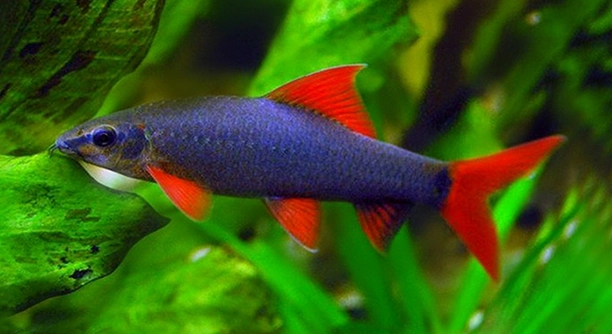
Rainbow sharks are popular freshwater fish known for their striking colors and active behavior. Many hobbyists enjoy keeping them because they add life to home aquariums. However, maintaining a healthy environment for these fish requires care and attention.
There are several common mistakes to avoid in a rainbow shark’s tank, including overcrowding, improper water conditions, and unsuitable decorations. These errors can cause stress, illness, and even death, so understanding what to avoid is essential for their wellbeing.
Learning what not to do helps ensure your rainbow shark thrives in its tank. This guide will highlight key mistakes to prevent and promote a healthier habitat for your fish.
Overcrowding the Tank
Keeping too many fish in a rainbow shark’s tank is a common problem. These fish need enough space to swim freely and establish their territory. When the tank is overcrowded, it leads to stress, which weakens their immune system. This makes them more likely to get sick. Overcrowding also causes poor water quality because more waste is produced. Poor water quality means the tank needs more frequent cleaning and water changes. When cleaning isn’t done properly, toxins like ammonia and nitrites can build up, harming the fish. It’s best to keep one rainbow shark per 30-gallon tank or larger. This gives them room to move and reduces conflicts. Proper tank size improves their health and behavior.
Overcrowding not only affects the fish but also increases maintenance work. Avoid this by choosing the right tank size from the start.
Understanding the right space requirements helps keep your rainbow shark calm and healthy. Less crowding means less stress and a cleaner environment. It also prevents aggressive behavior toward other tank mates. This way, your aquarium stays balanced, and your fish can live comfortably for a long time.
Ignoring Water Quality
Water quality is crucial for rainbow sharks’ health. Poor water conditions lead to diseases and stress. Regular testing for ammonia, nitrites, nitrates, and pH levels is essential.
Ignoring water quality can cause rapid declines in fish health. Rainbow sharks are sensitive to toxins and need clean, well-filtered water. Ammonia and nitrites must be at zero, while nitrates should stay below 20 ppm. The pH level should be between 6.5 and 7.5 to mimic their natural habitat. Frequent water changes, at least 25% weekly, help maintain this balance. Proper filtration removes waste and keeps the water clear. It’s also important not to overfeed, as leftover food decays and pollutes the water. Using a water conditioner can neutralize harmful chemicals like chlorine found in tap water. All these steps create a stable environment where your rainbow shark can thrive.
Taking water quality seriously prevents many common problems and supports the long-term health of your fish.
Using Sharp or Rough Decorations
Sharp or rough decorations can injure your rainbow shark. These fish have delicate fins that tear easily. Injuries can lead to infections or stress, harming their health.
Choosing smooth rocks, driftwood, or plastic plants reduces the risk of cuts and scrapes. Avoid decorations with jagged edges or rough surfaces. This helps your fish swim safely without damage. Inspect new decorations carefully before adding them to the tank.
Safe decorations also prevent accidents when the fish dart around. Rainbow sharks are active swimmers, and rough objects increase chances of injury. A well-chosen tank setup supports their natural behavior while keeping them protected. Always prioritize smooth, fish-friendly items to maintain a healthy environment.
Feeding Too Much
Overfeeding is a common mistake that harms rainbow sharks. Excess food sinks and decomposes, polluting the tank. This causes poor water quality, which stresses the fish.
Feed only what your fish can eat in 2-3 minutes, once or twice daily. Remove any leftover food promptly to prevent decay. Use a balanced diet with sinking pellets and occasional live or frozen foods to meet their nutritional needs. Overfeeding leads to obesity and weaker immune systems. Maintaining proper feeding routines supports their energy and growth.
Limiting food intake also reduces tank maintenance since less waste accumulates. A healthy feeding schedule keeps your rainbow shark active and thriving.
Neglecting Regular Tank Cleaning
Skipping regular tank cleaning causes harmful buildup. Waste and uneaten food create toxic chemicals. This stresses rainbow sharks and can cause illness.
A weekly cleaning routine, including partial water changes and gravel vacuuming, keeps the tank safe. Clean tanks help maintain healthy water parameters and reduce disease risk.
Using Incompatible Tank Mates
Rainbow sharks can be aggressive toward slow-moving or small fish. Choosing tank mates that can hold their own prevents stress and injuries. Avoid peaceful or timid species that might become targets.
Compatible tank mates include fast swimmers and larger fish that tolerate the shark’s behavior. Proper pairing keeps the tank peaceful and balanced.
Ignoring Temperature Requirements
Rainbow sharks need water between 74°F and 80°F. Temperatures outside this range weaken their immune system and slow metabolism. Use a reliable heater and thermometer to maintain stable conditions.
Overlooking Proper Filtration
Good filtration removes waste and toxins efficiently. Inadequate filtration leads to poor water quality, which harms fish health. Choose a filter suitable for your tank size and monitor it regularly for performance.
FAQ
How often should I change the water in my rainbow shark’s tank?
Water changes are essential for maintaining a healthy environment. Ideally, change 20-25% of the tank water every week. This helps remove toxins and keeps water parameters stable. Avoid changing too much water at once, as it can stress the fish. Use a water conditioner to treat tap water before adding it back to the tank.
What is the best diet for rainbow sharks?
Rainbow sharks are omnivores and need a balanced diet. Sinking pellets formulated for bottom feeders are a good base. Supplement their diet with live or frozen foods like bloodworms, brine shrimp, or daphnia. Vegetables such as blanched zucchini or peas can be offered occasionally. Feeding small amounts twice daily is recommended to avoid overfeeding.
Can rainbow sharks live with other fish?
Yes, but tank mates must be chosen carefully. Rainbow sharks can be territorial and aggressive, especially in smaller tanks. Good companions include fast-moving fish that occupy different tank levels, such as danios or barbs. Avoid slow or timid fish that might become targets. Always provide enough hiding spaces to reduce conflict.
What size tank is suitable for a rainbow shark?
A minimum of 30 gallons is recommended for one rainbow shark. They require space to swim and claim territory. Larger tanks allow for better water quality and reduce aggressive behavior. If keeping multiple rainbow sharks, increase tank size accordingly, and monitor their interactions closely.
How do I recognize if my rainbow shark is stressed?
Signs of stress include hiding frequently, loss of color, rapid breathing, and reduced appetite. Aggression toward other fish or lethargy can also indicate stress. Stress often results from poor water conditions, overcrowding, or incompatible tank mates. Acting quickly to improve tank conditions helps your fish recover.
What water parameters are ideal for rainbow sharks?
Rainbow sharks prefer slightly acidic to neutral water with a pH between 6.5 and 7.5. Temperature should be maintained between 74°F and 80°F. Ammonia and nitrites must be at zero, and nitrates kept low, below 20 ppm. Regular testing ensures these conditions stay stable.
How can I prevent diseases in my rainbow shark’s tank?
Maintaining clean water, providing a balanced diet, and avoiding overcrowding reduce disease risks. Quarantining new fish before introducing them prevents infections. Watch for signs of illness like white spots, clamped fins, or unusual behavior, and treat promptly if needed. Proper filtration and temperature control are also vital.
Is it necessary to have a heater in the rainbow shark’s tank?
Yes, rainbow sharks need stable temperatures within their preferred range. A heater helps maintain consistent warmth, especially in cooler climates or during winter. Fluctuating temperatures weaken their immune system and can lead to health problems.
Can rainbow sharks jump out of the tank?
Yes, they can jump if startled or if the water conditions are poor. A tight-fitting lid or cover is important to keep them safe. Ensure the tank environment is stable and free of sudden disturbances to reduce jumping risks.
How long do rainbow sharks live?
With proper care, rainbow sharks can live 5 to 8 years. Good water quality, a balanced diet, and a stress-free environment contribute to their longevity. Regular monitoring and maintenance help your fish enjoy a full, healthy life.
Taking care of a rainbow shark requires attention to several important factors. These fish need a clean, spacious tank with good water quality. Avoid overcrowding and sharp decorations to keep them safe and healthy. Feeding the right amount of food and maintaining the right temperature also play a big role in their wellbeing. When these basic needs are met, rainbow sharks can live comfortably and show their natural beauty.
It is easy to make mistakes if you are not familiar with their needs. Overfeeding or ignoring water quality can quickly cause problems. Poor water conditions stress the fish and make them vulnerable to disease. Likewise, choosing incompatible tank mates or placing rough objects inside the tank can lead to injury or aggressive behavior. Taking simple steps like regular water changes and careful decoration selection can prevent many common issues.
Rainbow sharks are active and interesting fish that add life to a tank when cared for properly. Paying attention to their environment and habits helps create a balanced, healthy aquarium. By avoiding harmful practices and following basic care guidelines, you help your fish thrive for many years. The effort you put into maintaining the tank will reward you with a beautiful and lively aquatic setup.

Hello,
If you enjoy the content that we create, please consider saying a "Thank You!" by leaving a tip.
Every little bit helps us continue crafting quality advice that supports the health, happiness, and well-being of pets around the world, for pets of all shapes, sizes, and species.
We really appreciate the kindness and support that you show us!