
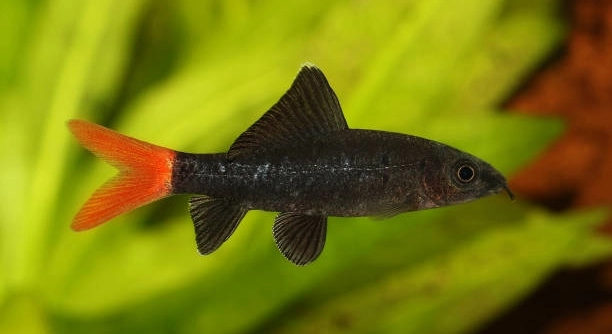
Rainbow sharks are popular aquarium fish known for their bright colors and active swimming. Understanding their social behavior is important for keeping them healthy and happy in a community tank. This article explores key facts about how these fish interact with others.
Rainbow sharks show territorial behavior and can be aggressive toward their own kind, especially in smaller tanks. They prefer having their own space and may chase other fish to establish dominance and protect their area.
Knowing these social habits helps create a balanced aquarium environment where your rainbow shark can thrive alongside other fish.
Territorial Behavior and Tank Size
Rainbow sharks are naturally territorial fish. In a small tank, they tend to defend their space aggressively. This behavior is most visible when multiple rainbow sharks are kept together in confined spaces. They may chase or nip at each other and other fish to maintain control. The size of the tank plays a major role in how peaceful or aggressive these fish will be. A tank smaller than 30 gallons is usually too crowded for more than one rainbow shark. Providing enough hiding places and visual barriers can help reduce conflicts. Tank mates that are fast and peaceful generally coexist better with rainbow sharks. Understanding this behavior is essential to avoid stress or injury among your fish.
A larger tank with proper layout reduces territorial disputes. Rainbow sharks have room to establish their own zones without constant confrontation.
Adjusting the tank size and decoration helps maintain harmony, allowing the rainbow shark to feel secure and less aggressive.
Social Interaction with Other Fish
Rainbow sharks often keep to themselves but can tolerate other fish in the right environment. They are not schooling fish and prefer living singly or in loosely grouped settings. When kept with compatible species, rainbow sharks usually focus on their own territory rather than bothering others. They interact more through quick chases than constant social contact. Compatibility depends on the personality of the individual fish as well as the species. Peaceful, non-aggressive fish that swim in different tank areas are ideal companions. Bottom dwellers and slow-moving fish might face more aggression. Introducing rainbow sharks to the tank last can reduce territorial disputes. Observing their behavior closely during the first days will help ensure peaceful cohabitation. Proper feeding and sufficient space minimize stress and improve social balance.
Feeding Behavior
Rainbow sharks are primarily omnivores with a strong preference for sinking foods. They often forage near the tank bottom, searching for leftover pellets, flakes, or small live foods. Feeding habits can affect their social behavior, especially if food is scarce or competition is high.
Overfeeding can cause aggression during mealtimes. Rainbow sharks may chase other fish away from food or become territorial around feeding spots. To reduce this, it helps to distribute food evenly across the tank, giving all fish access without crowding. Providing a varied diet with vegetables and protein keeps them healthy and less prone to food-related disputes.
Regular feeding schedules create a stable routine that reduces anxiety and competition. Watching their feeding patterns also offers insight into their health and mood, which is useful for managing their social interactions.
Activity Levels and Tank Setup
Rainbow sharks are active swimmers that need ample space to move. A tank with plenty of open swimming areas and hiding spots suits their natural behavior well. They tend to explore during the day and rest near decorations or plants at night.
A well-planned tank setup balances open space and shelter, helping reduce stress and territorial aggression. Adding rocks, caves, or driftwood creates separate zones and visual barriers, which calm these fish by breaking lines of sight.
Providing a varied environment encourages natural behaviors like foraging and exploring. This keeps the rainbow shark mentally and physically engaged, improving its overall well-being and social tolerance in the aquarium.
Compatibility with Other Species
Rainbow sharks usually get along with fish that are not overly aggressive or slow-moving. They prefer tank mates that occupy different areas of the aquarium, reducing competition for space and food.
Avoid keeping rainbow sharks with very small or delicate fish, as chasing can cause stress or injury.
Breeding Behavior
Rainbow sharks are known to be territorial during breeding, often becoming more aggressive. Males defend chosen spawning sites and may chase away other fish to protect their territory. Spawning usually occurs in secluded areas within the tank, such as caves or dense plants. Breeders often separate pairs to reduce stress and aggression. Observing this behavior helps manage the breeding environment effectively and ensures the safety of both adults and fry.
Stress Indicators
Signs of stress in rainbow sharks include hiding frequently, loss of color, and reduced activity.
How aggressive are rainbow sharks toward other fish?
Rainbow sharks can show moderate aggression, especially toward their own kind or similar-looking fish. They defend their territory by chasing or nipping at others, mainly when the tank is too small or lacks hiding places. In a well-sized tank with enough space and proper decoration, their aggression usually lessens, allowing peaceful cohabitation with non-aggressive species.
What tank size is best to reduce aggression?
A minimum of 30 gallons is recommended for one rainbow shark. Larger tanks are better if you want to keep more than one or include other fish species. Ample space reduces territorial disputes and allows each fish to establish its own zone, which is vital for minimizing stress and aggressive behavior.
Can rainbow sharks live with other bottom dwellers?
They can coexist with other bottom dwellers, but careful species selection is important. Avoid very slow or small bottom fish since rainbow sharks are active and may harass them. Fast-moving or armored bottom dwellers, like certain catfish, usually do better as tank mates.
How can I tell if my rainbow shark is stressed?
Signs of stress include hiding too much, faded color, reduced appetite, and lethargy. Stress may result from overcrowding, poor water quality, or aggressive tank mates. Maintaining good water conditions and a peaceful environment helps keep your rainbow shark healthy and less stressed.
Do rainbow sharks need to be kept alone?
Rainbow sharks do not need to be alone but require space to avoid constant conflict. Keeping only one per tank or providing a large tank with plenty of hiding spots can prevent aggression. Introducing other species that occupy different tank zones also promotes harmony.
What should I feed my rainbow shark to support its social behavior?
A balanced diet with sinking pellets, flakes, and occasional live or frozen foods supports health and reduces competition during feeding. Supplementing with vegetables like blanched zucchini or spinach helps meet nutritional needs and keeps your fish active without food-related stress.
Why does my rainbow shark chase other fish?
Chasing is a natural territorial behavior, often seen when your fish feels crowded or threatened. It is usually aimed at protecting its space or asserting dominance. Adjusting tank size and rearranging decorations to create visual barriers can reduce chasing behavior.
How can I introduce a new rainbow shark to my tank?
Introduce the new fish last, after the current fish have established territories. Use a quarantine tank first to check health. Adding plenty of plants, rocks, and hiding spots helps the newcomer find its own space and lowers aggression during introduction.
Can rainbow sharks recognize their owners?
Rainbow sharks do not recognize humans like some pets but may respond to feeding routines and movements near the tank. They can associate your presence with food and sometimes swim closer during feeding times.
What is the best way to monitor social behavior?
Observe your tank regularly for signs of aggression, stress, or unusual hiding. Early detection of conflicts or health issues allows timely adjustments in tank setup, feeding, or stocking. Keeping a journal of behavior changes can also help track your fish’s well-being over time.
Are there any signs that indicate successful social interaction?
Successful social interaction includes calm swimming, occasional peaceful chasing without injury, and sharing of tank space without constant hiding. A balanced aquarium shows healthy coloration, regular feeding behavior, and minimal signs of stress or damage among fish.
How often should I rearrange the tank to reduce aggression?
Occasionally changing the layout every few months can disrupt established territories and reduce long-term aggression. However, avoid frequent or drastic changes that stress the fish. Small adjustments like moving decorations or adding plants can be enough to keep the environment interesting.
What are common mistakes in managing rainbow shark social behavior?
Common mistakes include overcrowding the tank, mixing incompatible species, and providing inadequate hiding spots. Overfeeding or irregular feeding schedules can also increase competition and aggression. Maintaining proper tank size, decoration, and diet are key to preventing these issues.
Can stress affect my rainbow shark’s lifespan?
Chronic stress weakens the immune system, making your rainbow shark more vulnerable to disease and shortening its lifespan. Providing a stable, peaceful environment with clean water and proper care helps ensure a longer, healthier life for your fish.
Is it necessary to separate aggressive rainbow sharks?
If aggression becomes severe, separating fish temporarily or permanently may be necessary. This prevents injury and reduces stress. Using tank dividers or creating separate tanks can be effective solutions for managing aggressive individuals.
Rainbow sharks are fascinating fish with unique social behaviors that are important to understand for successful care. Their natural territorial instincts mean they can sometimes show aggression, especially if their environment is too small or lacks hiding places. Giving them enough space and a well-planned tank setup helps reduce conflicts and keeps them calmer. Knowing how they act with other fish allows you to choose good tank mates and create a peaceful community aquarium.
Feeding plays a big role in rainbow sharks’ behavior. Offering a balanced diet and feeding them regularly prevents food competition, which can lead to chasing or aggression. It also helps to spread the food around the tank so all fish have access without fighting. Providing variety in their diet, such as pellets, flakes, and occasional live foods, keeps them healthy and less likely to become stressed or aggressive over food. Watching their feeding behavior can give useful clues about their overall well-being.
In the end, paying attention to your rainbow shark’s social habits can improve both their quality of life and the harmony in your aquarium. Keeping their tank large enough, adding plenty of decorations for hiding, and selecting compatible fish all contribute to a better environment. Regular observation helps catch early signs of stress or conflict so you can take action quickly. By understanding and respecting these behaviors, you can enjoy a vibrant and active rainbow shark that fits well within your aquatic community.

Hello,
If you enjoy the content that we create, please consider saying a "Thank You!" by leaving a tip.
Every little bit helps us continue crafting quality advice that supports the health, happiness, and well-being of pets around the world, for pets of all shapes, sizes, and species.
We really appreciate the kindness and support that you show us!