
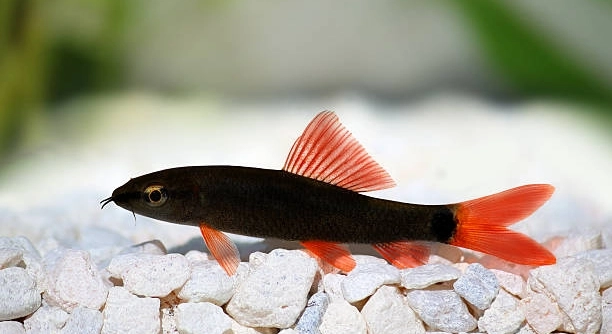
Rainbow sharks are popular freshwater fish known for their striking colors and active behavior. Introducing a new tankmate can be stressful for them, as they tend to be territorial. Proper care and preparation help make the transition smoother for both fish.
Helping a rainbow shark adjust to a new tankmate involves gradual introductions, monitoring behavior closely, providing ample hiding spaces, maintaining good water quality, and ensuring enough food and territory. These steps reduce stress and aggression, promoting a peaceful community tank environment.
Following these methods will improve harmony in your aquarium. The guidance ahead focuses on practical ways to support your rainbow shark during this change.
Prepare the Tank Before Introducing a New Tankmate
Preparing the tank before adding a new fish is essential for a smooth introduction. First, make sure the tank is clean and water parameters like temperature, pH, and ammonia levels are stable. Adding extra decorations or plants creates hiding spots, which help reduce territorial disputes. This is especially important for rainbow sharks, as they prefer defined territories. You should also quarantine the new fish in a separate tank for at least two weeks to prevent the spread of diseases. Once the new tankmate is healthy, gradually introduce it by placing it in a transparent container inside the main tank. This lets both fish get used to each other’s presence without direct contact. This method helps minimize stress and aggression at the beginning of their interaction. Taking these preparation steps makes a big difference in how your rainbow shark accepts a new companion.
A well-prepared tank reduces stress for all fish and encourages peaceful coexistence in your aquarium.
Careful preparation before introducing new tankmates can prevent many common problems and create a stable environment for your rainbow shark and its new companion.
Observe Behavior and Intervene if Needed
Watching how your rainbow shark interacts with the new tankmate is critical during the first days. Aggressive chasing or nipping should be noted immediately, as it could indicate poor compatibility or stress. If aggression is mild, it may settle over time as the fish establish territories. However, if the behavior escalates, you should intervene by separating the fish or rearranging the tank layout to break territorial boundaries. Providing additional hiding places can help reduce conflict, giving each fish its own space. You might also consider rearranging decorations to disrupt established territories and ease tensions. Feeding the fish at different spots in the tank can prevent competition over food, further reducing aggressive behavior. Maintaining close observation for at least a week helps ensure the well-being of both fish and prevents injury or illness caused by prolonged stress.
Consistent monitoring allows timely action to keep your fish safe and comfortable in their shared home.
Provide Adequate Hiding Spaces
Hiding spaces are essential for rainbow sharks and their new tankmates to feel secure. These areas reduce stress and prevent constant chasing or territorial fights. Use caves, plants, and decorations to create enough spots for all fish.
Providing multiple hiding spots helps fish avoid conflicts and establish their own territories. Rainbow sharks often claim a favorite area, so offering several options allows the new tankmate to find a safe place. Dense plants and rock formations are great for breaking sightlines and calming aggressive behavior. When fish feel safe, they are less likely to show stress or aggression. Remember to arrange the decorations so each hiding space feels separate and accessible from different parts of the tank. This encourages peaceful coexistence and gives each fish its own comfort zone. Over time, your rainbow shark and the new fish will adjust to sharing the environment without constant tension.
Make sure hiding spots are easy to clean and maintain. This keeps the tank healthy and comfortable for all fish.
Maintain Consistent Feeding Routine
Keeping a regular feeding schedule reduces competition between your rainbow shark and its tankmate. Feed small amounts several times a day to avoid food aggression or stress.
A consistent feeding routine helps prevent fights over food, which can be a major source of tension. Rainbow sharks can be territorial during feeding, so placing food in different tank areas ensures all fish get their share without confrontation. Avoid overfeeding, as leftover food can pollute the water and cause health issues. Use sinking pellets or wafers to feed the bottom-dwelling rainbow shark, while distributing flakes or floating food for other fish. Feeding at the same times daily also builds trust and lowers stress levels. Fish will learn when to expect food, reducing anxious or aggressive behavior. This routine supports a peaceful tank environment where both your rainbow shark and new tankmate can thrive.
Keep Water Quality High
Good water quality is crucial for your rainbow shark and its new tankmate. Regular water changes and testing help maintain a healthy environment.
Consistent filtration and monitoring of ammonia, nitrite, and nitrate levels prevent stress and illness in fish. Clean water supports their immune systems.
Use a Divider for Gradual Introduction
A tank divider allows your rainbow shark and the new fish to see each other without direct contact. This reduces aggression and helps them adjust slowly.
Dividers create a safe space where both fish can observe and get used to each other. After several days, you can remove the divider when they seem calmer and less aggressive.
Avoid Overcrowding
Overcrowding increases stress and aggression among fish. Make sure your tank is large enough to accommodate your rainbow shark and its new companion comfortably.
Monitor Health Regularly
Watch both fish closely for signs of illness or stress. Early detection helps prevent bigger problems and keeps the tank peaceful.
FAQ
How long does it take for a rainbow shark to adjust to a new tankmate?
Adjustment times vary depending on the fish and tank conditions. Usually, it takes about one to two weeks for your rainbow shark to become comfortable with a new companion. During this period, monitoring their behavior closely is important to ensure aggression does not escalate. Some rainbow sharks may take longer if the tank is small or if hiding places are limited. Giving both fish space and time to settle helps reduce stress and promotes peaceful coexistence.
Can rainbow sharks live with other aggressive fish?
Rainbow sharks are semi-aggressive and territorial, so placing them with other aggressive species often leads to fights. It’s best to avoid tankmates known for frequent aggression or bullying behavior. Peaceful to moderately active fish that occupy different tank levels usually work better. Providing enough space and hiding spots can reduce aggression but does not guarantee harmony with aggressive species. Careful selection of tankmates is key to a balanced aquarium.
What signs indicate my rainbow shark is stressed by a new tankmate?
Signs of stress include hiding more than usual, loss of appetite, rapid breathing, or visible marks from fights. You might also see your rainbow shark chasing or being chased excessively. Color fading or clamped fins can indicate ongoing stress. If you notice these behaviors, take steps to improve tank conditions, add hiding spots, or separate the fish if necessary. Addressing stress early prevents health problems and injuries.
Is it necessary to quarantine a new fish before adding it to the tank?
Yes, quarantining a new fish for at least two weeks is highly recommended. This practice helps prevent introducing diseases or parasites into your established tank. Quarantine also allows you to observe the new fish’s health and behavior before mixing it with your rainbow shark. It reduces stress on both fish by giving the newcomer time to adjust to aquarium conditions in a separate environment.
How can I reduce aggression during feeding time?
Feed your fish small amounts multiple times a day rather than one large feeding. Distribute food in several places within the tank to minimize competition. Using sinking pellets for your rainbow shark helps ensure it gets enough food without fighting for surface flakes. Consistent feeding routines help reduce stress and territorial disputes during mealtime.
What types of tankmates are best for rainbow sharks?
Suitable tankmates are peaceful or semi-aggressive fish that swim at different levels of the tank. Species like Corydoras catfish, danios, or larger tetras usually work well. Avoid slow-moving or long-finned fish that might be targeted by your rainbow shark. Each tankmate should have enough space and hiding places to feel secure. Choosing compatible species reduces stress and promotes a harmonious environment.
What should I do if my rainbow shark keeps attacking the new fish?
If aggression continues despite preparation, consider separating the fish permanently or increasing tank size. Rearranging tank decorations can also break established territories and reduce conflicts. Adding more hiding spots gives the new fish a safe place to escape. If necessary, use a divider to keep fish apart while allowing visual contact. Persistent aggression can harm both fish, so intervention is important.
How often should I rearrange the tank to reduce territorial behavior?
Rearranging decorations every few weeks can help prevent strong territorial claims. Changing the layout breaks sightlines and forces fish to explore new areas, reducing aggression. However, avoid frequent or sudden changes that might stress the fish. Gentle rearrangements that maintain stable water conditions provide the best balance between stimulating exploration and keeping your rainbow shark calm.
Can stress from new tankmates affect the health of my rainbow shark?
Yes, stress weakens the immune system and makes your rainbow shark more susceptible to illness. Prolonged aggression or lack of hiding spaces increases vulnerability to infections or parasites. Maintaining a peaceful environment with good water quality and enough space helps keep stress low. Regular observation and prompt action at the first signs of stress support your fish’s health and longevity.
Is it okay to keep multiple rainbow sharks together with new tankmates?
Multiple rainbow sharks in one tank can be challenging since they are territorial toward each other. If you want to keep several, the tank must be very large with plenty of hiding spots and space to claim territories. Introducing new tankmates in this setup requires even more caution. Often, only experienced aquarists can successfully manage multiple rainbow sharks with other fish without serious conflicts.
Introducing a new tankmate to a rainbow shark requires careful planning and patience. These fish are known for their territorial behavior, so a sudden change in their environment can cause stress and aggression. Taking the time to prepare the tank, provide hiding spots, and introduce the new fish gradually helps reduce conflicts. Keeping water quality high and feeding regularly are also important to maintain a healthy and peaceful aquarium. By following these steps, you create a better chance for your rainbow shark and its new companion to coexist comfortably.
It is important to observe both fish closely after the introduction. Watching their behavior helps identify any signs of stress or aggression early on. If problems arise, acting quickly can prevent injuries and keep the tank environment stable. Sometimes rearranging decorations or separating the fish temporarily may be necessary. Every aquarium and fish are different, so some trial and error might be needed to find the best solution. Maintaining a calm and clean tank environment plays a key role in reducing tension and promoting harmony among all inhabitants.
Overall, patience and attention are essential when adding a new tankmate to a rainbow shark’s home. It takes time for fish to adjust to changes, and rushing the process can lead to avoidable problems. Providing enough space, hiding places, and a consistent routine supports their well-being. By taking a thoughtful and steady approach, you increase the chances that your rainbow shark and new tankmate will live peacefully together, allowing you to enjoy a balanced and beautiful aquarium.

Hello,
If you enjoy the content that we create, please consider saying a "Thank You!" by leaving a tip.
Every little bit helps us continue crafting quality advice that supports the health, happiness, and well-being of pets around the world, for pets of all shapes, sizes, and species.
We really appreciate the kindness and support that you show us!