
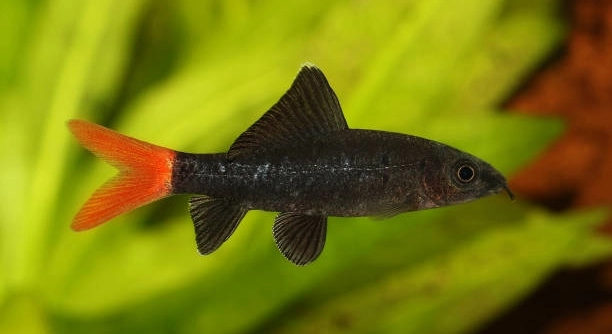
Creating the perfect tank for your rainbow shark requires attention to several important details. These fish have specific needs that help them thrive in a home aquarium. Understanding these needs will improve their health and happiness.
Proper tank size, water conditions, and decoration choices are essential for rainbow sharks. They require ample swimming space, clean water with stable parameters, and hiding spots to reduce stress and encourage natural behavior. Meeting these requirements promotes their well-being.
Knowing what factors affect your rainbow shark’s environment will help you set up an ideal tank. The following tips cover everything you need for a successful and enjoyable aquarium experience.
Tank Size and Space Requirements
Rainbow sharks need enough room to swim freely and stay active. A tank that is at least 40 gallons is recommended for a single rainbow shark. Larger tanks work better if you plan to keep more than one or add other fish. Crowded tanks can cause stress and aggression. Giving your rainbow shark space helps it display natural behaviors and stay healthy. They enjoy swimming near the bottom and exploring the tank, so providing open swimming areas alongside hiding spots is important. Avoid small tanks, as they limit movement and can lead to poor water quality.
A 40-gallon tank provides enough space for one rainbow shark to thrive comfortably.
Keeping the tank clean is easier when you have enough space for good filtration and water circulation. Regular water changes help maintain stable conditions. Along with size, the tank’s shape matters; a longer tank offers more horizontal swimming space, which suits rainbow sharks well. Providing plants and decorations creates a more natural environment and places to hide. This balance of open space and cover reduces stress and keeps your rainbow shark active and content.
Water Conditions and Filtration
Rainbow sharks thrive in clean water with stable temperature and pH levels. Their ideal temperature ranges between 72°F and 79°F, while the pH should be between 6.5 and 7.5. Sudden changes in water parameters can cause stress and illness. A reliable filtration system is necessary to maintain water quality, as these fish produce a fair amount of waste.
Regular testing of water parameters helps catch issues early and prevent problems. Consistent filtration ensures toxins are removed, keeping the water safe for your rainbow shark. Over-filtering can cause strong currents, so choose a system that balances cleanliness and gentle water flow.
Keeping water stable means paying attention to ammonia, nitrite, and nitrate levels. Ammonia and nitrite should always be zero, while nitrates should stay low through regular water changes. Adding live plants can also help improve water quality. Overall, maintaining proper water conditions is key to your rainbow shark’s health and longevity.
Tank Decorations and Hiding Spots
Rainbow sharks need places to hide to feel safe and reduce stress. Adding caves, rocks, or driftwood provides shelter and breaks up the tank visually. Live or artificial plants can also create natural hiding areas. Avoid sharp decorations that might injure your fish.
Decorations should not overcrowd the tank. Leave plenty of open swimming space while providing enough cover. Smooth surfaces are best since rainbow sharks have delicate fins that can tear easily. Creating a balance between open areas and hiding spots supports their natural behavior and comfort. Regularly check decorations for algae or damage to keep the environment healthy.
Plants, whether real or fake, offer shelter and improve tank aesthetics. Live plants help oxygenate the water and absorb some waste, benefiting the overall tank health. Position decorations strategically to create multiple hiding places, especially if you keep more than one rainbow shark. This reduces aggression by giving fish options to claim their own space.
Feeding and Diet
Rainbow sharks are omnivores and need a varied diet for good health. They enjoy high-quality flakes, pellets, and live or frozen foods like bloodworms or brine shrimp. Feeding small amounts two to three times a day works best to avoid overfeeding.
Balanced nutrition supports their vibrant colors and energy levels. Supplementing their diet with vegetables like zucchini or peas provides essential fiber. Avoid foods high in fillers or low-quality ingredients, as these can cause digestive issues. Monitoring feeding habits helps detect early health problems.
Consistency in feeding times keeps rainbow sharks comfortable and reduces stress. Removing uneaten food prevents water pollution. Fresh, varied food choices mimic their natural diet and help maintain their well-being. Proper feeding supports a healthy immune system and lively behavior in the tank.
Tank Mates Compatibility
Rainbow sharks can be territorial, especially with other bottom dwellers. Choose peaceful tank mates that won’t compete aggressively for space. Avoid keeping multiple rainbow sharks together in small tanks to prevent fights.
Good companions include fast-swimming mid and top-level fish like tetras or barbs. Monitor interactions closely to ensure harmony. Proper tank size reduces territorial behavior and stress.
Lighting and Environment
Moderate lighting is best for rainbow sharks. Too much bright light can stress them, while dim lighting helps them feel secure. Use a light timer to keep a consistent day-night cycle, mimicking their natural habitat.
Providing some shaded areas through plants or decorations allows your rainbow shark to retreat when needed. This balance supports their comfort and natural activity patterns.
Regular Maintenance
Frequent water changes are necessary to keep the tank healthy. Changing 20-30% of the water weekly helps maintain stable water quality. Cleaning the substrate and removing debris also prevents waste buildup.
Consistent maintenance reduces the risk of disease and keeps your rainbow shark thriving.
FAQ
How big should my tank be for a rainbow shark?
A minimum of 40 gallons is recommended for one rainbow shark. This size gives enough swimming space and helps keep water quality stable. If you want to keep more than one or add other fish, a larger tank is necessary to reduce territorial behavior and stress.
What water temperature do rainbow sharks need?
They thrive in temperatures between 72°F and 79°F. Keeping the temperature steady within this range is important, as sudden changes can cause stress or illness. Using a reliable heater and thermometer helps maintain stable conditions.
Can rainbow sharks live with other fish?
Yes, but choosing compatible tank mates is key. They do best with peaceful, fast-moving fish that occupy different tank levels, such as tetras or barbs. Avoid housing multiple rainbow sharks together in small tanks, as this can lead to aggression.
What should I feed my rainbow shark?
Rainbow sharks need a balanced diet of high-quality flakes or pellets, along with occasional live or frozen foods like bloodworms or brine shrimp. Including vegetables like peas or zucchini adds fiber and variety. Feeding small amounts two to three times daily prevents overfeeding.
How often should I clean the tank?
Perform weekly water changes of about 20-30% to maintain good water quality. Regularly clean the substrate and remove uneaten food or debris. This routine helps prevent harmful toxin buildup and supports the fish’s health.
Do rainbow sharks need hiding spots?
Yes, they feel safer with places to hide. Use caves, rocks, driftwood, or plants to create shelters. This reduces stress and gives them areas to retreat, especially if there are other fish in the tank.
What water parameters are best for rainbow sharks?
Maintain a pH between 6.5 and 7.5. Ammonia and nitrite levels should always be zero, while nitrates need to stay low through regular water changes. Stable water parameters are essential to prevent health issues.
How bright should the tank lighting be?
Moderate lighting is ideal. Too bright can stress the fish, while too dim may affect their activity. Use a light timer to mimic natural day and night cycles. Providing shaded areas with plants or decorations helps them feel comfortable.
Can rainbow sharks tolerate different water hardness?
They prefer soft to moderately hard water but are fairly adaptable. Keeping water conditions consistent is more important than exact hardness values. Regular testing ensures parameters stay within a safe range.
How long do rainbow sharks live?
With proper care, they can live between 5 to 8 years. Good tank conditions, proper feeding, and regular maintenance all contribute to a longer, healthier life.
Why is my rainbow shark hiding all the time?
Hiding often indicates stress, illness, or unsuitable tank conditions. Check water quality, tank mates, and decorations. Ensure the temperature is correct and provide plenty of hiding spots to help your fish feel secure.
What causes rainbow sharks to become aggressive?
Aggression usually comes from overcrowding, small tank size, or incompatible tank mates. Territorial disputes can increase if there isn’t enough space or hiding places. Adjusting tank size, adding decorations, or changing companions can reduce aggression.
Is it necessary to use a water conditioner?
Yes, always treat tap water with a water conditioner before adding it to the tank. This removes harmful chlorine, chloramine, and heavy metals that can harm your fish.
Can rainbow sharks live in a planted tank?
They do well in planted tanks with sturdy plants. Plants provide shelter and help improve water quality. Choose species that tolerate their activity, as rainbow sharks may occasionally nibble on delicate plants.
How often should I test my aquarium water?
Test water weekly for ammonia, nitrite, nitrate, pH, and temperature. Frequent checks help catch problems early and keep conditions stable for your rainbow shark’s health.
This FAQ covers common concerns about caring for rainbow sharks. Following these guidelines will help your fish thrive in a well-maintained tank.
Creating the perfect tank for your rainbow shark takes some effort, but it is well worth it. These fish have specific needs that, when met, allow them to live healthy and active lives. A tank that is large enough, with stable water conditions and proper filtration, forms the foundation of their care. Decorations and hiding spots help reduce stress and encourage natural behavior, making the environment comfortable. Feeding a balanced diet and choosing the right tank mates also contribute to their well-being. Paying attention to these basic needs can prevent many common problems and ensure your rainbow shark thrives.
Maintaining a clean and stable tank is essential for long-term success. Regular water testing and weekly water changes keep harmful toxins under control. Consistent temperature and lighting support the fish’s natural rhythms and health. It is important to avoid overcrowding and aggressive tank mates that can cause stress or injury. Even small details, like using smooth decorations to protect delicate fins and providing enough swimming space, improve the overall quality of life for your rainbow shark. These simple but important steps can make a big difference in how happy and healthy your fish will be.
Owning a rainbow shark can be rewarding when you understand and meet its needs. They are lively and beautiful fish that respond well to good care. Setting up the right tank environment and sticking to regular maintenance routines helps avoid health issues. Watching your rainbow shark swim actively and display natural behavior is satisfying and shows that your effort is paying off. With patience and attention to detail, you can create a balanced aquarium that supports the long-term happiness of your rainbow shark.

Hello,
If you enjoy the content that we create, please consider saying a "Thank You!" by leaving a tip.
Every little bit helps us continue crafting quality advice that supports the health, happiness, and well-being of pets around the world, for pets of all shapes, sizes, and species.
We really appreciate the kindness and support that you show us!