
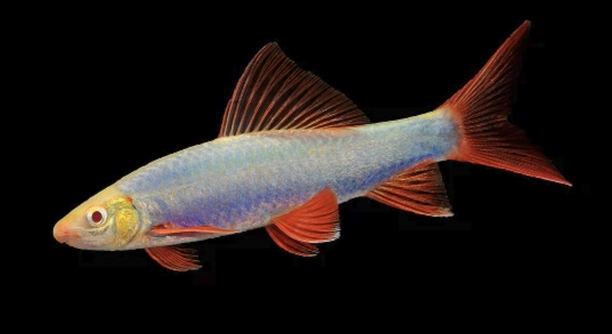
Rainbow sharks are popular aquarium fish known for their striking colors and active behavior. Many fish owners want their rainbow sharks to be more social and peaceful with tank mates. Improving their social skills can create a calmer and friendlier environment.
Enhancing a rainbow shark’s socialization involves providing adequate space, maintaining proper tank conditions, and introducing companions gradually. Consistent feeding routines and minimizing stress help rainbow sharks interact more comfortably, promoting coexistence and reducing aggressive behavior.
These practical tips will help you create a balanced community tank where your rainbow shark feels secure and more sociable. Understanding their needs is key to fostering harmony in your aquarium.
Provide Adequate Space for Your Rainbow Shark
Rainbow sharks need enough room to swim freely and establish their territory. A cramped tank can increase stress and aggression. Ideally, a tank of at least 30 gallons is recommended for one rainbow shark. If you plan to keep more, increase the size accordingly. Providing plenty of hiding spots like plants and decorations helps them feel safe. When they have personal space, they are less likely to act out aggressively. Avoid overcrowding, as too many fish can create tension and disrupt social behavior. Keeping water clean and stable also supports their well-being. It may take some time for your shark to adjust to a new environment, but patience will pay off. Watching them explore their space calmly is a good sign of comfort and improved social skills.
Proper tank size reduces stress, allowing rainbow sharks to socialize more peacefully and interact positively with other fish.
Creating a spacious, well-decorated habitat makes your rainbow shark more confident. They can claim their own territory without constant competition. Hiding places reduce stress by offering refuge from more dominant tank mates. Regular cleaning keeps the water quality high, preventing irritations that can cause aggression. When conditions are right, rainbow sharks are less territorial and more willing to share their space. This leads to a more balanced tank where all fish can thrive.
Introduce Tank Mates Gradually
Adding new fish slowly helps rainbow sharks get used to others without feeling threatened. Start with compatible species that have similar temperaments. Sudden introductions often cause stress and fighting. Quarantine new fish before adding them to avoid disease. Observe interactions closely and separate any aggressive individuals. Gradual introductions give your rainbow shark time to accept others as part of their environment. This process reduces territorial disputes and promotes peaceful cohabitation.
Take your time when adding fish to maintain harmony in the tank and support your rainbow shark’s social growth.
Start by rearranging decorations to break up established territories, then add one new fish at a time. Watch how your rainbow shark reacts, giving it days or weeks to adjust before adding more companions. Choose peaceful fish that won’t compete aggressively for food or space. Avoid flashy or fast swimmers that might provoke your shark. Consistent feeding times and calm water conditions help reduce stress. By introducing new tank mates carefully, you encourage your rainbow shark to interact calmly and build social bonds. This slow, controlled approach helps create a stable community where fish coexist with less conflict.
Maintain a Consistent Feeding Schedule
A regular feeding schedule helps rainbow sharks feel secure and less competitive. Feeding at the same times daily reduces stress and aggression linked to hunger. It also creates a predictable routine that supports their social behavior.
Feeding your rainbow shark consistently prevents food-related disputes in the tank. When fish know when to expect food, they are calmer and less likely to compete aggressively. Using sinking pellets or wafers designed for bottom dwellers ensures your shark gets its share. Avoid overfeeding, as leftover food can pollute the water and cause health issues. Offering a balanced diet with occasional live or frozen treats helps keep your rainbow shark healthy and satisfied. This stability improves their willingness to share space and reduces territorial conflicts.
Keeping to a strict feeding routine also helps you monitor your fish’s health more easily. Changes in appetite often indicate stress or illness, so knowing their usual behavior is important. Providing food at consistent times also trains your shark to come out and interact more, increasing its socialization with tank mates. When all fish are fed well and on time, it promotes a peaceful environment where rainbow sharks feel secure and more sociable.
Minimize Stress in the Tank
Stress weakens your rainbow shark’s immune system and worsens aggressive behavior. Keeping water parameters stable and avoiding sudden changes helps reduce stress. A calm environment encourages better social interactions.
To lower stress, maintain proper water temperature, pH, and cleanliness. Avoid loud noises and excessive movement around the tank, which can frighten your fish. Use gentle lighting and ensure the tank has plenty of hiding spots. Regular monitoring and gentle handling during tank maintenance reduce stress further. When your rainbow shark feels safe and comfortable, it is more likely to coexist peacefully with other fish, improving overall tank harmony.
Monitor Water Quality Regularly
Clean water is essential for your rainbow shark’s health and social behavior. Poor water quality can cause stress and aggression, so testing parameters frequently is important. Regular water changes help maintain a stable environment.
Keeping ammonia, nitrite, and nitrate levels low prevents health issues. Use a reliable test kit to check water conditions weekly. Replace 20-30% of the tank water every one to two weeks to keep the environment fresh. Clean filters and remove uneaten food to avoid buildup. Stable water quality reduces stress and encourages peaceful interactions.
Use Environmental Enrichment
Adding plants, rocks, and hiding spots provides stimulation and safety. A well-decorated tank encourages natural behaviors and reduces boredom.
Environmental enrichment breaks up territories, which helps lower aggression. Your rainbow shark will feel more secure and less likely to act out.
Handle Your Rainbow Shark Gently
Minimize handling to avoid causing stress. When necessary, use soft nets and move slowly to keep your fish calm.
FAQ
How do I know if my rainbow shark is stressed?
Signs of stress include hiding more than usual, loss of appetite, erratic swimming, or color fading. Aggression toward other fish can also be a sign. Watch for these behaviors, as early detection helps prevent health problems and improves socialization.
Can rainbow sharks live with other fish?
Yes, but tank mates should be chosen carefully. Avoid small, slow-moving fish that may be bullied. Ideal companions are similarly sized, peaceful species that do not compete aggressively for food or territory. Introducing tank mates gradually also helps.
What is the ideal tank size for a rainbow shark?
A minimum of 30 gallons is recommended for one rainbow shark. Larger tanks are better if you want to keep more than one or add other fish. More space reduces territorial behavior and supports social interaction.
How often should I feed my rainbow shark?
Feed once or twice daily with a balanced diet, including sinking pellets and occasional live or frozen foods. Avoid overfeeding to maintain water quality and prevent health issues.
Why is my rainbow shark acting aggressively?
Aggression can stem from overcrowding, insufficient hiding places, poor water quality, or sudden changes in the tank. Providing space, hiding spots, and stable conditions helps reduce aggression and improves social behavior.
What should I do if my rainbow shark attacks other fish?
First, check tank size and environment. Add more hiding spots and reduce overcrowding. Try rearranging decorations to break up established territories. If aggression continues, consider separating the aggressive fish to protect others.
How do I introduce new fish to a tank with a rainbow shark?
Introduce new fish slowly, after quarantining them to avoid diseases. Rearrange decorations before adding new fish to reset territories. Add one fish at a time, watching interactions carefully to prevent conflicts.
Can rainbow sharks live in community tanks?
Yes, if the community is well-planned. Choose compatible fish that tolerate similar water conditions and temperaments. Maintain good tank size, stable water parameters, and regular feeding schedules to keep peace.
How often should I clean the tank to keep my rainbow shark healthy?
Perform partial water changes of 20-30% every one to two weeks. Clean filters regularly but avoid complete cleaning that disrupts beneficial bacteria. Consistent maintenance helps keep water quality high, reducing stress and aggression.
What kind of hiding spots are best for rainbow sharks?
Use live or artificial plants, rocks, caves, and driftwood. These provide shelter and break up territories, giving your fish places to retreat. This reduces stress and aggressive behavior by creating a more natural and comfortable environment.
Final Thoughts
Helping your rainbow shark improve its social skills takes time and attention. Creating the right environment is essential. This means giving your fish enough space to swim and explore without feeling crowded. A tank that is too small can cause stress and make your shark more aggressive. Adding hiding spots like plants and decorations also helps. These allow your fish to have personal areas where it feels safe. When your rainbow shark feels secure, it will be more willing to interact peacefully with other fish in the tank.
Maintaining good water quality is just as important. Regular water changes and testing keep the environment stable and healthy. Poor water conditions can cause stress and illness, which affects your fish’s behavior. Feeding your rainbow shark on a consistent schedule with proper food also supports its well-being. When all these factors come together, your rainbow shark is less likely to act out aggressively and more likely to show calm, social behavior. Introducing new tank mates slowly and choosing compatible species also improves harmony in the tank.
Overall, patience and care are key when working on your rainbow shark’s socialization. It may take weeks or months to see real changes, but small improvements add up. By paying attention to your fish’s needs and adjusting their environment, you can help your rainbow shark become more comfortable and peaceful. This will create a better experience not only for your fish but for you as well. A balanced tank with happy, social fish is a rewarding sight to enjoy every day.

Hello,
If you enjoy the content that we create, please consider saying a "Thank You!" by leaving a tip.
Every little bit helps us continue crafting quality advice that supports the health, happiness, and well-being of pets around the world, for pets of all shapes, sizes, and species.
We really appreciate the kindness and support that you show us!