
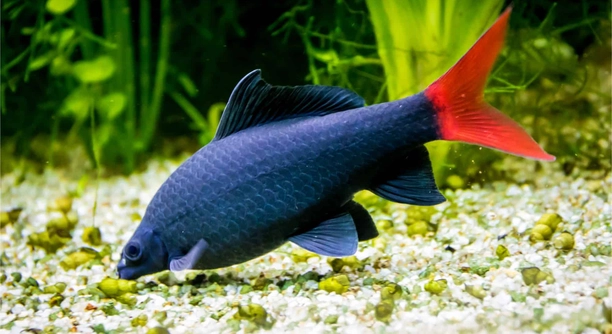
Your rainbow shark is a lively and colorful fish that needs proper care to stay healthy. Sometimes, they may show signs that they need more attention and interaction from their owner. Recognizing these signs early helps keep your fish happy.
Rainbow sharks require regular interaction to prevent stress and promote natural behavior. Lack of stimulation can lead to hiding, aggression, or reduced activity, indicating that their social and environmental needs are not being met properly.
Noticing these signs will help you improve your fish’s environment and strengthen your connection with your rainbow shark.
Changes in Activity Levels
When a rainbow shark starts swimming less or hides most of the time, it may be asking for more interaction. These fish are naturally active and enjoy exploring their tank. A sudden drop in activity can mean boredom or stress. They might retreat to corners or stay still near decorations, which is not normal behavior. Keeping your rainbow shark mentally engaged is important to keep it lively. You can introduce gentle tank changes or rearrange decorations to stimulate curiosity. Interacting during feeding times or adding new elements can also encourage movement. If the fish is constantly inactive, it’s a clear sign that more attention is needed. Watching your fish daily helps you notice these subtle behavior changes before they affect its health.
Reduced activity is often a response to a lack of stimulation in the tank environment.
Offering new stimulation and interaction can help your rainbow shark regain its natural energy and improve its overall well-being.
Aggressive Behavior Towards Tank Mates
Aggression can be a sign your rainbow shark needs more interaction or space. Rainbow sharks sometimes become territorial, but frequent attacks on other fish may mean they feel neglected or bored. This behavior can stress out all the fish in your tank. It’s important to observe how your rainbow shark behaves with others. If aggression increases, it could mean your fish needs more attention or changes in its environment. Adjusting tank layout or providing hiding spots can reduce tension. Spending time near the tank, feeding, or gently engaging your fish can lessen aggressive actions. Sometimes, adding more compatible fish to the tank can also help balance social interactions. Managing these behaviors early prevents harm to your rainbow shark and other fish, ensuring a peaceful tank community.
Loss of Appetite
A rainbow shark that suddenly stops eating or shows less interest in food may be signaling a need for more interaction. Appetite changes often reflect stress or boredom.
When your fish loses interest in food, it can be a sign of discomfort in its environment. Lack of stimulation or social interaction may cause it to withdraw. Offering varied food types and feeding at regular times can help. Engaging your fish with gentle movement around the tank or adding natural hiding spots encourages activity and interest in feeding. Monitoring these changes closely helps prevent more serious health issues linked to stress or neglect.
Improving tank conditions and increasing interaction often restores a healthy appetite. This supports your fish’s energy and overall health, ensuring it stays active and happy.
Frequent Hiding
Rainbow sharks that spend most of their time hiding may need more attention. Excessive hiding shows they might feel unsafe or lonely.
When your rainbow shark hides constantly, it usually means it is stressed or bored. This behavior reduces its chance to explore and interact, which is important for its well-being. The tank might be missing stimulating elements, or your fish could feel threatened by other tank mates. Adding plants or decorations can create safe spaces, making your fish feel more secure. Spending more time near the tank and gentle interaction can build trust and reduce hiding. Ensuring a balanced tank environment and offering attention keeps your rainbow shark more confident and active.
Restlessness and Erratic Swimming
Restlessness in your rainbow shark can show it needs more interaction. Erratic swimming or sudden darting may signal stress or boredom.
This behavior often occurs when the fish lacks stimulation. The tank environment might be too dull or overcrowded, causing discomfort. Improving the space and engaging more with your fish can reduce restlessness and promote calm behavior.
Lack of Color Vibrancy
A dull or faded color in a rainbow shark can mean poor health or low stimulation. Vibrant colors usually indicate a happy, well-cared-for fish.
Regular interaction and a clean environment help maintain bright coloration. Stress from isolation or boredom can dull the fish’s colors, so addressing these issues supports its overall appearance.
Avoidance of Owner
When a rainbow shark avoids your presence, it may feel neglected or stressed. This behavior shows a lack of connection.
Increasing interaction gently encourages your fish to become more comfortable around you. Consistent, calm engagement builds trust and reduces avoidance over time.
How often should I interact with my rainbow shark?
Interacting with your rainbow shark regularly helps keep it healthy and active. Aim for daily interaction during feeding or when you check the tank. Spending even a few minutes each day observing and gently engaging your fish can make a big difference. Consistent interaction reduces stress and encourages natural behaviors. Avoid sudden movements or loud noises that may scare your fish. Over time, your rainbow shark will become more comfortable with your presence, making it easier to spot any changes in behavior or health.
What are simple ways to increase interaction with my rainbow shark?
You can increase interaction by adding new decorations or plants to the tank, which encourages exploration. Feeding at the same time daily helps build routine and trust. Moving slowly around the tank while your fish is awake can also stimulate curiosity. Introducing gentle light changes or rearranging objects can keep the environment fresh. Avoid overcrowding the tank, as too many fish can cause stress. Offering varied food and watching how your rainbow shark reacts will strengthen your connection. These small changes create a more engaging habitat for your fish.
Can lack of interaction affect my rainbow shark’s health?
Yes, insufficient interaction can lead to stress, boredom, and weakened immune response in rainbow sharks. Stress may cause hiding, loss of appetite, or aggressive behavior. Over time, these signs can lead to illness. Rainbow sharks are active fish that need stimulation to maintain normal behavior and health. Providing a well-arranged tank and gentle engagement supports their physical and mental well-being. Regular attention helps prevent behavioral problems and ensures your fish lives a longer, healthier life.
Why is my rainbow shark hiding all the time?
Constant hiding usually means your fish feels unsafe or stressed. It could be caused by aggressive tank mates, poor tank setup, or lack of stimulation. Hiding reduces interaction and activity, which harms your fish’s health. Adding plants or caves can offer safe spots but don’t rely only on hiding places. Improving tank conditions, providing enough space, and spending time near the tank gently interacting can help your rainbow shark feel more secure and reduce hiding behavior.
What should I do if my rainbow shark is aggressive?
Aggression is often linked to boredom, stress, or territorial behavior. Make sure your tank is large enough with enough hiding places. Sometimes, rearranging decorations can help break up territories. Increasing your interaction with the fish, through feeding routines or tank observation, can reduce stress-induced aggression. Avoid overcrowding the tank and choose compatible fish species. If aggression continues, consider separating your rainbow shark temporarily until it calms down. Monitoring behavior closely helps maintain peace in the tank.
How can I tell if my rainbow shark is stressed?
Signs of stress include erratic swimming, loss of appetite, hiding, dull colors, and aggression. These behaviors suggest the fish is uncomfortable or bored. Stress may be caused by poor water quality, aggressive tank mates, or lack of interaction. Regular water checks and maintaining a clean environment are essential. Providing stimulation through tank changes and gentle interaction helps reduce stress. Watching for these signs allows early intervention before health problems develop.
Is it normal for a rainbow shark to avoid me sometimes?
Yes, it’s normal for your fish to keep distance occasionally, especially if it feels nervous or unfamiliar with you. Rainbow sharks can be shy or cautious. Building trust takes time through regular, calm interaction. Avoid sudden movements or tapping on the tank, as these can frighten the fish. Spending quiet moments near the tank encourages your rainbow shark to come closer. Over time, it may start to recognize your presence as safe and seek interaction.
What are the best tank conditions to keep my rainbow shark happy?
A tank of at least 30 gallons with clean, well-filtered water is ideal. Rainbow sharks prefer hiding spots, smooth decorations, and open swimming areas. Water temperature should be between 72-79°F, with stable pH around 6.5-7.5. Proper lighting and a balanced diet help maintain health. Keeping tank mates peaceful and compatible prevents stress and aggression. Regular maintenance and interaction ensure your rainbow shark remains active and engaged. A well-kept environment is the foundation for happy, healthy fish.
Taking good care of your rainbow shark means paying attention to its behavior and needs. These fish are active and curious by nature, so they need regular interaction and a stimulating environment. When they don’t get enough attention, they may start showing signs like hiding too much, losing appetite, or acting restless. Recognizing these signs early helps you make changes that improve your fish’s life. Making sure your rainbow shark feels safe and engaged is key to its health and happiness.
Interaction with your fish doesn’t have to be complicated. Simple actions like feeding on a schedule, gently moving around the tank, or adding new decorations can make a big difference. Rainbow sharks enjoy exploring their surroundings, so rearranging plants or hiding spots can keep them interested. Watching how your fish reacts to these changes can help you understand what it needs. Spending time near the tank and offering variety in food also builds trust. When your rainbow shark feels comfortable, it is more likely to swim actively and show its true colors.
Finally, maintaining a clean, well-set-up tank is just as important as interaction. Stable water conditions, enough space, and compatible tank mates all contribute to your fish’s well-being. Stress from poor environment or crowding can cause many problems, so regular tank maintenance and monitoring water quality should not be overlooked. Combining good tank care with attention and interaction helps your rainbow shark thrive. Paying attention to these details ensures your fish stays healthy and brings enjoyment for a long time.

Hello,
If you enjoy the content that we create, please consider saying a "Thank You!" by leaving a tip.
Every little bit helps us continue crafting quality advice that supports the health, happiness, and well-being of pets around the world, for pets of all shapes, sizes, and species.
We really appreciate the kindness and support that you show us!