
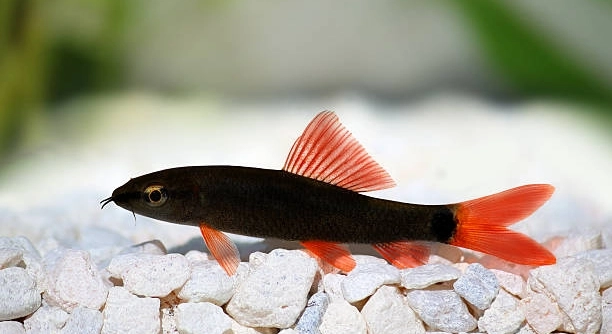
Many aquarium owners enjoy keeping rainbow sharks for their lively colors and active nature. When these fish move to a new tank, they often face stress from different water and surroundings. Helping them adjust well is important for their health and happiness.
To help your rainbow shark adapt to new tank conditions, it is essential to gradually introduce changes, maintain stable water parameters, provide hiding spots, ensure proper diet, and monitor behavior closely to reduce stress and promote acclimation.
Following these steps can make a big difference in your fish’s well-being and create a peaceful environment for it to thrive.
Gradual Acclimation to New Water Conditions
When introducing a rainbow shark to a new tank, sudden changes can cause a lot of stress. It is best to slowly adjust the fish to the new environment. Start by floating the bag with the fish in the new tank water for about 15 to 20 minutes. This helps the temperature inside the bag match the tank’s temperature. Next, add small amounts of tank water into the bag every 10 minutes. This gradual mixing allows the fish to get used to different water chemistry without shock. After about an hour, you can gently release the fish into the tank. This careful process reduces the chances of illness and helps the rainbow shark feel safer as it moves into its new home.
Taking time to acclimate the fish properly improves its chances of settling in smoothly. Rushing this step can lead to stress or health problems.
Careful acclimation helps protect your rainbow shark from sudden environmental shocks, setting the stage for better adjustment.
Maintain Stable Water Parameters
Keeping the water clean and stable is key for your rainbow shark’s health. Sudden changes in temperature, pH, or hardness can cause discomfort. Use a reliable heater and thermometer to keep the temperature steady, ideally between 74 and 80°F. Test the water regularly for ammonia, nitrites, and nitrates to avoid toxic buildup. Keep pH levels in the range of 6.5 to 7.5. Frequent partial water changes—about 20% weekly—help maintain water quality. A good filtration system also keeps the tank environment balanced. When water conditions stay steady, your rainbow shark will feel more secure and less stressed.
Provide Hiding Spots and Decorations
Rainbow sharks appreciate places where they can hide and feel safe. Adding decorations such as rocks, driftwood, and plants creates natural shelters. These spots help reduce stress, especially during the early days in the new tank. Fish often use hiding places to rest or escape bright lights and other fish. If the tank looks empty, your rainbow shark might become anxious or aggressive. Arrange decorations to give enough open swimming space while offering several hiding spots. Live plants or artificial ones can also soften the tank’s look and improve water quality. Watching your fish explore and settle near these areas is a good sign they are adapting well.
Hiding spots promote natural behavior and lower stress levels, making your tank more comfortable for your rainbow shark.
Monitor Your Rainbow Shark’s Behavior
Keep a close eye on your rainbow shark during the first few days in the new tank. Watch for signs of stress such as hiding constantly, loss of appetite, or erratic swimming. Early detection helps prevent serious health problems.
If you notice your fish acting unusually, it might be stressed or adjusting slowly. Sometimes they may hide more than usual or stay near the surface. Make sure the water conditions are stable and the tank environment is peaceful. Avoid sudden movements around the tank that could frighten your fish. If the behavior continues, test water quality and consider adjusting lighting or tank mates to reduce stress.
Regular observation helps you understand your fish’s comfort level. This care allows you to make changes before problems grow worse, ensuring a smooth adjustment period for your rainbow shark.
Provide a Balanced Diet
A healthy diet is important for your rainbow shark’s well-being and adjustment. Offer a variety of foods such as high-quality pellets, flakes, and occasional live or frozen foods like bloodworms or brine shrimp. This variety helps provide essential nutrients.
Feed small amounts two to three times a day rather than one large feeding. Overfeeding can cause water quality issues and stress the fish. If your rainbow shark is not eating well after moving, try offering different foods or feeding during quieter times when the tank is calm. Fresh, nutritious food supports the immune system and encourages recovery.
Balanced nutrition strengthens your rainbow shark and helps it adapt to new surroundings more quickly. It also promotes vibrant color and active behavior.
Maintain Proper Tank Size
Rainbow sharks need enough space to swim freely. A tank of at least 30 gallons is recommended to prevent stress and territorial behavior. Crowded tanks can lead to aggression and poor health.
Providing enough room allows your fish to explore and settle comfortably. Overcrowding increases competition for food and hiding spots, which can cause tension.
Keep Compatible Tank Mates
Choose peaceful fish that can coexist with rainbow sharks. Avoid aggressive or very small species that might be bullied. Good companions include larger tetras, barbs, and gouramis.
Compatible tank mates help reduce stress and create a balanced environment. Always observe interactions and be ready to separate fish if problems arise.
Regular Tank Maintenance
Perform regular water changes and clean the tank to keep the environment healthy. This helps prevent toxin buildup and keeps your rainbow shark comfortable and safe.
Consistent maintenance supports stable water conditions, which are crucial for the well-being of your fish.
FAQ
How long does it take for a rainbow shark to adjust to a new tank?
Rainbow sharks usually take about one to two weeks to fully adjust to a new tank. During this time, they may show signs of stress such as hiding or reduced appetite. Providing stable water conditions and a calm environment can help speed up their adjustment.
What water temperature is best for rainbow sharks?
The ideal temperature range for rainbow sharks is between 74°F and 80°F (23°C to 27°C). Keeping the water within this range helps maintain their metabolism and immune system, promoting better health and reducing stress.
Can rainbow sharks live with other fish?
Yes, rainbow sharks can live with other fish, but tank mates should be chosen carefully. They prefer peaceful or moderately active fish that are not too small or aggressive. Avoid keeping them with very small or slow-moving fish that might get bullied.
How often should I feed my rainbow shark?
Feeding your rainbow shark two to three times a day with small portions is best. Overfeeding can harm water quality and cause health problems. If your fish isn’t eating well at first, try offering a variety of foods and feeding during quieter times.
What should I do if my rainbow shark hides all the time?
Hiding is normal when a rainbow shark is adjusting, but constant hiding could mean stress or poor tank conditions. Check water quality, temperature, and tank mates. Ensure there are enough hiding spots but also open areas for swimming.
How can I tell if my rainbow shark is stressed?
Signs of stress include hiding for long periods, erratic swimming, loss of appetite, and faded color. If you notice these behaviors, check water parameters and consider if the tank environment is too noisy or crowded.
Is it necessary to use a heater in the tank?
Yes, a heater is important to keep the water temperature stable. Rainbow sharks are tropical fish and need consistent warmth. Sudden temperature changes can cause illness or stress.
What kind of decorations are best for rainbow sharks?
Provide rocks, driftwood, and plants to create hiding places. Rainbow sharks like to explore and rest in sheltered spots. Avoid sharp decorations that might injure them.
How do I prevent aggression among rainbow sharks?
Ensure the tank is large enough and provide plenty of hiding spots. Avoid keeping multiple rainbow sharks in a small tank, as they can be territorial and aggressive toward each other.
Can I use tap water for my rainbow shark’s tank?
Tap water is fine if properly treated to remove chlorine and chloramine. Use a water conditioner before adding water to the tank. Testing water parameters regularly ensures a safe environment.
What do I do if my rainbow shark stops eating?
Loss of appetite can be due to stress or illness. Check water quality, temperature, and tank mates. Try offering live or frozen foods to entice feeding. If the problem continues, consult an aquarium specialist.
How important is filtration for a rainbow shark tank?
Filtration is very important to keep the water clean and oxygenated. A good filter removes waste and helps maintain stable water conditions, which supports the health of your rainbow shark.
Can rainbow sharks live in a community tank?
Yes, but community tanks need careful planning. Make sure other fish are not aggressive or overly shy. Provide enough space and hiding spots for all species to reduce stress and conflicts.
How often should I change the water?
Regular partial water changes, about 20% each week, help maintain good water quality. This reduces harmful chemicals and keeps your rainbow shark healthy and comfortable.
What signs show that my rainbow shark is healthy?
Healthy rainbow sharks are active, have bright colors, and show regular eating habits. They explore the tank and interact normally with their environment.
These common questions cover the basics of helping your rainbow shark adjust well. Taking simple, consistent care steps supports your fish’s health and happiness in its new home.
Helping your rainbow shark adjust to a new tank takes time and attention. Each fish is different, and some may settle faster than others. Patience is important during this period. By keeping the water stable and clean, offering a good diet, and creating a comfortable environment with hiding spots, you give your fish the best chance to feel safe and healthy. Small changes made carefully can make a big difference in how your rainbow shark adapts.
It is natural for rainbow sharks to show some stress when they move to a new tank. They may hide more or swim less at first. This behavior usually improves with good care. Watching your fish closely will help you notice any problems early. If you see signs of illness or persistent stress, checking water quality and tank conditions is a good place to start. Sometimes minor adjustments can prevent bigger health issues later. Remember that your fish relies on a stable environment to thrive.
Keeping a rainbow shark happy in a new tank is about creating balance. The right tank size, proper water parameters, compatible tank mates, and a nutritious diet all work together. With time and consistent care, your fish will become more comfortable and active. Enjoy watching your rainbow shark explore and show its natural behavior as it grows more confident in its home. This ongoing attention helps build a strong foundation for a healthy and long life.

Hello,
If you enjoy the content that we create, please consider saying a "Thank You!" by leaving a tip.
Every little bit helps us continue crafting quality advice that supports the health, happiness, and well-being of pets around the world, for pets of all shapes, sizes, and species.
We really appreciate the kindness and support that you show us!