
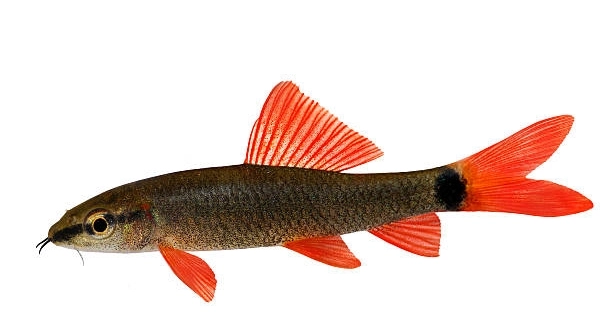
Are your rainbow shark’s moods affecting the overall peace in your aquarium? A stressful environment can lead to aggressive behavior and health issues in these vibrant freshwater fish.
The key to creating a happy environment for your rainbow shark lies in maintaining proper tank conditions, offering hiding spaces, and minimizing territorial stress. These factors support both physical health and emotional well-being, helping the fish thrive.
From choosing the right tank mates to setting up a peaceful habitat, each tip plays a role in keeping your rainbow shark content and stress-free.
Choose the Right Tank Size
Rainbow sharks are active and territorial, so they need enough room to swim and establish space. A tank that is too small can increase stress and lead to aggressive behavior. A 55-gallon tank is a good starting point for one adult rainbow shark. This size helps prevent territory issues and gives them enough space to move freely. A long tank is better than a tall one since rainbow sharks like to swim along the bottom. It’s important to avoid overstocking, especially with other bottom dwellers, as it can cause unnecessary tension. Having a spacious environment makes a big difference in how your rainbow shark behaves. It helps them feel secure and more relaxed. Adding a secure lid is also a smart idea since they can sometimes jump. A roomy, quiet tank supports a peaceful environment and lowers the risk of conflict with other fish.
A larger tank also allows for more decorations and hiding places, which are important for creating safe zones.
Keeping the water clean and stable is just as important as tank size. With more space, it’s easier to maintain better water quality. You can also add more plants, driftwood, and rocks without making the tank feel crowded. These additions give your rainbow shark more options to explore or retreat to when they need space. When the tank is large enough and well-planned, it reduces the chance of stress and fights between fish. It also gives you more flexibility when choosing other tank mates. Starting with the right size tank is one of the best things you can do to support your rainbow shark’s health and happiness. It sets the foundation for a calm and stable environment that benefits everyone in the aquarium.
Add Plenty of Hiding Spaces
Rainbow sharks like having private spots. These hiding spaces help them feel secure and less aggressive toward other fish in the tank.
Use driftwood, caves, large rocks, or decorations that allow your rainbow shark to retreat when they feel stressed. It’s important to place these items in different parts of the tank, so your fish has multiple options. Natural items like smooth stones and plants can create barriers, making the tank feel less open and more comfortable for them. Artificial decorations can work too, as long as they don’t have sharp edges that could hurt your fish. Live plants also help break up sight lines and reduce the chances of your rainbow shark chasing other fish. Even though they are often active and visible, rainbow sharks appreciate having quiet, shaded places to rest. Giving them these spots will help lower their anxiety and make the tank more peaceful for all the fish living there.
Maintain Stable Water Conditions
Stable water keeps your rainbow shark healthy and less stressed. Sudden changes in temperature, pH, or ammonia levels can cause them to become sick or aggressive. Keep everything consistent to support a calm and balanced tank environment.
Use a reliable heater and thermometer to keep the temperature between 72–79°F. Test the water weekly to monitor ammonia, nitrites, nitrates, and pH. Rainbow sharks prefer a pH around 6.5 to 7.5. Use a filter that keeps the water clean without creating strong currents. Avoid overfeeding, as leftover food can cause spikes in ammonia. Perform partial water changes weekly—about 25% of the tank volume—to remove waste and refresh the water. If your tap water has chlorine or other additives, use a water conditioner. Clean the substrate regularly to prevent buildup of uneaten food and waste. A clean, stable tank helps your rainbow shark stay healthy and behave more peacefully.
A sudden shift in conditions can confuse or alarm your rainbow shark. They may react by hiding, losing color, or becoming aggressive. Even subtle changes in water chemistry can affect their behavior. If you notice your fish acting differently, check the water first. Tools like liquid test kits are more accurate than strips and worth keeping on hand. If levels are off, make small, gradual changes rather than large adjustments all at once. When your rainbow shark feels secure in their environment, they’ll be more active and display better colors. Consistency is key—it’s not just about hitting the right numbers, but keeping them steady over time. Reliable routines make a big difference in how your rainbow shark feels day to day.
Avoid Aggressive Tank Mates
Rainbow sharks are known to be territorial, especially with fish that swim near the bottom or look similar to them. Peaceful tank mates that stay in other areas of the tank help reduce the chance of fights or stress.
Avoid keeping other rainbow sharks or similar species like red tail sharks and bala sharks in the same tank. These fish can trigger territorial behavior and aggressive chasing. Instead, go with mid to top-level swimmers that are calm and fast enough to avoid trouble. Good choices include barbs, danios, and gouramis, as long as they’re not too small to be seen as food. Bottom dwellers like corydoras and loaches should be avoided, especially in smaller tanks. Too many fish can also cause crowding, which adds tension. Keep the number of tank mates balanced to allow space for everyone. Choosing tank mates wisely makes your rainbow shark feel less threatened and helps them stay calm.
Feed a Balanced Diet
Rainbow sharks need a mix of high-quality pellets, flakes, and frozen foods like bloodworms or brine shrimp. A varied diet keeps them healthy and supports their immune system. Avoid overfeeding, as leftover food can quickly affect water quality.
Feed once or twice a day in small portions they can finish within two minutes. Too much food can cause bloating and stress. Make sure the food sinks slowly so they have time to reach it. Providing the right diet keeps your rainbow shark active and strong.
Limit Bright Lighting and Noise
Bright lights and constant noise can make your rainbow shark feel unsafe. Use dimmer lighting or add floating plants to soften the brightness. Keep the tank away from loud areas or heavy foot traffic.
Reducing stress helps your rainbow shark stay calm. A quiet, shaded space supports better behavior and rest.
Monitor Behavior Regularly
Watch for changes like hiding, darting, or loss of color. These signs may mean your rainbow shark is stressed or unwell. Catching problems early helps you make adjustments before they become serious.
FAQ
How often should I feed my rainbow shark?
Feeding your rainbow shark once or twice a day is enough. Give small amounts that they can finish within two minutes. Overfeeding can lead to poor water quality and health problems like bloating. A balanced feeding schedule helps maintain their energy and color.
What is the ideal tank size for a rainbow shark?
A tank of at least 55 gallons is recommended for one adult rainbow shark. They are active swimmers and need space to establish their territory. Larger tanks help reduce aggression and stress, making the environment calmer and healthier.
Can rainbow sharks live with other fish?
Yes, but tank mates should be peaceful and swim in different areas of the tank. Avoid other bottom dwellers or similar species that may cause territorial fights. Barbs, danios, and gouramis are good choices, provided the tank is large enough.
What water parameters are best for rainbow sharks?
Keep the water temperature between 72 and 79°F. The pH should be stable, ideally between 6.5 and 7.5. Regularly test ammonia, nitrites, and nitrates to ensure they remain low. Using a reliable filter and performing weekly water changes help maintain these conditions.
Why does my rainbow shark hide a lot?
Hiding is normal if the tank has enough places to retreat. It can also mean stress from aggressive tank mates, poor water quality, or sudden changes in the environment. Make sure the tank has plenty of hiding spots and stable conditions.
How can I reduce aggression in my rainbow shark?
Providing a large enough tank with many hiding spots is key. Avoid overcrowding and aggressive or similar-looking fish. Keeping stable water conditions and feeding properly also lowers stress and territorial behavior.
What should I do if my rainbow shark loses color?
Loss of color often signals stress or illness. Check water quality and tank mates first. Make sure the temperature and pH are stable. Improve diet with varied foods and reduce stress factors like bright lights or loud noises.
Can rainbow sharks jump out of the tank?
Yes, rainbow sharks can jump, especially if stressed or startled. Always use a secure lid to prevent accidents. Providing enough space and hiding areas reduces their need to escape.
How do I introduce a rainbow shark to a new tank?
Acclimate slowly by floating the bag in the tank water for 15–20 minutes to equalize temperature. Gradually add small amounts of tank water to the bag over an hour before releasing the fish. This helps reduce shock and stress.
What diseases commonly affect rainbow sharks?
Common issues include ich, fin rot, and bacterial infections. Maintaining clean, stable water and avoiding overcrowding helps prevent disease. If signs like white spots, torn fins, or lethargy appear, act quickly with appropriate treatment.
How long do rainbow sharks live?
With good care, rainbow sharks can live 5 to 8 years. Proper diet, clean water, and a calm environment contribute to their longevity.
Is it okay to keep more than one rainbow shark?
Generally, no. Multiple rainbow sharks in the same tank often lead to fights because they are territorial. If you want more than one, you’ll need a very large tank with plenty of space and hiding spots.
How often should I change the water?
Perform partial water changes of about 25% weekly. This removes waste and keeps water quality high. Regular changes help prevent buildup of harmful chemicals and support your rainbow shark’s health.
What decorations work best for rainbow sharks?
Smooth rocks, driftwood, caves, and dense plants are great. These create hiding places and break up open spaces, making your fish feel secure. Avoid sharp or rough decorations that can injure your rainbow shark.
Can rainbow sharks tolerate cooler water?
They prefer warmer water between 72 and 79°F. Cooler water can lower their activity and immune system. Avoid temperatures below 68°F to keep them healthy.
How do I know if my rainbow shark is stressed?
Signs include hiding more than usual, chasing other fish, loss of color, or staying near the surface. These behaviors often indicate poor water conditions, aggressive tank mates, or lack of hiding places. Address these issues quickly to reduce stress.
Taking good care of a rainbow shark means understanding its needs and creating a calm environment. These fish need plenty of space to swim and claim their own territory. A tank that is too small or crowded can cause stress and aggressive behavior. By choosing a tank that is large enough and carefully selecting tank mates, you help your rainbow shark feel secure. This lowers the chances of fighting and helps them live longer, healthier lives. Making sure the tank is set up with hiding spots, plants, and smooth decorations also gives your fish places to rest and feel safe.
Water quality plays a big role in your rainbow shark’s well-being. Keeping the temperature stable, testing water regularly, and performing routine water changes are all important steps. Sudden changes in water conditions can upset your fish and lead to health problems. Feeding a balanced diet with a mix of pellets, flakes, and frozen foods helps keep your rainbow shark strong and colorful. Avoid overfeeding to prevent water pollution and related illnesses. A clean, stable tank with the right environment supports your fish’s natural behavior and reduces stress.
Finally, observing your rainbow shark’s behavior regularly helps catch any problems early. Changes like hiding too much, losing color, or acting aggressive may mean something is wrong. When you notice these signs, check water quality and tank conditions first. Adjusting the environment or diet can often solve these issues. With patience and attention, you can create a peaceful, happy space for your rainbow shark. Meeting their needs with proper care ensures they thrive and bring vibrant life to your aquarium for many years.

Hello,
If you enjoy the content that we create, please consider saying a "Thank You!" by leaving a tip.
Every little bit helps us continue crafting quality advice that supports the health, happiness, and well-being of pets around the world, for pets of all shapes, sizes, and species.
We really appreciate the kindness and support that you show us!