
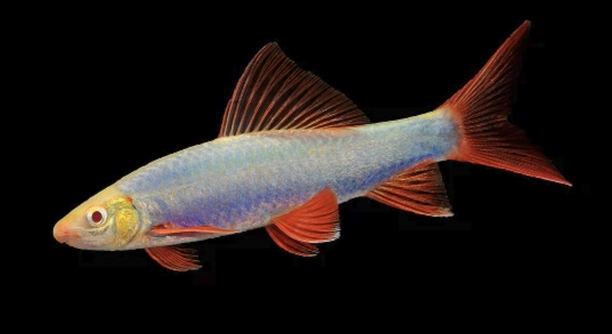
Is your rainbow shark spending more time near the water surface or behaving differently than usual in your aquarium? These signs could point to low oxygen levels that need your attention right away.
The most effective way to ensure your rainbow shark has enough oxygen is by maintaining proper water circulation and using an air pump. These tools help distribute oxygen evenly throughout the tank, supporting your fish’s respiratory needs.
Learning how to keep oxygen levels stable will help your rainbow shark stay healthy and active in its environment.
Use an Air Pump to Boost Oxygen
Adding an air pump is one of the easiest ways to improve oxygen in your tank. It pushes air into the water, helping it move around more and increasing the surface area where gas exchange happens. Rainbow sharks come from rivers with flowing water, so they naturally do better in well-aerated tanks. An air pump also creates bubbles and movement, which can help break the surface tension and make it easier for oxygen to enter the water. You don’t need an expensive model—a basic one will often do the job well. Just make sure it matches the size of your aquarium. Also, avoid placing decorations in ways that block the bubbles or airflow. Once you set it up, you should notice your rainbow shark acting more active and less stressed. Proper aeration can make a noticeable difference in your tank’s health.
Keep the pump running consistently to avoid sudden drops in oxygen.
A steady stream of bubbles helps your fish breathe easier and keeps the tank from becoming too still. It also reduces the chance of harmful gases building up.
Maintain Proper Water Temperature
Warm water holds less oxygen than cooler water, which can create problems for your rainbow shark if your tank gets too hot. The ideal temperature for rainbow sharks is between 75°F and 80°F. If the water gets much warmer than that, oxygen levels can drop quickly, making it harder for your fish to breathe. Even if your tank looks fine, your shark may become sluggish or start gasping near the surface if it’s not getting enough oxygen. Using a reliable aquarium thermometer helps you keep track of the temperature, while a fan or chiller can prevent overheating during warmer months. Avoid placing your tank near windows, radiators, or heat sources that could raise the temperature. If you do see signs of overheating, reduce feeding slightly and increase water movement until things return to normal. Consistent temperature checks will help prevent stress and support your shark’s long-term health.
Clean Your Filter Regularly
A dirty filter can block water flow and reduce oxygen levels in the tank. Over time, debris builds up and slows circulation, making it harder for oxygen to move through the water. Regular cleaning helps your filter work better and keeps your rainbow shark more comfortable.
Rinse filter sponges and cartridges in old tank water during water changes to avoid killing helpful bacteria. Cleaning too thoroughly or using tap water can remove beneficial microbes that support water quality. Aim to check the filter every two weeks, especially if your tank gets cloudy or the water flow weakens. Don’t let waste pile up in the filter system, as this can cause poor oxygen exchange. If your filter is very old or noisy, it might need replacing. Strong, steady filtration helps keep the water cleaner, which makes oxygen more available. It’s a small task that can make a big difference.
Pay attention to how your filter sounds and flows after cleaning. A quiet hum and gentle movement across the surface usually mean it’s doing its job. Filters that sputter or seem too weak may need new parts or a deeper clean. Keeping this system in good shape helps your tank run smoothly and supports your rainbow shark’s well-being.
Add Live Plants to the Aquarium
Live plants help produce oxygen during the day, which can improve your tank’s environment. They also absorb carbon dioxide and other waste, making the water cleaner and healthier. Choose easy-care plants like java fern, anubias, or hornwort for a low-maintenance setup.
Make sure your tank gets enough light so the plants can thrive and support oxygen production. A basic aquarium light with a timer set for 8–10 hours a day works well. Don’t overcrowd the tank—leave space for your rainbow shark to swim. Plants not only help with oxygen, but they also reduce stress by giving your fish places to explore and hide. Avoid using too many plastic decorations that can block light or compete with space for plants. If a plant starts to rot or fall apart, remove it to keep the water clean. Healthy live plants make the tank more stable and support better oxygen levels.
Avoid Overcrowding the Tank
Too many fish in one tank can lower oxygen levels quickly. Each fish uses oxygen and produces waste, which makes it harder for the water to stay clean and balanced. Rainbow sharks also need space to swim freely without stress.
Keep your tank stocked lightly and avoid mixing aggressive species with your rainbow shark. A 30-gallon tank is the minimum for one adult shark. Adding more fish than your filter and tank can handle puts extra pressure on oxygen levels and water quality. Fewer fish usually means healthier fish and fewer problems.
Perform Regular Water Changes
Changing 20–30% of the tank water once a week helps keep oxygen levels steady and the water clean. Fresh water adds oxygen, removes waste, and reduces buildup of harmful compounds like ammonia and nitrite. Be sure to treat tap water with a conditioner to make it safe for your rainbow shark. Slow, gentle pouring helps avoid stress and keeps the oxygen steady during the change.
Limit Algae Growth
Too much algae can reduce oxygen in the water, especially at night when algae use oxygen instead of producing it. Keep algae under control with regular cleaning and by avoiding excess light.
FAQ
How do I know if my rainbow shark isn’t getting enough oxygen?
One of the most common signs is if your rainbow shark spends a lot of time near the water surface, especially around the filter output or air stone. You might also notice rapid gill movement, sluggish swimming, or general lack of energy. If your shark used to be active and suddenly seems still or uninterested in food, that could be another sign. These changes often mean that oxygen levels in the tank are too low. If the water looks cloudy or smells strange, it’s another clue that something’s off and action is needed.
What is the ideal oxygen level for rainbow sharks?
Rainbow sharks do best in water with stable oxygen levels, generally above 5 mg/L. You can measure this using a dissolved oxygen test kit, which is available at most pet stores. Even if you don’t test often, keeping water clean, using an air pump, and making sure there’s good surface movement will help maintain safe levels. If oxygen drops too low, it can lead to long-term stress, illness, or even death. So while you might not check oxygen every day, good care routines make a big difference.
Do rainbow sharks need an air stone or is a filter enough?
In some tanks, a strong filter may be enough to keep oxygen levels stable, especially if it creates a lot of surface movement. But in most cases, adding an air stone gives extra support, especially during warmer months or if your tank is fully stocked. Air stones are cheap, easy to use, and help increase circulation. They don’t just help your rainbow shark—they also benefit your whole tank environment. If your filter is gentle or the surface stays still, it’s a good idea to add one.
Can plants replace the need for an air pump?
Plants do produce oxygen, but only during the day when the lights are on. At night, they actually take in oxygen and release carbon dioxide. So while plants help improve the tank’s overall health, they shouldn’t be your only source of oxygen. Combining plants with an air pump or proper filtration gives you the best results. Some tanks with a lot of plants and low fish numbers can manage without extra equipment, but it’s still safer to have a backup source like an air stone.
Why does water temperature affect oxygen levels?
Warm water holds less oxygen than cool water. So when your tank heats up, especially in summer, the oxygen can drop quickly. That’s why it’s important to keep the temperature in the right range for rainbow sharks—between 75°F and 80°F. If it gets too warm, your fish may start gasping near the surface. Adding a fan or reducing light exposure can help keep the tank cooler. It’s also good to check the temperature daily if your tank is in a sunny or warm room.
Can overfeeding lower oxygen levels?
Yes, overfeeding can lead to leftover food and waste in the tank. As this extra material breaks down, it uses up oxygen and produces harmful compounds like ammonia. Over time, this can make the water harder to breathe in. Feed your rainbow shark only what it can eat in a couple of minutes, once or twice a day. Remove any uneaten food to keep the water cleaner. Smaller meals and regular tank maintenance help keep oxygen levels more stable.
Should I worry about oxygen levels at night?
Yes, it’s something to think about, especially if your tank has a lot of plants or algae. At night, photosynthesis stops, and everything in the tank—including plants—starts using oxygen. If you already have low oxygen levels, this can cause problems overnight. Running an air pump 24/7 helps avoid this issue. Some people turn off air pumps at night for noise reasons, but if oxygen is already borderline, it’s better to leave it on. It’s a simple step that gives peace of mind.
How can I test oxygen levels without a kit?
While a test kit gives the most accurate results, you can still watch your rainbow shark’s behavior for clues. If your fish seems tired, stays near the surface, or shows fast gill movement, these are signs the oxygen is low. You can also observe how other fish and tank animals behave. If everyone looks stressed or acts differently than usual, it’s smart to increase water movement or do a partial water change. Simple habits like keeping your filter clean and avoiding overcrowding go a long way.
Final Thoughts
Making sure your rainbow shark has enough oxygen is one of the most important parts of keeping it healthy. It may seem like a small detail, but oxygen plays a big role in your shark’s daily comfort and energy. If your tank doesn’t have good circulation or clean water, oxygen levels can drop quickly, especially if the tank is too warm, crowded, or filled with waste. Taking time to check your equipment, add an air pump if needed, and watch your shark’s behavior will help you catch issues early. A calm and active rainbow shark is often a sign that everything is going well in the tank.
Good tank habits don’t have to be difficult or time-consuming. Small things like cleaning the filter, doing weekly water changes, and trimming overgrown plants make a difference. These steps not only improve oxygen but also help with overall water quality. Adding live plants, avoiding overfeeding, and choosing the right number of fish will also support better oxygen levels. It’s not about making big changes all at once. Instead, it’s about building simple routines that keep your aquarium balanced. When the water is clean and the oxygen is stable, your rainbow shark will likely be more active, colorful, and relaxed.
There’s no one-size-fits-all solution, since each tank is different. Some setups might need more equipment, while others can do well with just a strong filter and a few plants. What matters most is staying consistent and paying attention to the small signs your shark gives you. If something seems off, checking oxygen and water flow should be one of your first steps. Even with the best setup, problems can still happen from time to time. But having the right tools, knowledge, and habits in place makes it easier to respond and keep your tank safe. With steady care and a little observation, your rainbow shark can live a full and healthy life in a well-oxygenated home.

Hello,
If you enjoy the content that we create, please consider saying a "Thank You!" by leaving a tip.
Every little bit helps us continue crafting quality advice that supports the health, happiness, and well-being of pets around the world, for pets of all shapes, sizes, and species.
We really appreciate the kindness and support that you show us!