
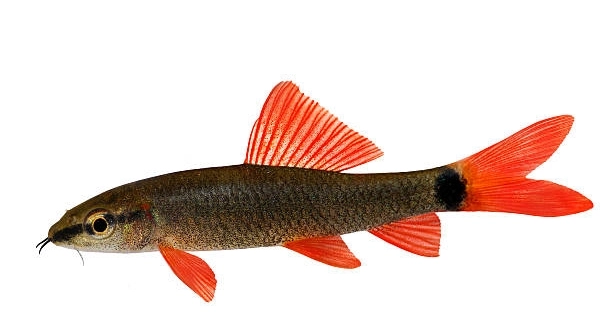
Many aquarium owners enjoy keeping rainbow sharks for their vibrant colors and active behavior. However, these fish need enough space to thrive and stay healthy in a home tank. Without proper room, they can show signs of stress or discomfort.
Rainbow sharks require ample swimming space to maintain their physical health and natural behavior. Inadequate tank size can lead to stunted growth, increased aggression, and weakened immune response, all of which indicate insufficient living conditions for the fish.
Recognizing these signs early helps ensure your rainbow shark remains happy and healthy in its environment. Proper tank space is key to their well-being and longevity.
Signs of Aggression and Territorial Behavior
Rainbow sharks naturally establish territories, but when their tank is too small, this behavior intensifies. You might notice your fish chasing or nipping at others more frequently. This aggression often leads to stress for all the fish in the aquarium. In a cramped space, they have nowhere to escape or hide, which makes conflicts worse. The dominant fish might become overly aggressive, causing injury or exhaustion to the others. If your rainbow shark shows constant territorial fights or stress marks like torn fins, it could mean the tank size is insufficient. Creating a calmer environment usually means giving your fish more room to swim and avoid confrontations. Proper space allows natural behavior without constant conflict, improving the overall health of your aquatic community.
This aggression is a clear sign your rainbow shark needs a larger tank or more hiding spots to feel secure.
Providing enough space can reduce stress and make all the fish in your tank more peaceful and healthy.
Changes in Physical Appearance and Health
When rainbow sharks lack enough room, their physical health often declines. One common sign is stunted growth—if your fish remains small despite proper feeding, the tank size might be the cause. Crowded conditions can also weaken their immune systems, making them more prone to disease. You might notice dull colors, frayed fins, or slow movement. These symptoms show your fish is struggling to cope with the environment. Proper space is essential for swimming and exercise, which supports healthy growth and vibrant coloration. Additionally, poor water quality caused by overcrowding worsens health problems, as waste builds up quickly in small tanks. Maintaining a clean, adequately sized tank helps keep your rainbow shark strong and energetic.
Ensuring enough space and good water conditions is key to preventing health decline and helping your fish thrive over time.
Restlessness and Constant Movement
Rainbow sharks become restless when their space is limited. You may see them swimming nonstop or pacing back and forth along tank edges. This behavior signals frustration or stress due to inadequate room.
This constant movement wastes energy and can tire the fish quickly. Without enough space to explore freely, they become anxious and may develop abnormal swimming patterns. Over time, restlessness can weaken their immune system and reduce their overall lifespan. A larger tank allows your rainbow shark to swim naturally and reduces stress, improving both behavior and health.
Creating areas with decorations or plants gives them places to explore and hide, helping reduce constant swimming and promoting a calmer environment.
Loss of Appetite and Weight
A rainbow shark that lacks space often loses interest in food. Stress and competition for territory cause appetite loss, leading to weight decline. This is a common sign that the environment isn’t suitable.
When a fish is cramped, it may avoid eating due to stress or fear from other tank mates. Limited swimming space can also reduce its motivation to feed actively. Weight loss weakens the fish and makes it more vulnerable to diseases. If you notice your rainbow shark losing weight or refusing food, consider whether its tank size supports healthy behavior.
Increasing tank size and improving hiding spots often restore appetite and encourage normal feeding. Monitoring water quality and feeding routines also helps the fish regain strength and thrive again.
Hiding More Than Usual
If your rainbow shark hides more than normal, it might feel unsafe due to lack of space. Crowded tanks leave little room for retreat, increasing stress.
When fish cannot find quiet spots, they often stay hidden to avoid aggression. This behavior shows discomfort and a need for better living conditions.
Unusual Swimming Patterns
Erratic swimming, such as darting around or staying at the surface, often points to tank size issues. Limited space restricts natural movement and causes frustration. This stress can lead to abnormal behavior and lower overall health.
Ensuring your rainbow shark has enough room to swim smoothly helps restore normal, calm movement and improves its quality of life.
Frequent Gasping at the Surface
Rainbow sharks gasping at the water surface can signal poor oxygen levels caused by overcrowding. Insufficient space often results in lower water quality, stressing the fish.
Addressing tank size and improving water circulation can relieve this issue and support your fish’s well-being.
How much space does a rainbow shark need?
Rainbow sharks need at least a 30-gallon tank to thrive. This size provides enough swimming room and helps reduce territorial behavior. Smaller tanks often cause stress and aggressive behavior because the fish cannot establish a proper territory or escape from other fish. Larger tanks allow for better water quality and more stable conditions, both essential for their health. If you plan to keep more than one rainbow shark, increase the tank size accordingly to prevent overcrowding and aggression.
Can a rainbow shark live in a community tank?
Yes, rainbow sharks can live with other peaceful fish if the tank is large enough. They need plenty of space to swim and hide to avoid conflicts. Avoid housing them with aggressive or slow-moving species, as rainbow sharks can become territorial and chase smaller fish. Providing plants, decorations, and hiding spots helps reduce stress and aggression. Keeping the tank clean and monitoring water quality also supports a healthy community environment.
What are the signs that a rainbow shark is stressed?
Signs of stress include excessive hiding, loss of appetite, aggressive behavior, rapid breathing, and unusual swimming patterns like darting or swimming near the surface. Stress can also cause faded colors and fin damage. These behaviors often indicate that the tank environment is not suitable, especially if the tank is too small or overcrowded. Addressing space, water quality, and tank mates usually helps reduce stress.
How can I improve my rainbow shark’s environment if the tank is small?
If you cannot increase the tank size immediately, adding plenty of hiding spots like caves, plants, and decorations can help your fish feel safer. Regular water changes and proper filtration improve water quality, which reduces stress. Reducing the number of fish in the tank can also help by lowering competition for space. However, upgrading to a larger tank is the best long-term solution.
What water conditions are best for rainbow sharks?
Rainbow sharks prefer clean, well-filtered water with a temperature between 72-79°F (22-26°C). The pH should be neutral to slightly acidic, around 6.5 to 7.5. Regular water changes and maintaining good filtration keep ammonia, nitrite, and nitrate levels low. Overcrowding increases waste, so proper tank size and maintenance are essential for healthy water conditions.
How often should I clean the tank to keep my rainbow shark healthy?
Perform partial water changes of 20-30% weekly to keep water clean and healthy. Regularly clean the substrate to remove leftover food and waste, which can pollute the tank. Check filters monthly to ensure they work properly and replace filter media as needed. Keeping the tank clean reduces stress and prevents diseases, supporting your rainbow shark’s well-being.
Can a rainbow shark grow too big for its tank?
Yes, rainbow sharks can grow up to 6 inches long. Small tanks restrict their growth and cause stress, leading to health problems. Providing enough space allows them to reach their full size naturally. If your tank is too small, the fish may remain stunted or develop illnesses due to poor conditions.
What should I do if my rainbow shark shows signs of illness?
First, test the water quality to ensure it is within the proper range. Poor water conditions are a common cause of illness. If water parameters are fine, isolate the fish if possible to prevent spreading disease. Consult a vet or experienced aquarist for advice on treatment. Improving tank conditions, including space and cleanliness, often helps recovery.
Are rainbow sharks aggressive by nature?
Rainbow sharks have territorial tendencies, especially in small tanks. They may chase other fish or fight when space is limited. In a properly sized tank with hiding places, they tend to be less aggressive and more peaceful. Careful choice of tank mates and a spacious environment reduce aggression significantly.
Is feeding behavior affected by tank size?
Yes, a cramped tank can stress rainbow sharks and reduce their appetite. Stress causes fish to eat less, leading to weight loss and weakened immune systems. A larger tank encourages natural behavior, including regular feeding. Feeding a balanced diet and maintaining good water quality also support healthy eating habits.
Making sure your rainbow shark has enough space is very important for its health and happiness. When the tank is too small, the fish can become stressed, aggressive, or even sick. Giving your rainbow shark plenty of room helps it swim freely, behave naturally, and grow properly. Space also helps reduce fighting with other fish and keeps the water cleaner and healthier. Watching your fish’s behavior and appearance can help you know when it might need more space.
Proper tank size is not just about the fish’s comfort but also about its well-being. A larger tank supports better water quality by allowing waste to dilute and be filtered more effectively. This reduces the chance of disease and helps the rainbow shark stay strong. It also lets your fish explore and find hiding places, which reduces stress. Stress is one of the main reasons fish lose color, stop eating, or swim oddly. When you see these signs, it usually means the tank isn’t big enough or the environment needs improvement.
In the end, providing a spacious tank is one of the easiest ways to care for your rainbow shark well. It helps the fish live a longer, healthier life with fewer problems. If you notice any signs of stress or poor health, check if your tank meets the size needs and conditions described earlier. Making changes like upgrading the tank or adding hiding spots can make a big difference. Keeping your rainbow shark comfortable is key to enjoying its bright colors and lively personality for years to come.

Hello,
If you enjoy the content that we create, please consider saying a "Thank You!" by leaving a tip.
Every little bit helps us continue crafting quality advice that supports the health, happiness, and well-being of pets around the world, for pets of all shapes, sizes, and species.
We really appreciate the kindness and support that you show us!