
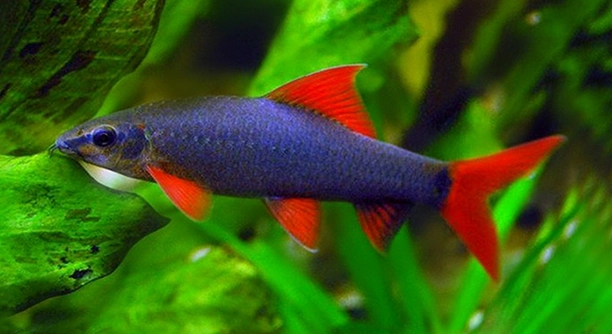
Many people enjoy keeping rainbow sharks as part of their home aquariums. These fish can be beautiful and active, but they sometimes show signs of stress or anxiety. Knowing how to spot these signs helps keep them healthy and comfortable.
Rainbow sharks may feel anxious due to changes in their environment, overcrowding, poor water quality, or lack of hiding spots. Signs include erratic swimming, hiding frequently, loss of appetite, color fading, and increased aggression toward other fish.
Recognizing these behaviors early is important for maintaining a peaceful tank. This guide will help you understand what your rainbow shark might be feeling.
Erratic Swimming Patterns
When a rainbow shark feels anxious, one of the first things you might notice is erratic swimming. Instead of gliding smoothly, the fish may dart quickly or swim in circles without a clear direction. This behavior shows that the fish is stressed and trying to find a way out or escape from something it finds uncomfortable. Changes in water temperature, sudden noises, or new tankmates can trigger this. If your rainbow shark keeps bumping into objects or stays near the surface more than usual, these are signs it may be anxious. Watching how it moves daily helps you catch problems early. Adjusting the environment gently can make a big difference in calming the fish.
Erratic swimming often signals distress and should not be ignored. Immediate changes in behavior require a closer look at the tank setup and water quality.
By providing a calm and stable environment, your rainbow shark will swim more naturally. Removing sudden stressors or rearranging decorations can reduce anxious movements and restore peace in the tank.
Excessive Hiding
When rainbow sharks feel uneasy, they tend to hide more than usual. They might stay behind decorations, plants, or in dark corners for long periods. Hiding is a natural response to stress and helps the fish feel safer. However, if the hiding becomes constant, it may mean the fish is overwhelmed or uncomfortable in its tank. Overcrowding, aggressive tankmates, or poor water conditions often cause this. A shy fish can seem healthy but may suffer if anxiety lasts too long. Giving your rainbow shark enough space and proper hiding spots can help. Also, keep an eye on other fish that may be bullying it.
To help an anxious fish, create calm zones and reduce disturbances near its hiding places.
A balanced tank setup with peaceful companions encourages your rainbow shark to explore again. Make sure the tank is clean and the water parameters are stable. Adding gentle lighting and plenty of plants or caves provides comfort. Over time, the fish will feel secure enough to spend more time swimming openly rather than hiding.
Loss of Appetite
When a rainbow shark feels anxious, it often eats less or stops eating altogether. This is a clear sign that something is wrong in its environment.
A healthy appetite is important for the fish’s growth and energy. If your rainbow shark suddenly ignores food, it could be stressed by changes in water quality, temperature, or tankmates. Poor water conditions, especially high ammonia or nitrate levels, can make fish feel sick and reduce their interest in eating. Sometimes, new fish or frequent disturbances cause anxiety, leading to loss of appetite. Watching feeding habits daily helps you catch problems early.
To help your rainbow shark regain its appetite, make sure the tank is clean and stable. Feed it high-quality food and remove aggressive tankmates. If the fish continues to refuse food, testing water parameters or consulting an expert may be necessary to avoid further health issues.
Color Fading
A rainbow shark showing dull or faded colors may be anxious or stressed. This change happens when the fish loses its natural vibrancy.
Stress reduces the fish’s ability to maintain bright colors because it affects overall health and immune function. Factors such as poor water quality, overcrowding, or lack of proper nutrition can cause color fading. Additionally, sudden changes in light or temperature can shock the fish, leading to a less vibrant appearance. Healthy rainbow sharks usually have strong, deep colors that shine in a well-maintained tank.
Keeping water clean and providing a balanced diet rich in nutrients helps restore the fish’s color. Reducing stress by minimizing tank disturbances and offering enough space encourages the rainbow shark to regain its bright, lively colors over time. Regular monitoring of the tank environment supports this recovery.
Increased Aggression
When rainbow sharks feel anxious, they may become more aggressive toward other fish. This behavior helps them protect their space but can cause stress in the tank.
Aggression may show as chasing, nipping, or guarding territory.
Rapid Gill Movement
Rapid gill movement is a sign your rainbow shark is stressed or anxious. It may be trying to get more oxygen because it feels unsafe or uncomfortable. Poor water quality or low oxygen levels often cause this reaction.
Watching for quick or heavy breathing can help identify anxiety early.
Clamped Fins
Clamped fins happen when the fish holds its fins close to its body. This is a common sign of discomfort or stress in rainbow sharks.
It shows the fish is not feeling well or is anxious about its surroundings.
How can I tell if my rainbow shark is anxious or just resting?
Rainbow sharks often rest by staying still near the bottom or inside hiding spots with relaxed fins and calm breathing. Anxiety is different—it usually shows as unusual behaviors like darting around, hiding excessively, or refusing food. If your fish is resting quietly and returns to normal activity afterward, it’s likely just resting. But if you see signs like clamped fins, rapid gill movement, or erratic swimming, anxiety might be the cause.
What causes anxiety in rainbow sharks?
Several factors can stress rainbow sharks. Sudden changes in water temperature or quality are common triggers. Overcrowded tanks or aggressive tankmates can also make them anxious. Lack of hiding places leaves them feeling exposed, which adds to stress. Noise and sudden movements outside the tank may disturb them, too. Maintaining stable conditions and providing enough space reduces anxiety significantly.
Can water quality affect my rainbow shark’s mood?
Yes, poor water quality directly impacts their well-being. High ammonia, nitrite, or nitrate levels cause stress and illness. Low oxygen levels make breathing difficult, leading to rapid gill movement. Regular water testing and timely changes are essential to keep the tank healthy and your fish calm.
How often should I check on my rainbow shark’s behavior?
Daily observation is best. Even a quick glance helps you notice changes early. Small shifts in swimming, appetite, or appearance can signal anxiety or health problems. Tracking these signs regularly helps you act quickly to fix any issues.
Will changing tank decorations help reduce anxiety?
Sometimes rearranging the tank helps. Adding plants, caves, or tunnels provides hiding spots and safe areas. These reduce stress by letting the fish feel secure. Avoid sudden or frequent changes, though, as that can increase anxiety instead.
Is it normal for rainbow sharks to be aggressive?
Rainbow sharks are naturally territorial and may show aggression, especially when anxious. Overcrowding or mixing incompatible species raises tension. Providing enough space and peaceful companions lowers aggressive behavior.
What foods are best to encourage eating in an anxious rainbow shark?
High-quality sinking pellets or flakes designed for omnivores work well. Supplement with occasional treats like bloodworms or brine shrimp to stimulate appetite. Feeding small amounts multiple times a day can also help when the fish is stressed.
Can anxiety cause illness in rainbow sharks?
Yes, prolonged stress weakens the immune system, making them prone to infections and diseases. Addressing anxiety early prevents health issues and supports faster recovery.
Should I separate an anxious rainbow shark from other fish?
If aggression or bullying is severe, temporary separation might be necessary. A quarantine or hospital tank can help the fish recover. Always try to improve the main tank’s environment first to avoid long-term separation.
How do I create a calm environment for my rainbow shark?
Keep the tank clean and stable with regular water changes. Use soft lighting and limit loud noises around the tank. Provide enough hiding spots and avoid overcrowding. Minimizing sudden changes helps your fish feel safe and relaxed.
Can tankmates affect my rainbow shark’s anxiety?
Yes, some fish are more aggressive or active, which can stress your rainbow shark. Choose peaceful species that share similar water requirements. Watching how fish interact helps identify any stressful relationships.
Is temperature important for reducing anxiety?
Maintaining the proper temperature range, usually between 72–79°F (22–26°C), is crucial. Sudden fluctuations or extremes can cause stress. Use a reliable heater and thermometer to keep conditions steady.
What signs mean I should consult a vet or expert?
If your rainbow shark shows persistent loss of appetite, extreme lethargy, visible wounds, or unusual behaviors despite improving tank conditions, it’s time to seek professional advice. Early intervention can save your fish’s life.
How long does it take for a rainbow shark to recover from anxiety?
Recovery varies but often takes days to weeks after improving conditions. Consistency in water quality, diet, and environment is key. Patience and observation help ensure your fish returns to normal behavior.
Can anxiety cause changes in my rainbow shark’s color permanently?
Usually, color fading due to anxiety is temporary. Once stress is reduced, vibrant colors typically return. However, long-term poor care or illness might cause lasting changes.
Are there any natural ways to calm an anxious rainbow shark?
Adding live plants and gentle water flow can create a soothing environment. Using natural decorations mimics their habitat and provides comfort. Avoid overcrowding and keep tank maintenance gentle and routine.
How important is tank size for my rainbow shark’s anxiety?
A tank too small increases stress and aggression. Rainbow sharks need at least a 30-gallon tank to swim freely and establish territory. Bigger tanks with proper filtration support better health and reduce anxiety.
Taking good care of a rainbow shark means paying close attention to how it behaves. These fish can get anxious just like other pets. When they show signs like hiding too much, swimming erratically, or losing their appetite, it is important to notice these changes quickly. Anxiety in fish often comes from problems in their environment, such as poor water quality, overcrowding, or sudden changes in their tank. Fixing these problems can help your rainbow shark feel more comfortable and healthy again.
Keeping the tank clean and stable is one of the best ways to prevent anxiety. Regular water changes and testing water quality help keep harmful chemicals low. Also, make sure the tank is large enough for your fish to swim freely and has enough hiding places. Plants, caves, or decorations where your rainbow shark can retreat make a big difference. Avoid loud noises or sudden movements near the tank, as these can startle your fish and cause stress. When you create a calm and safe home, your rainbow shark is more likely to show its true colors and behave normally.
Remember that your rainbow shark’s health depends on many factors working together. Feeding a balanced diet, choosing peaceful tankmates, and maintaining a consistent temperature all play important roles. Watching your fish every day helps catch small problems before they get worse. If anxiety signs last for a long time or your fish shows signs of illness, getting advice from a vet or fish expert is a good idea. With patience and care, your rainbow shark can live a happy and healthy life in your aquarium.

Hello,
If you enjoy the content that we create, please consider saying a "Thank You!" by leaving a tip.
Every little bit helps us continue crafting quality advice that supports the health, happiness, and well-being of pets around the world, for pets of all shapes, sizes, and species.
We really appreciate the kindness and support that you show us!